


Environmental & Energy,
Administrative/Regulatory
Feb. 17, 2026
H.R. 3699 is an assault on local power, safety and affordability
H.R. 3699 would broadly block state and local governments from most forms of energy regulation --potentially disrupting electrification efforts, safety rules, wildfire protections and utility cost oversight.



Daniel Carpenter-Gold
Staff Attorney
Public Health Law Center
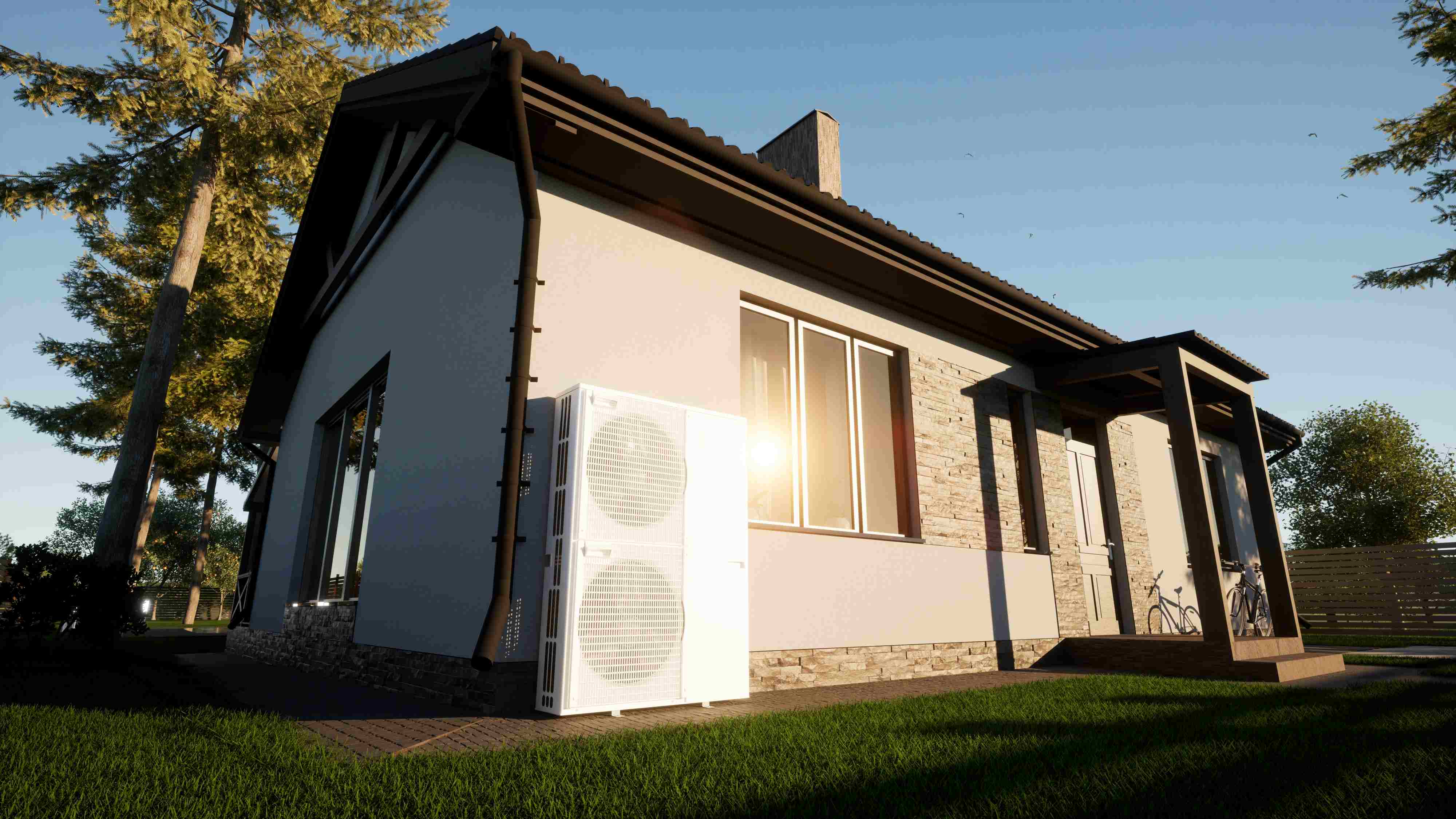
Art: [DC1] https://www.shutterstock.com/image-photo/heat-pump-airwater-technology-home-splittype-2318255183?trackingId=3e0bc8d4-7733-4051-9473-1889abc21f6b&listId=highlights-suggestedSearches
Headline: H.R. 3699 is an assault on local power, safety
and affordability
NETHEAD: H.R. 3699 is an assault on local power, safety
and affordability
SUMMARY/TEASE: H.R. 3699 would broadly block state and
local governments from most forms of energy regulation[DC2] --potentially
disrupting electrification efforts, safety rules, wildfire protections and
utility cost oversight.
BYLINE: Daniel Carpenter-Gold
In California and across the country, state and local
governments are leading an effort to upgrade buildings to use modern electric
appliances. These appliances, including heat pumps and induction stoves, are
both cheaper and healthier than their older counterparts: they are more
efficient, reducing household energy costs and the need for new grid
infrastructure, and they virtually eliminate on-site emissions of harmful air
pollutants. Government action to encourage or require these upgrades is crucial
because future homebuyers and renters have to live
with the decisions made when the building is originally built or renovated--and
no one gets to choose their neighbors' appliances.
The U.S. House of Representatives is considering a bill,
H.R. 3699, that would block these commonsense regulations. But that's not all:
the bill would also eliminate state and local authority in the areas of safety
and affordability and leave communities unable to block or even slow
experimental fuels, like hydrogen. Although titled the "Energy Choice Act" and
advertised as a response to all-electric building codes, H.R. 3699 is in fact
an attack on the power of state and local governments to serve their constituents.
Specifically, H.R. 3699 blocks adoption or enforcement of
any state or local regulation "that prohibits or limits, or
has the effect of directly or indirectly prohibiting or limiting the
connection, reconnection, modification, installation, transportation,
distribution, expansion, or access to an energy service based on the type or
source of energy." In other words, any regulation that reduces the availability
of any specific type of energy--even if it only does so indirectly or
unintentionally--would be preempted. (While this collateral damage may be
unintentional, amendments to narrow it were rejected in committee.)
This drastic approach threatens basic energy, health and
safety regulations. For example, essentially all building-safety codes in
California come from state law or from local amendments to state codes. Many of
these arguably "limit[] the connection[ or]
reconnection" of certain types of energy by penalizing or prohibiting unsafe
gas infrastructure or improper connections to the electric grid--and if they
didn't, they would be no better than guidelines. Similarly, the state's Public Safety
Power Shutoff system relies on cutting off electricity to some homes during
high-risk periods, to prevent wildfires being sparked by utility
infrastructure. Those shutoffs clearly "limit[]...access"
to electricity and therefore would be prohibited by H.R. 3699.
H.R. 3699 could also cut off the state's ability to keep
gas and electricity prices low, at a time when many Californians are already
struggling to pay their utility bills. Because utilities earn a guaranteed
return on infrastructure investments, and have essentially no competition, they
are incentivized to expand their infrastructure as much as possible and pass
costs on to the ratepayers. The state Public Utility Commission can block
utilities from recovering the costs of unnecessary investments, which is the
primary check on utilities' profit motive. But such an action could
"indirectly...limit[] the...expansion" of the energy the
utility provides, meaning that it would be blocked by H.R. 3699.
Even if the bill were limited to only "blanket"
prohibitions on specific fuels, as its supporters claim, it would still be a
major health and safety risk for Californians. Our state suffers from the worst
air pollution in the country--the result of burning fossil fuels, in combination
with specific geographic and climatic factors. Reducing the contaminants in our
air to a safe level has been a generational effort, and transitioning away from
fossil fuels in residential use has been crucial to improving air quality.
Fresno, for example, has prohibited coal stoves and heaters for decades, and
several air districts have put in place pollution limits that could not be
satisfied with continued residential coal use. Under H.R. 3699, limits on
future, less well tested fuels like hydrogen would also vanish: even under the
rosiest reading of the bill, neither California nor any city or county within
it would be able to decide whether to allow hydrogen to be used, processed or
transported.
And while these unspoken impacts are important, the stated
purpose of H.R. 3699--preventing state and local governments from passing laws
that would prevent new gas installations within their jurisdiction--is also
hostile to Californians. There are sound reasons behind prohibiting the
expansion of gas to new buildings: gas infrastructure is expensive and
effectively duplicative of the electric connections
buildings have already, gas appliances are unavoidably less efficient than
modern electric appliances and the air pollution created by burning gas is a
public-health hazard for all. These public health and energy affordability
considerations are compounded by the imperative to avoid catastrophic climate
change.
State and local governments are best positioned to decide
when and how to place limits on gas fuel in residential buildings and have long
had the authority to do so. To that end, I'll end with a quote from Mayor Mike
Cahill of Beverly, Massachusetts: "Local governments are responsible for
keeping our residents safe. The Energy Choice Act would only make that
work harder, replacing our authority and on-the-ground knowledge with a
one-size-fits-all federal mandate. We need partnership from Washington, not interference
in the basic powers that protect our communities."
Daniel Carpenter-Gold is staff attorney at the Public
Health Law Center.
Art:
Headline: Gov. Newsom will probably go to the appellate
bench for the next SCOCA justice
NETHEAD: Gov. Newsom will probably go to the appellate
bench for the next SCOCA justice
SUMMARY/TEASE: Governor Gavin Newsom is almost certain to
fill the California Supreme Court vacancy with a safe, experienced Court of
Appeal justice--one who works quietly, avoids controversy and won't disrupt his
political future.
BYLINE: David A. Carrillo, Stephen M. Duvernay and Brandon
V. Stracener
Submit your own column for publication to Diana Bosetti
For reprint rights or to order a copy of your photo:
Email
Jeremy_Ellis@dailyjournal.com
for prices.
Direct dial: 213-229-5424
Send a letter to the editor:
Email: letters@dailyjournal.com