


Technology
Dec. 4, 2025
Reasons for AI errors don't matter, panel sanctions for not checking work
A California appeals court sanctioned attorney Fahim Farivar for submitting an inaccurate brief with AI hallmarks, stressing attorneys' responsibility for accuracy and forwarding the opinion to the State Bar.


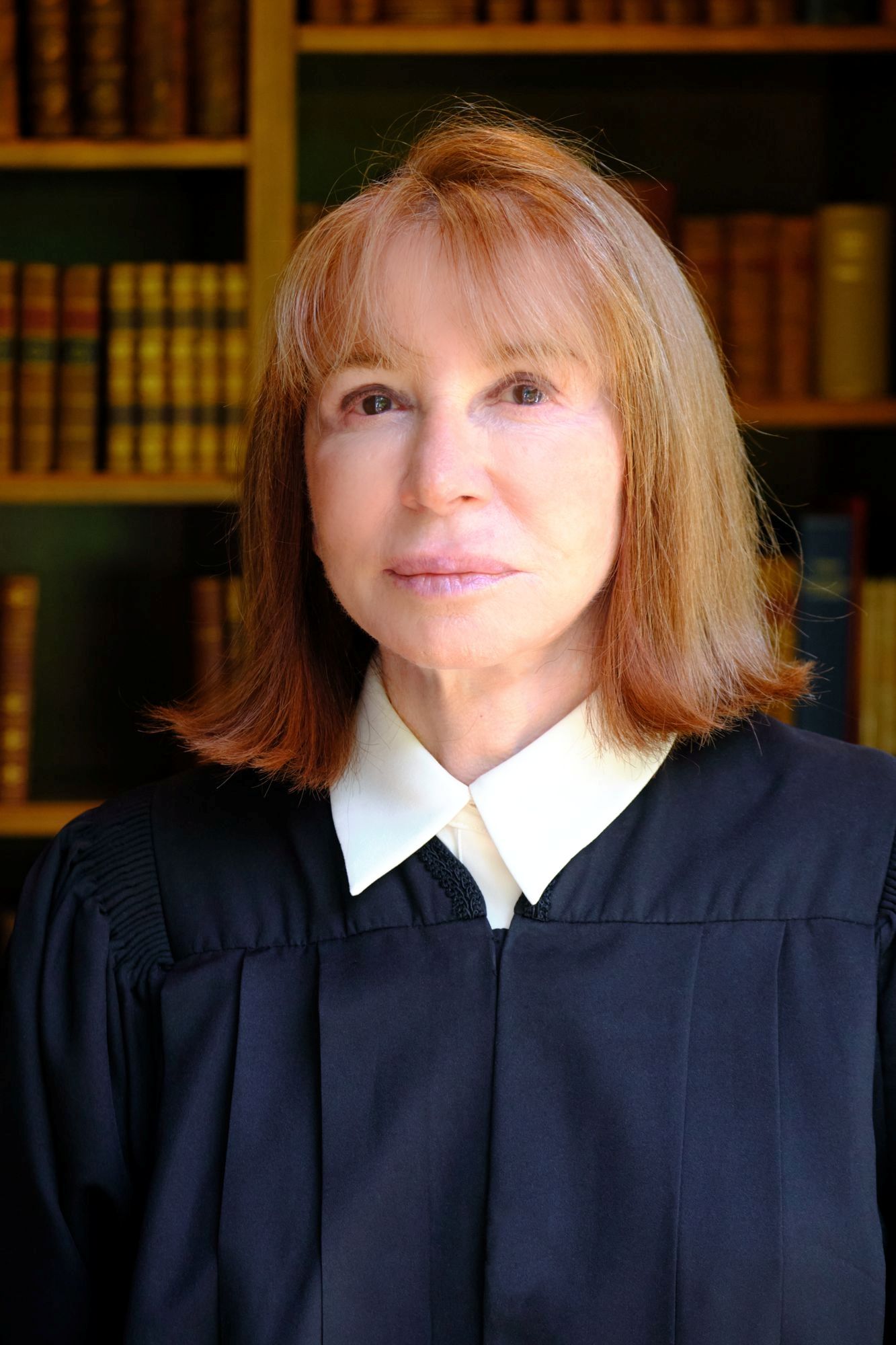
Tarzana attorney Fahim Farivar denies using artificial intelligence to write an opening brief that contained made-up quotes, but a California appellate court sanctioned him anyway, saying the reason for the errors doesn't matter.
The 2nd District Court of Appeal sanctioned Farivar in an opinion filed Monday, ordering him to pay $7,500 to the court clerk for filing the error-ridden brief, which it says shows several hallmarks of AI. The justices ordered the court clerk to send a copy of the opinion to the State Bar.
"Regardless of whether inaccuracies in a brief are the result of using artificial intelligence (AI) tools or some other drafting process, as Farivar and appellant argue occurred here, the signatory attorney is responsible for the content of the brief and subject to sanctions for inaccuracies it contains," stated the opinion, signed by Presiding Justice Frances Rothschild and Justice Helen I. Bendix and Gregory J. Weingart of Division 1. Shayan v. Shakib, B337559 (Cal. App. 2nd. Dec. 1, 2025).
Farivar said the mistakes stemmed from the process he used to draft the brief, according to the opinion. He said he used placeholders instead of exact language in the draft and that his staff forgot to replace them with the actual quotes, according to the panel.
Either way, the panel concluded, Farivar had a responsibility to check his work.
Farivar also argued that, despite the errors, his brief didn't misrepresent any of the opinions he cited. But the panel concluded that the errors could make their way into future decisions, citing September's Noland v. Land of the Free L.P., et al., B331918.
"We must consider broader concerns about the integrity of the courts and the legal profession," the opinion states. In addition to the Noland case, a handful of other attorneys have been sanctioned for inappropriate AI use.
Noland was the first instance of a California appellate court sanctioning a lawyer for using artificial intelligence. In that case, the lawyer, Amir Mostafavi, was given a $10,000 sanction. However, unlike Farivar, Mostafavi admitted to using AI.
The justices said that Farivar's refusal to take responsibility for his actions contributed to the monetary penalty, which was calculated to reflect the time the court had to spend trying to verify his citations.
Farivar did not respond to emailed questions Wednesday.
According to Jason E. Fellner, a San Francisco attorney who specializes in legal malpractice, the exact amount of the fine isn't as significant as the sanction itself.
"In my view, the monetary sanction is just a slap on the wrist at this point," Fellner said in a phone interview.
Fellner said that the courts have made it clear through a recent slew of sanctions that lawyers are only allowed to use AI if they thoroughly check their work.
Fellner said that clients are insisting their attorneys use AI to improve efficiency, which is partially to blame for the recent uptick in sanctions.
Once lawyers become acclimated to the technology, client expectations and court policies, he expects that fewer lawyers will be sanctioned for using AI improperly.
"Right now is, I expect, as bad as it will be because we're learning and growing with this evolving tool," Fellner said.
Daniel Schrager
daniel_schrager@dailyjournal.com
For reprint rights or to order a copy of your photo:
Email
Jeremy_Ellis@dailyjournal.com
for prices.
Direct dial: 213-229-5424
Send a letter to the editor:
Email: letters@dailyjournal.com