


Dec. 5, 2025
How one pro bono case catapulted one lawyer to success outside of the courtroom
Jeffrey Lenkov's unpaid representation of Pete Rose did more than challenge Major League Baseball's ban on its all-time hits leader; it forged the philosophy behind Zelms Erlich Lenkov's rapid growth and his own shift into media, sports ownership and "must-see" cultural projects.


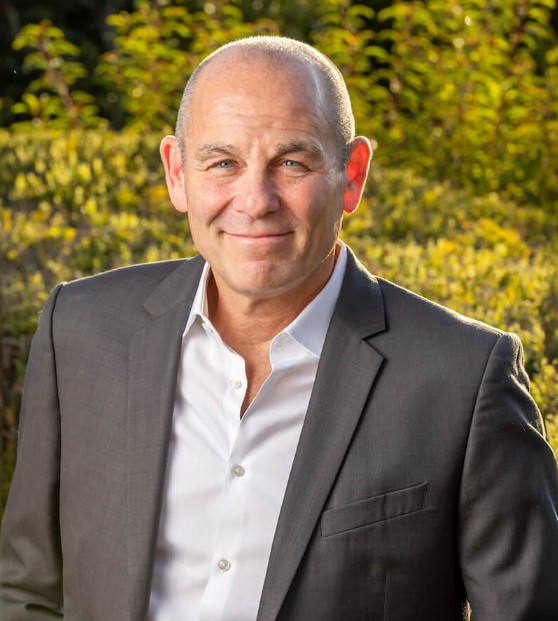
Perhaps no case better illustrates how a single pro bono matter can shape both a career and a philosophy of practice than Jeffrey Lenkov's nine-year representation of Pete Rose, Major League Baseball's all-time hits leader.
But Lenkov's career has never been confined to the courtroom. Beyond litigation, he has co-founded ventures ranging from Wolfie's Whiskey--partnering with Rod Stewart--to minority ownership of London's Leyton Orient soccer club. He also continues to develop sports and cultural media projects, including new collaborations with athletes and activists he calls "must-see television."
"When I speak to students, it's not just about being a lawyer. It's about maximizing your sense of self and your abilities," Lenkov explains. "What I try to instill in my team and firm, and what I tell every young person in interviews, is that we don't want you to only think of yourself as a lawyer."
That creative ethos now drives Zelms Erlich Lenkov (ZEL), the firm he helps lead. Formed after Rinat Erlich and Rob Zelms broke away from Manning & Kass in 2021--and joined by Lenkov in 2024--the once boutique has expanded rapidly.
What began in the aftermath of Covid has grown into a 60-lawyer operation, with 53 attorneys formally listed on its website. Offices now span California, Arizona, Texas, and New Mexico, with a recent expansion into New York and plans for potential footholds in London and Abu Dhabi.
"We wanted to focus on our own vision of how to practice law and represent clients," Zelms says. "We wanted to give our associates their own voice, with no timeline on promotions. We want all of our attorneys to have every opportunity to maximize their potential."
That philosophy extends beyond traditional partnership models. ZEL recently integrated Rosing, Pott & Strohbehn after its departure from Klinedinst, creating what Erlich describes as a "sister firm" arrangement--independent practice groups sharing resources and vision.
For Erlich and Zelms, both recognized leaders in litigation and professional liability, the model addresses a modern challenge: retaining talented lawyers in an era defined by burnout and shifting expectations. Erlich also champions minority development and advancement for women in the profession, while Zelms, based in Arizona, has built a strong record defending high-exposure litigation.
For Lenkov, that philosophy was forged long before ZEL's founding--through a case that tested his patience, principles, and commitment to pro bono work.
For nearly a decade, Lenkov represented Pete Rose pro bono as the former player sought reinstatement to baseball after his 1989 lifetime ban for gambling on games.
"I never took a fee--nine years of representation without payment," he recalls. "I felt it was an honor to represent him, but more importantly, after getting to know him, I realized he had a rough exterior but was an amazingly sweet guy underneath. I felt that I needed to be someone in his life he could count on without any quid pro quo."
Rose's ban, grounded in MLB's Rule 21(d), has persisted despite the league's embrace of gambling as part of the fan experience. The case continues to raise questions of proportionality, precedent, and the balance between institutional integrity and cultural change.
"It was rough for several years because he wouldn't listen to advice," Lenkov admits. "But once you got to know him, you realized he was very much misjudged."
Lenkov's advocacy extended into media. He produced the Emmy-nominated HBO documentary series Charlie Hustle & the Matter of Pete Rose, underscoring how lawyers can shape not just outcomes but legacy and public debate.
"Anytime you can be part of history or help effectuate change in a positive way, you've got to grab it no matter how much hard work it takes," he says. Rose will be eligible for the Hall of Fame in 2027, and Lenkov insists he will not stop until that happens.
That same commitment--to meaningful, long-term work--is the core of ZEL's culture. The firm's growth reflects not only market success but also a deliberate investment in professional fulfillment.
"We have worked so hard to get to this point that we want to explore opportunities to both grow as individuals and align with like-minded individuals," Zelms says.
The approach has earned Lenkov recognition well beyond the firm. In August, he was named Alumni of the Year by his law school, an honor he describes as deeply personal. "I wish my father was alive to see this, he always was proud that I was a lawyer," he reflects.
Lenkov continues to give back to the profession, serving as a volunteer arbitrator and mediator in the Los Angeles Superior Court Alternative Dispute Resolution Program and previously as a Judge Pro Tem. His commitment to service earned him the Wiley M. Manuel Award for pro bono legal services.
From his years representing Rose to his leadership at ZEL, Lenkov's trajectory offers a familiar lesson to an evolving profession: the most enduring legal careers are those that balance excellence with purpose--and remember that one pro bono case can reshape everything.
Douglas Saunders Sr.
douglas_saunders@dailyjournal.com
For reprint rights or to order a copy of your photo:
Email
Jeremy_Ellis@dailyjournal.com
for prices.
Direct dial: 213-229-5424
Send a letter to the editor:
Email: letters@dailyjournal.com