


Torts/Personal Injury,
Real Estate/Development
Dec. 2, 2025
Landlords can't paint over danger: Hidden black mold is a legal, health crisis
California law requires landlords to remediate hidden black mold (Stachybotrys chartarum) and structural decay rather than merely covering it up.



Yosi Yahoudai
Co-Founder and Managing Partner
J&Y Law
1880 Century Park E Ste 717
Century City , CA 90067
Phone: (877) 862-4317
Fax: (310) 407-0767
Email: intakes@jnylaw.com

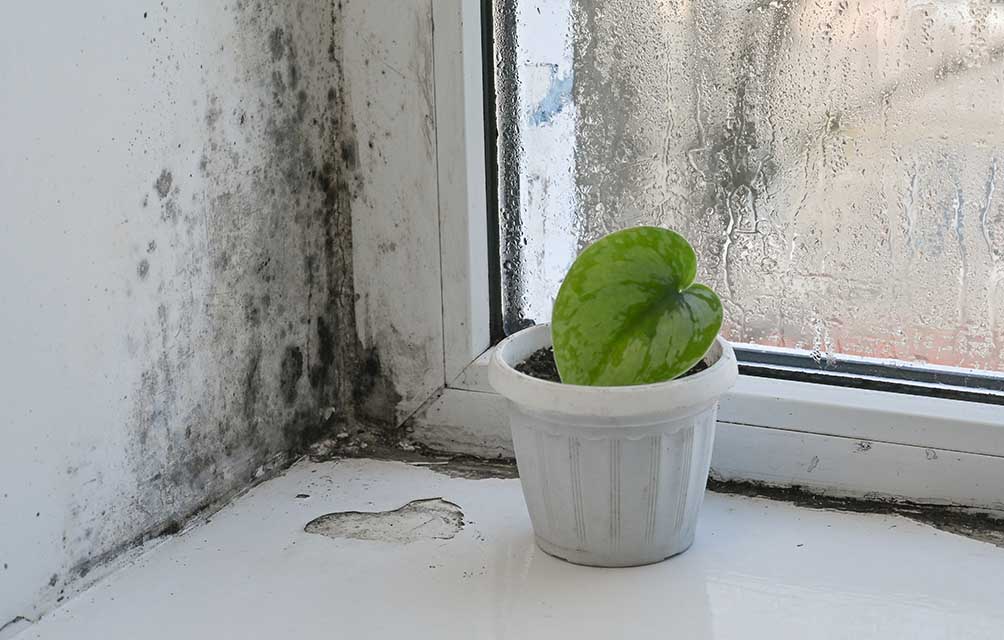
It can happen in any home: a seemingly sturdy wall collapses, revealing hidden black mold and structural decay, sometimes with catastrophic consequences.
Black mold - Stachybotrys chartarum -- is notorious for spreading behind walls, floors, and ceilings long before it becomes visible. It thrives in moisture-rich pockets created by plumbing leaks, poor ventilation, or untreated water damage. By the time dark patches appear on the surface, the damage inside may already be severe.
In some cases, drywall has become so compromised that it can crumble under minimal pressure. According to environmental health experts, once mold infiltrates porous building materials like drywall or wood framing, the deterioration accelerates. Structural weakening, toxic spore release and dangerous air-quality conditions often follow.
Superficial cleanups often fail to address underlying mold
problems, which can lead to dangerous structural weakening. When a landlord
relies on superficial cleanups, such as wiping a wall with bleach and painting
over the damage, that isn't remediation -- it's a cover-up.
What California law requires
Under California's implied warranty of habitability, landlords must maintain safe and livable housing. That includes functioning plumbing, proper ventilation, and structural integrity free from hazardous mold. But the law is only as strong as the systems landlords use to honor it.
The central legal challenge in many mold-related cases is establishing notice:
• Actual notice: the landlord was informed but failed to act.
• Constructive notice: the landlord should have known through inspections or reasonable care.
Habitability claims hinge not only on the existence of a dangerous condition, but on whether owners took reasonable steps to prevent it. Too often, those steps are replaced with shortcuts that mask hazards instead of fixing them.
Why you can't just 'wipe away' black mold
While bleach and paint may remove temporary discoloration, they
do nothing to address deeper structural decay. Mold spores embed inside porous
materials, continuing to grow out of sight. Professional remediation -- often
involving removal of contaminated drywall, insulation or flooring -- is
essential to stop the spread.
Yet in many low-income buildings and older properties, cosmetic patches remain the default response.
A reporting system that doesn't exist for many
renters
Without a structured reporting mechanism, hazardous conditions
can remain hidden until it's too late. Tenants -- many of
whom are seniors, disabled, or low-income -- often fear retaliation if
they complain. Others don't know where to turn.
This gap between legal standards and real-world enforcement is part of a much larger statewide issue.
A widespread safety problem, disproportionately affecting the
vulnerable
According to the Environmental Protection Agency (EPA), roughly 45 million buildings in the United States contain unhealthy mold levels, with some of the highest rates in California, Texas, Louisiana and Florida. Aging infrastructures, high humidity, and cost-cutting repairs make mold especially pervasive in lower-income communities.
The consequences can be devastating:
• Collapsing walls and ceilings
• Respiratory and neurological injuries
• Long-term disability
• Wrongful deaths tied to structural failure
These risks disproportionately impact seniors, fixed-income tenants, and families living in older housing stock where landlords may neglect repairs until catastrophic damage occurs.
How landlords can prevent against mold
Stopping mold before it spreads is not complicated:
• Regular inspections of plumbing and ventilation
• Prompt response to moisture reports
• Professional remediation, not bleach
• Documentation of all complaints and repairs
• Transparent communication with tenants
Certified specialists can safely remove contaminated materials and address root causes, preventing future outbreaks and protecting both tenants and property values.
Submit your own column for publication to Diana Bosetti
For reprint rights or to order a copy of your photo:
Email
Jeremy_Ellis@dailyjournal.com
for prices.
Direct dial: 213-229-5424
Send a letter to the editor:
Email: letters@dailyjournal.com