


Dec. 22, 2025
Orange County's discovery pilot cuts delay with 97% IDC resolution rate
A pilot program assigning discovery and other law and motion matters in unlimited civil cases to a single courtroom is showing dramatic reductions in delays, early resolutions, and a culture shift toward cooperation. Judges hope the model will soon expand across Orange County's entire civil bench.


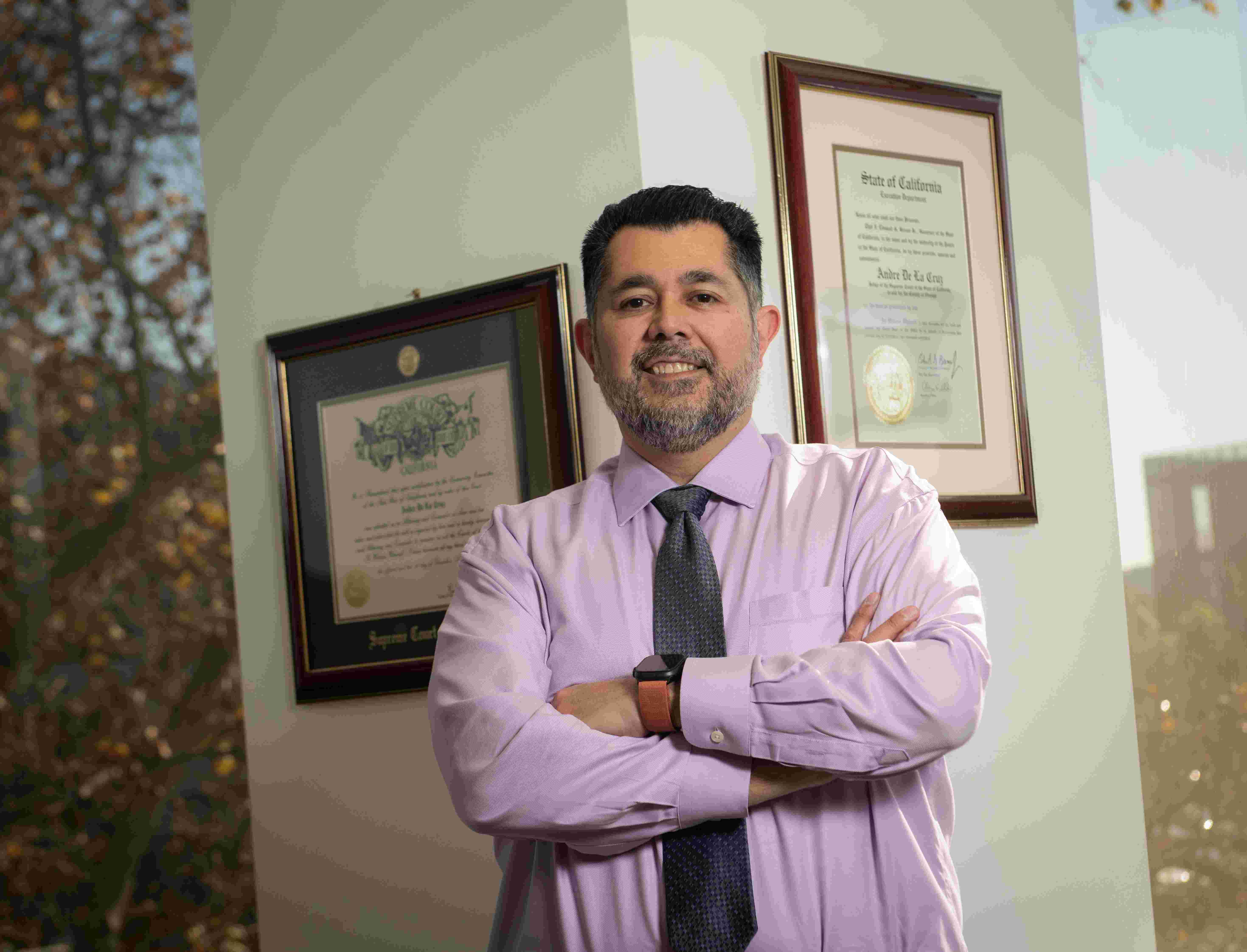
Orange County Superior Court's ambitious pilot program to
streamline civil discovery is only a few months old, but its impact has already
been dramatic: a 97% resolution rate, more than 100 informal discovery
conferences handled weekly by one judge, and early signs that long-standing
delays in civil calendars are shrinking.
Launched June 30 with five unlimited civil departments and
expanded to 10 on Oct. 1, the program funnels all discovery disputes and many
law and motion matters from participating judges into a single dedicated department
run by Judge Andre De La Cruz in Costa Mesa.
"I resolve approximately 97% of them without the need for
a motion to be heard on the merits," De La Cruz said of the discovery disputes.
"When attorneys arrive prepared with concrete proposals, most matters resolve
within minutes.
"One of my main objectives is to create a culture of
compliance," he said. "Compliance is not optional. I set very clear
expectations, and I hold everyone's feet to the fire."
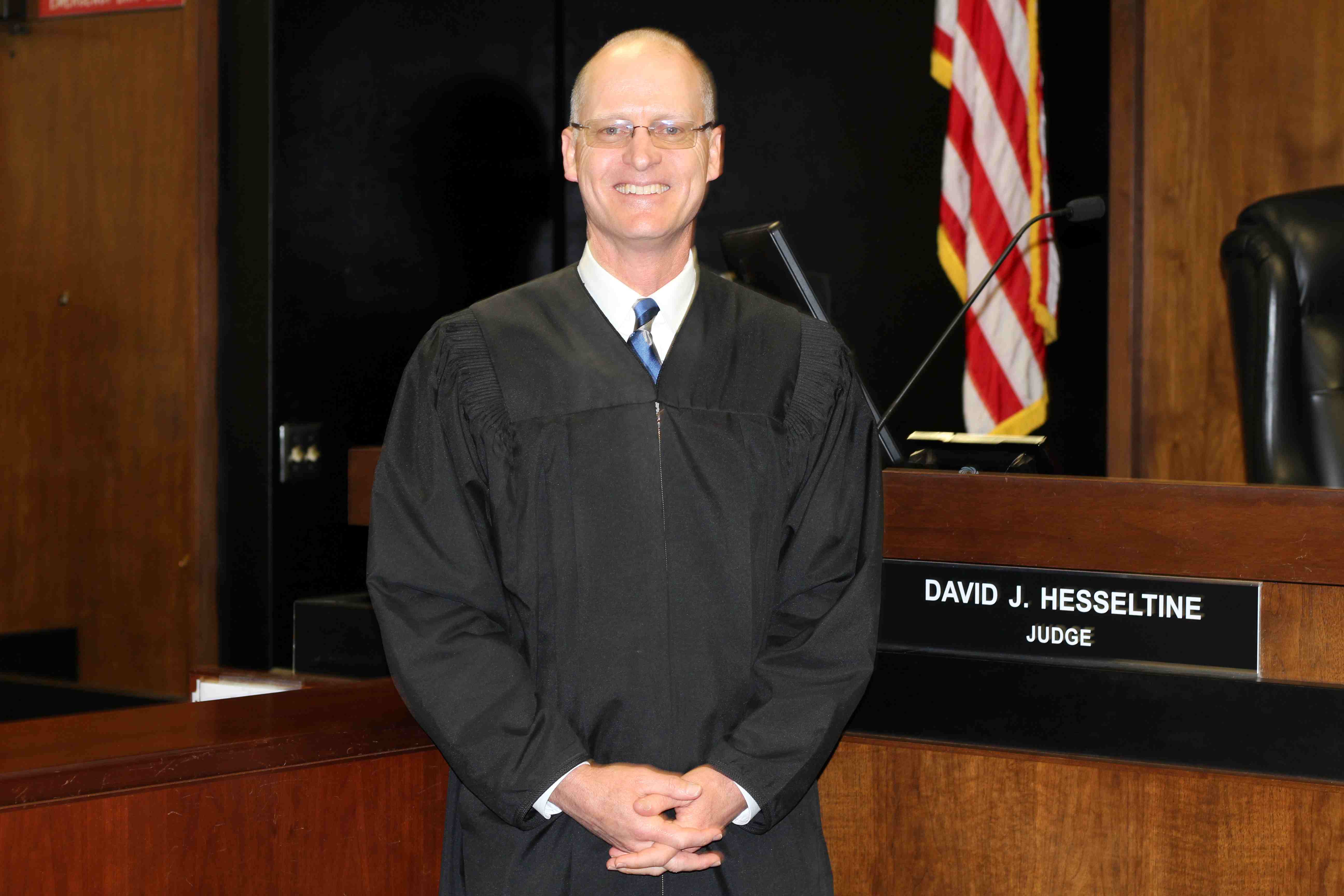
The court hopes to add at least five more departments
early next year, "with the ultimate goal to be pretty much our entire panel," said
Judge David J. Hesseltine, supervising judge of the Civil Department.
Participation is voluntary for judges, but court leaders
expect nearly all to opt in. The early data is strong enough that other
counties have made inquiries about replicating the model.
A structural fix to a systemic problem
The program's roots go back to the cascade of delays that
began during -- and worsened after -- the COVID-19 pandemic. As courts reopened,
filings surged, but judicial resources did not.
"Since COVID we have seen a continual increase in
filings," Hesseltine said. "The volume of work keeps getting greater and
greater. The resources are the same at best."
That mismatch led to increasing delays in getting hearings
on law and motion matters--delays that grew long enough to slow settlement,
trial readiness and case disposition.
When the court reviewed its data, one fact stood out
clearly: Slightly more than one-third of all motions in unlimited civil cases
were discovery motions. Meanwhile, discovery disputes uniquely lent themselves
to early, informal resolution if a judicial officer could intervene before the
parties invested in full briefing, Hesseltine explained.
"Just assigning an extra judge wasn't a solution. We were
looking to come up with something that would have some compounding benefits and
be more of a structural change," he said.
The court had also observed the success De La Cruz was
having in his former department, where he used informal discovery conferences to
resolve cases with multiple disputed motions.
When discovery motions represent a third of the workload,
removing them from the trial courts leaves what Hesseltine called "Swiss
cheese"--big blocks of calendar space that allow other motions, such as summary
judgments, injunctions and demurrers, to be heard weeks earlier.
How the pilot works
Under the new system, any discovery motion filed in a
participating department automatically triggers an order directing the parties
to an informal discovery conference (IDC) with De La Cruz, usually about 31
days after the reservation date. Full briefing is prohibited unless the IDC
fails.
"When they get their notice that they've been ordered to
an IDC, they're told, 'Don't spend your time doing an opposition brief. Don't
do a reply brief,'" Hesseltine said. "You're only going to need that if the IDC
process is unsuccessful.'"
The parties must instead submit a joint, four-page,
single-spaced letter brief attesting that they met and conferred
meaningfully--in person, by phone or by Zoom.
"Email chains and letters do not qualify as meet and confer because they
rarely, if ever, result in actual resolution," De La Cruz emphasized.
"Filing deadlines are three court days prior to the IDC
and late filings are routinely disregarded," he said. "Strict enforcement
across the board promotes fairness and preparation."
Creating a culture of compliance
De La Cruz describes the program as "intentionally
structured and focused on early intervention to keep litigation moving
efficiently." His goal is not simply to resolve motions; it is to change attorneys'
behavior in the interest of all parties - and the court.
IDCs are held in conference rooms, rather than in
courtrooms or chambers. "I move room to room like a doctor visiting patients,"
he said. "The environment is intentionally informal to encourage collaboration
and reduce the adversarial tone."
To reinforce that expectation, he issues monetary
sanctions when counsel fail to follow his orders. These, he stresses, "are
never punitive for their own sake, but used to protect the integrity of the
process and ensure fairness to litigants who do follow the rules."
He starts low. A first-time violation earns what he calls
a "shot across the bow."
"Look, it goes in my notes. Don't do it again," he tells
counsel.
Repeated violations escalate sanctions, up to motion
dismissal.
In November, De La Cruz started at $200 and ended up issuing
$9,500 in sanctions after repeated failures by the defendants to meet
deadlines, respond to discovery or appear at hearings in a breach of contract
case. Best Wheels and Tire, LLC v. Liquid Metal Motorsports, Inc.,
30-2022-01288714-CU-BC-CJC (O.C. Super. Ct., filed Oct.
27, 2022). The judge also refused to consider the untimely briefs they filed.
"The case isn't all that complicated, but the adverse
parties and their lawyers have done everything they can to obstruct discovery ...
which has driven up costs and created delays," the plaintiff's attorney,
Michael D. Kibler of Kibler Fowler & Cave LLP, wrote in an email.
"That said, our experience with the discovery court was
positive," he added. "The court first attempted to obtain voluntary compliance
from the other side through informal conferences and when that failed after
several attempts, issued firm rulings that sided with us across the board. ...
Even with an opposing party who is not proceeding in good faith, the discovery
court got to the right place and moved the case forward so we can be ready for
trial."
Although he has not seen undue delays in the Orange County
trial courts, Kibler said, "Our experience has been that the discovery court is
able to give discovery disputes more bespoke or individualized treatment, which
oftentimes obviates the need for a more costly formal motion altogether."
In-person conferences, not mini-hearings
Every IDC is conducted in person--no remote appearances
allowed.
"To resolve a dispute, you need to look each other in the
eye," De La Cruz said. Remote appearances, he noted, often lead to
"half-hearted engagement," while "face to face participation promotes civility
and honest dialogue."
While "the process moved quickly, for the most part, and facilitated
some better communication between parties generally," in his experience, attorney
James G. Perry of Atticus Injury Law is not sure it was
necessary to appear in person and felt more focus was needed on conduct.
"While I can appreciate why an in-person meeting can
facilitate greater communication, frankly, the
reason a motion to compel is necessary (and, in turn, the IDC hearing is
necessary) is because communications between the parties are exhausted," he
wrote in an email.
"If communications were not exhausted, then the MTC should
be denied outright and the parties instructed to meet and confer before filing
a MTC (obviating an IDC hearing)," Perry suggested.
He found the process led to faster compliance "to the
degree the opposing party was told in a general sense that its positions were
meritless. However, because the parties were told to (and did) negotiate
amongst themselves after initially speaking with the judge, less specifics were
discussed with the judge. This has led to some confusion about the scope of the
court's rulings."
De La Cruz said, "The IDC is about collaboration, not
ceremony," noting that counsel may
appear in informal attire.
It is also not a mini-motion hearing, he said. "Counsel is
well advised to bring clarity, not volume.
"The process has shifted the culture of discovery practice
toward one of cooperation and direct engagement," the judge said.
West Coast Trial Lawyers partner Ronald Zambrano provided
an example of that. The requirement for an in-person meeting at the Costa Mesa
Justice Complex pushed him and his opposing counsel in one case to reach
agreement during their meet and confer calls.
"I think the process incentivizes people getting to brass
tacks on what matters, to avoid the extra work and an in-person hearing. Also, it forced further meeting and conferring," Zambrano said.
His experience was: "We filed motions to quash subpoenas
in our department at the Central Justice Center. Then we were told the motions are off
calendar pending an IDC at the Costa Mesa Courthouse, in person. If things don't resolve, then our motions go
back on calendar.
"We were saying, 'What are we doing? We have
to meet in person?' We started to think, 'Maybe we can work this out.'
They wanted my client's medical records from the beginning of time, and that's
not OK. So, over several days we resolved the subpoena issues informally before
the IDC, with defense narrowing the scope of the subpoenas," he said.
His opponent would have had to justify his travel and time
costs to his own client, Zambrano noted, "And I'm not getting paid until I'm
finished. So, it worked for me."
For Perry, however, "Unfortunately, the biggest issue,
which I believe will remain, is that there is little deterrence of bad
conduct. Meaning, because these IDC hearings focus on the issues, and not on
the conduct--e.g., one party's 'objections were meritless, and will lead to $X
in sanctions'--there is a component of the current system that is lacking."
Perry suggested, "Ideally, and to deter a party from using
this process to delay litigation, the IDC hearing
should also be about the conduct (if warranted) and the issues.
"In the absence of keeping the stick, I worry the carrot
will not be enough to reduce delays and, in many circumstances, will increase
it," he said.
When disputes don't settle
For the small percentage of cases that cannot be resolved
informally--even after continuances designed to allow supplemental responses--De
La Cruz sets a formal hearing about 40 to 45 days out
and issues a briefing schedule.
Importantly, discovery matters remain with De La Cruz,
while all other proceedings continue before the trial judge. The bench
maintains constant communication to manage overlapping issues and scheduling, Hesseltine
said.
Early results and future hopes
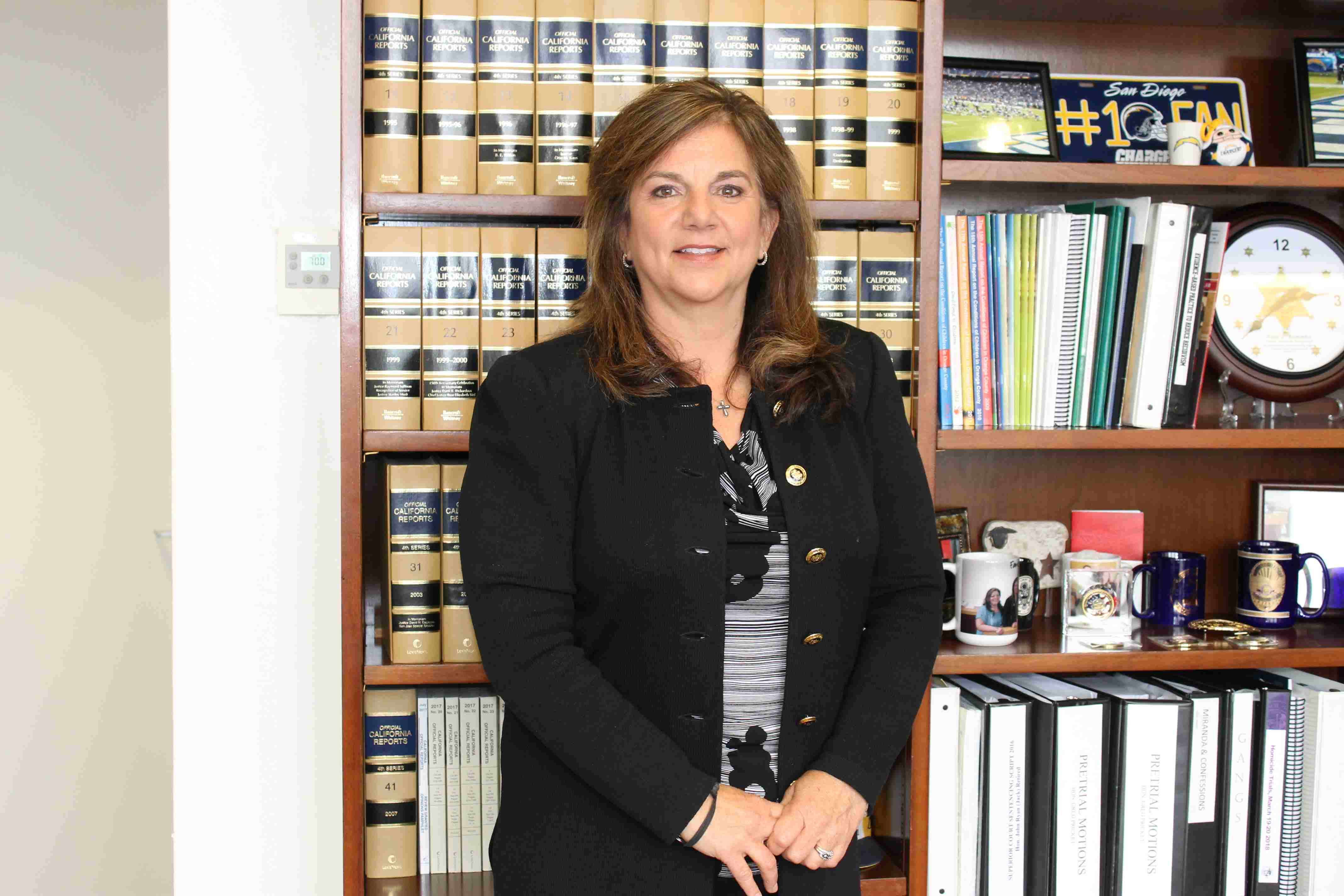
Presiding Judge Maria D. Hernandez said the program "is
part of a much bigger effort that our court has undertaken to implement delay-reduction
programs across all our operational areas." The pilot has already produced
"meaningful improvements," though she emphasized the cases stay in the court's
inventory for years, meaning the full impact will take time to measure.
"In the few months this pilot program has been in
operation, we've experienced positive improvements in the scheduling of
hearings," she said. "We anticipate in the coming months that improvements in
the processing of cases will improve as well."
Some participating departments have cut law and motion
delays by roughly 11 weeks, Hesseltine said. After the immediate improvement, delays rise
slightly as the "Swiss cheese" gaps fill, but they remain significantly better
than pre-program levels, he said.
Meanwhile, De La Cruz reports no backlog in his courtroom.
"When people file their motion, they're getting sent out as early as 21 to 28
days," he said. He currently has bandwidth for about 30 cases a day, which
translates to more than 100 IDCs a week.
Hesseltine said the inquiries from other counties reflect
wider statewide concern about civil case delays. The program aligns with Chief
Justice Patricia Guerrero's emphasis on delay reduction, a focus she
highlighted several years ago, but the Judicial Council noted that this is Orange
County's own, self-developed project.
If the entire unlimited civil panel opted in, Orange
County would become the first in California to adopt a streamlined
discovery system at this scale.
Its early success stems from a few simple principles,
according to De La Cruz: early intervention, clear rules, strict compliance--and
a shift in the culture of discovery itself.
His background also proved to be an asset in ensuring that
happens.
"Well, I'm former military," De La Cruz said. "And I think
that helps."
Laurinda Keys
laurinda_keys@dailyjournal.com
For reprint rights or to order a copy of your photo:
Email
Jeremy_Ellis@dailyjournal.com
for prices.
Direct dial: 213-229-5424
Send a letter to the editor:
Email: letters@dailyjournal.com