


Dec. 23, 2025
Attorneys welcome LA Superior Court reforms but warn backlogs persist
After a year of reforms, attorneys applaud Los Angeles County Superior Court technology and settlement tools but say staffing shortages, trial delays and calendar congestion continue to undermine efficiency and justice.


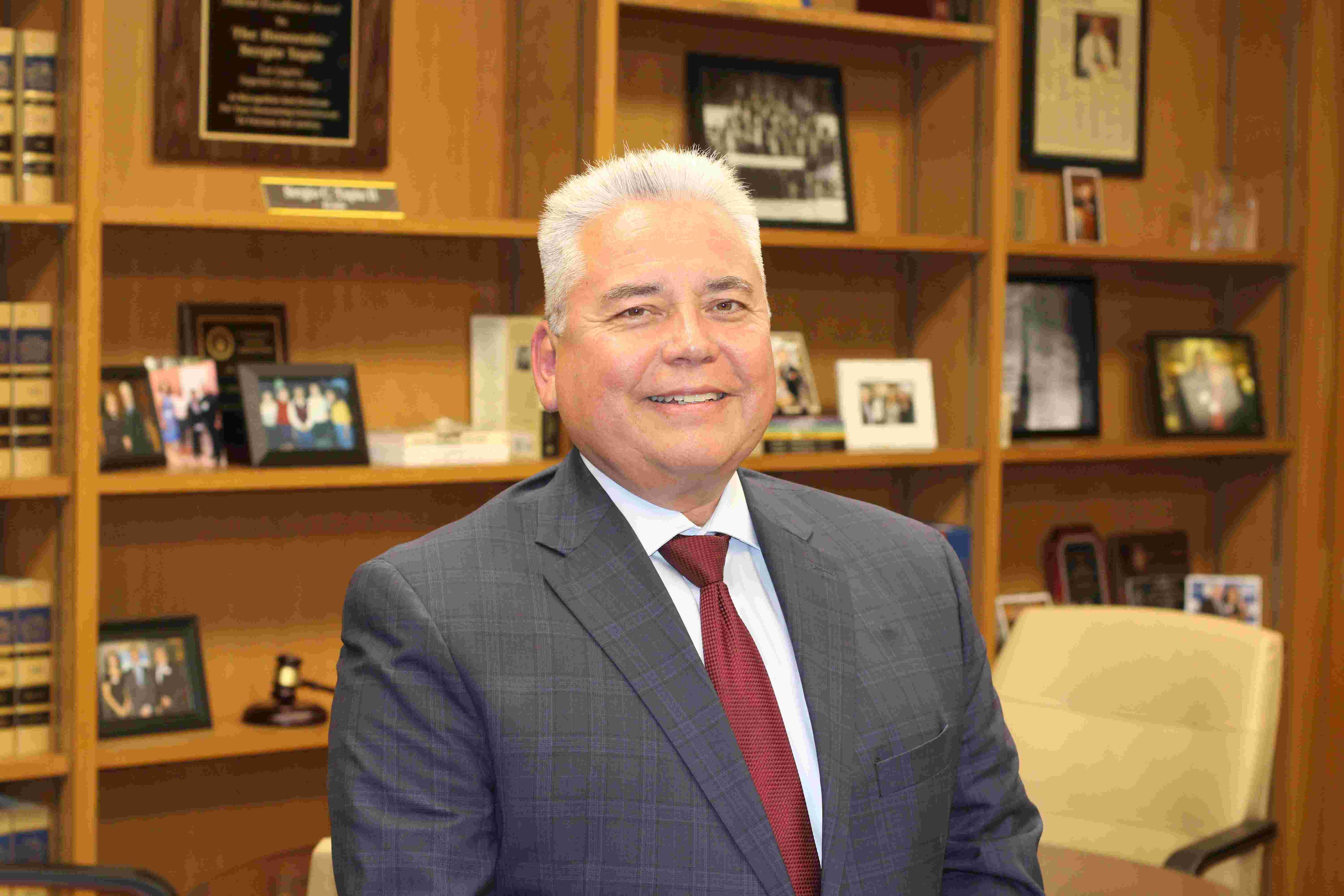
After a year of new initiatives aimed at easing heavily burdened dockets in the Los Angeles County Superior Court, attorneys say that while the improvements are appreciated, significant calendar backlogs remain.
Cases don't proceed on the originally scheduled dates "85% of the time, which is not the case anywhere else in this country," said Nicholas C. Rowley of Trial Lawyers for Justice in Ventura.
"It's awful," Rowley said. "Sometimes we show up and judges order us to mandatory settlement conferences. When we show up for trial, it's for trial, not a forced settlement conference. In other states, and I practice nationally, judges never do this."
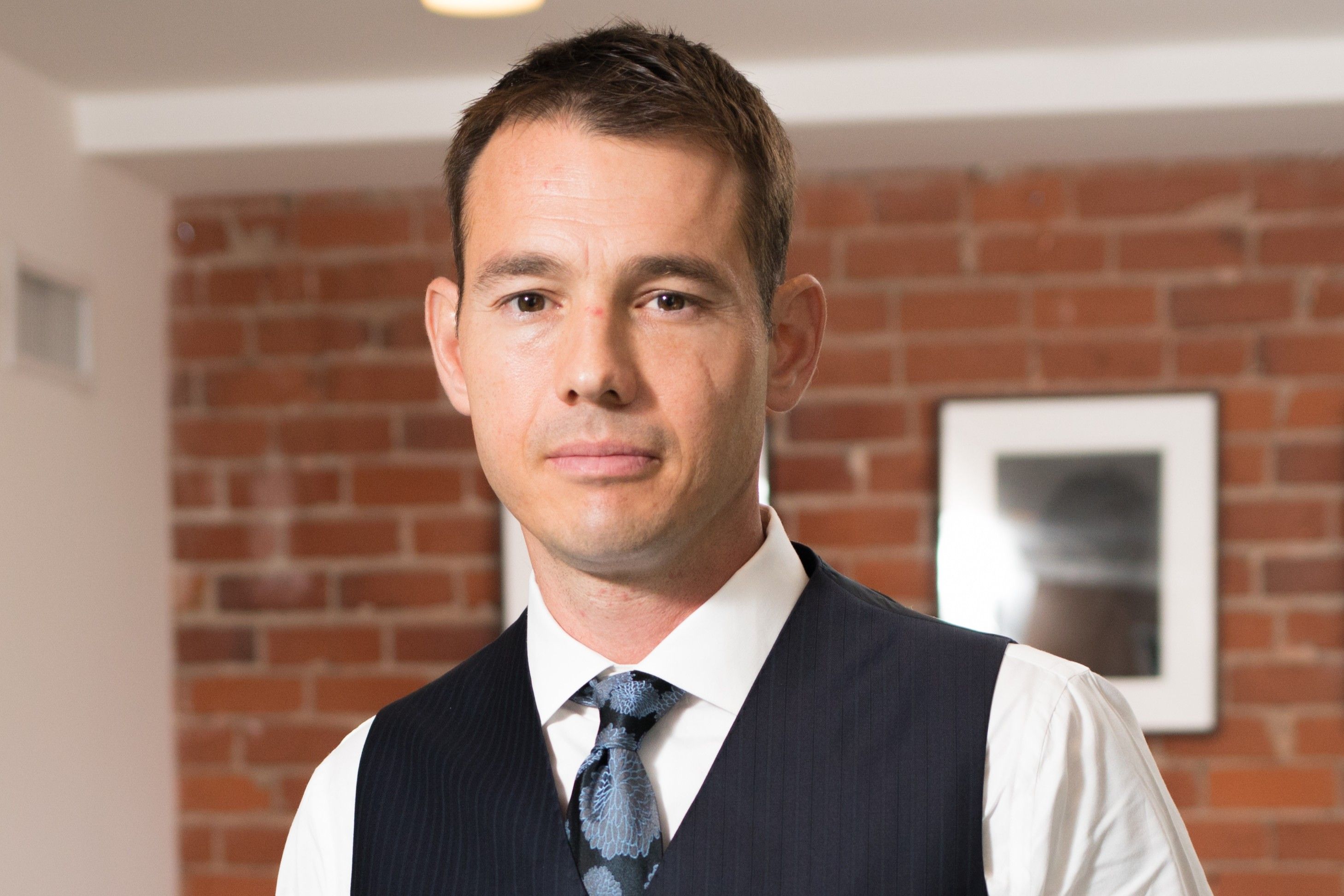
Attorneys overwhelmingly cited case backlogs, trial delays and funding and staffing shortfalls as the most serious issues facing the court.
"Trials rarely proceed on the originally scheduled trial dates," said another civil litigator, who asked not to be identified.
While the attorney said complex court judges "take securing and keeping a trial date in these cases very seriously," a shortage of judges remains a hindrance.
"My understanding is that the court has as many judges as it can afford," the attorney said. "There are never enough judges in L.A. County, but the judges in the county work extremely long and hard hours to accommodate."
In 2025, the superior court implemented measures to ease the backlogs, including automatically scheduled order-to-show cause hearings and a digital platform for the volunteer attorney panel that offers three hours of mediation at no cost.
These programs have drawn positive notice from some attorneys, including family law practitioner Roslyn Soudry of Los Angeles.
The new order-to-show cause procedure is an "effective tool to encourage final settlements and entries of judgments," she said.
The court's adoption of technological solutions in and out of the courtroom also drew praise.
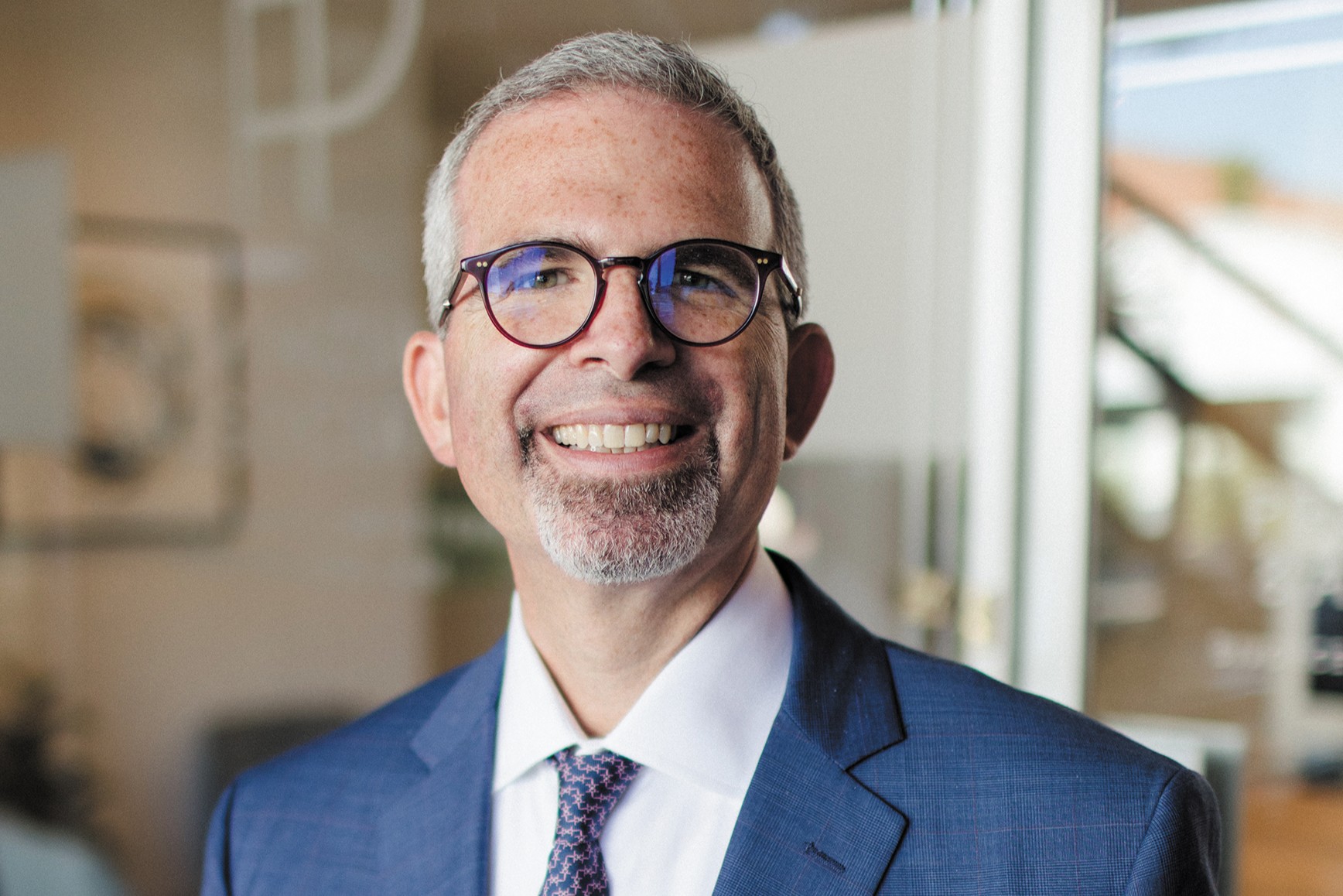
Family attorney Alphonse F. Provinziano of Provinziano & Associates in Beverly Hills specifically noted the widespread availability of digital evidence presentation systems throughout the superior court.
"Almost all courtrooms are equipped with HDMI ports, so you can plug and play," Provinziano said.
He further noted that the Beverly Hills Bar Association, of which he is president-elect, is working with Judge Joel L. Lofton to schedule a meeting where family law practitioners familiarize themselves with how to present evidence with technical equipment.
"Being able to share what's on your computer screen is just one click away from the courtroom now," he said. "All courtrooms have document cameras as well, so there's a multitude of ways to easily present evidence -- more so than ever before. In the past, you would have had to bring your own audiovisual equipment, including projectors, screens, etc., increasing the cost for everyone. But since everyone has access to a laptop and an HDMI cable, this is equalizing the playing field and promoting access to justice."
Opinions were more split on the ease of filing case documents with courtroom clerks, with Rowley stating, "Los Angeles County civil clerks are most often very great to communicate with."
Soudry echoed this sentiment regarding family law clerks, suggesting that they deserve "the utmost confidence of the public."
However, some attorneys, including Soudry, reported not being able to get ahold of staff at the family court's call center.
Another attorney who asked not to be identified said that an ongoing problem has been clerks rejecting filings for "trivial" errors.
"In the old days when you stood in front of the clerk, some things could be fixed right then," the attorney said. "Not that I want to go back to those days, but there are trivial things that cause a rejection and therefore cause delays. I think it is not a result of funding, but of unwillingness on the part of the clerk to accept trivial inconsistencies or try to resolve them. There is overall a decline in efficiency."
In response to these concerns, Rob Oftring, the court's chief communications and external affairs officer, said in an email, "Improving the court user experience is a core focus of the Court's 2025-2028 Strategic Plan. Central to this effort is ensuring that attorneys, litigants, and members of the public receive a consistently professional and knowledgeable level of service across all courthouses and clerk's offices.
"To that end, the court will soon launch a comprehensive, enterprise-wide customer service training program -- modeled after best practices used by large, complex service organizations -- that will provide standardized education, tools, and expectations for clerk staff. This initiative is intended to promote uniform communication protocols, reinforce a service-oriented culture, and reduce inconsistencies in experience, regardless of department or location," he continued.
"Additional efforts underway include evaluating call center operations, reviewing electronic filing acceptance and rejection practices, strengthening training and resources for frontline staff, and expanding ongoing professional development to ensure court users receive clear, timely, and respectful assistance throughout their interactions with the court," Oftring said.
The court's newly revamped LACourtConnect website was criticized by one attorney, who highlighted difficulties logging in for remote hearings.
"Sometimes our case number is not listed on a judge's digital calendar, and we have to enter into the hearing as an anonymous party, 'other,'" the attorney said on condition he not be identified. "The help telephone number is worthless - no one answers. This difficulty causes great consternation when you can't get on and you are facing a potential OSC."
Other attorneys were more positive, with Shareef S. Farag of Baker & Hostetler LLP in Los Angeles calling LACourtConnect "fairly stable after initial hiccups" following its redesign in November.
In response, Oftring said, "The court recognizes the importance of reliable, intuitive technology and understands the frustration that usability challenges can create for attorneys and court users.
"In 2025, the Court made a significant resource commitment to replace the previous LACourtConnect platform and expand it across all litigation areas, ensuring that -- regardless of case type -- court users are accessing a single, standardized remote-appearance system that is simple, stable, and sustainable," Oftring continued. "This consolidation was designed to reduce confusion, streamline training, and create a more consistent user experience.
"As part of this expansion, the court implemented several attorney-driven enhancements, including the integration of a courtroom preview feature that allows counsel to monitor multiple courtrooms simultaneously when appearing remotely, and the introduction of same-day check-in, eliminating the need for parties to check in well in advance of their scheduled hearings," Oftring noted.
Furthermore, "the Court has made a significant investment in modernizing courtrooms throughout the system with updated microphones and cameras, ensuring those participating remotely are able to see and hear the proceedings clearly," he said. "The court continues to actively solicit and review user feedback and is committed to making ongoing improvements to address usability, access, and user support."

Despite the technological advances, Olivier A. Taillieu of BD&J PC in Los Angeles agreed with other attorneys that the main problems stem from a crowded calendar for hearing dates of all kinds.
"As you're getting closer to a trial date, being able to set a motion, whether it's a motion to compel or a pretrial motion of any kind, being able to find a hearing date prior to your trial date is still very much a challenge," he said. "What that does is it forces you to pick a motion date into the future past the trial date and then to move the court to go ahead and move the trial date."
Acknowledging the caseload problems, Oftring highlighted some measures the court has taken to handle increasing case filings.
"Over the past year alone, civil filings (limited and unlimited) have increased by 13%, with unlimited civil filings increasing by 11% year over year and limited civil filings increasing by 30% in the same period," Oftring said. "These filing increases continue to significantly intensify demand on already constrained judicial resources.
"In response, the court is prioritizing judicial assignments to maximize courtroom availability and is investing heavily in innovations designed to free up civil judicial capacity, including the continued expansion and strengthening of its alternative dispute resolution programs to resolve appropriate matters earlier and outside of trial. At the courtroom level, judges are using every tool available under the law to actively manage cases, promote readiness, and move matters toward resolution, while balancing due process considerations and the realities of staffing and budget constraints," he continued.
Attorneys who commented for this article were nearly universally apprehensive about plans by the court to incorporate artificial intelligence into its operations, including: implementing a generative AI chat function on its new public website, deploying a jury bot for juror self-service, and contracting with a vendor to use generative AI for reviewing document filings and providing analyses for judicial officers.
"It can be helpful, but it requires significant quality control," Taillieu said.
"Incorporating AI with the proper safeguards and quality control measures, I understand, in some cases can be beneficial, but to have generative AI review document filings and provide analysis directly to judicial officers without the benefit of having either staff attorneys or law clerks or the judges themselves analyze what is being put out, in my opinion, is problematic," he continued.
An attorney who wished to remain unidentified expressed similar concerns, stating, "I don't think this is a good idea and I have concerns about whether such analyses would be truly impartial."
Rowley condemned the potential use of AI more directly.
"I think AI is unnecessary and dangerous when it comes to analysis of legal issues and should not be used by judges," he said. "If we keep using AI to think for us, we are all going to end up stupid and lazy."
Oftring said the court is approaching the potential implementation of AI tools with caution.
"Court leadership is firmly committed to preserving the sanctity, independence, and impartiality of the judicial decision-making process," he said. "The court is not using generative AI to make judicial decisions, nor to replace judicial analysis or discretion. Any exploration of emerging technologies is limited to understanding whether they may responsibly support judicial officers in administrative or research-related functions, and only with appropriate safeguards in place."
He noted that, "Judicial officers are bound by Standard 10.80 when using generative AI in their adjudicative role." The court recently adopted generative AI policies for both judicial officers and staff that are aligned with California Rule of Court 10.430.
Oftring added that the court "will continue to engage stakeholders as these evaluations move forward."
Oftring also addressed an ongoing shortage of court interpreters, which Presiding Judge Sergio C. Tapia II called "dire" in a recent Daily Journal profile.
"Court leadership agrees that the shortage of Spanish interpreters is a serious and urgent issue, and it remains a top operational priority despite significant fiscal and staffing challenges," he said.
"To expand the interpreter pipeline, the court launched an internal Court Interpreter Training Program in 2024, designed to recruit, train, and develop qualified bilingual staff into certified court interpreters, strengthening long-term capacity from within the organization," Oftring continued.
"In parallel, the court's centralized Assignment Office -- whose workday begins as early as 7:30 a.m. -- actively deploys interpreters each day across one of the largest and most complex court systems in the nation, continually adjusting assignments to respond to shifting needs, high-volume courtrooms, and emergent matters.
"The court is looking to expand its pool of qualified interpreters and is exploring the use of video remote interpreting to enable our court interpreters to be used to their fullest potential," he explained. "Finally, the court is working with the Judicial Council of California to advocate for increased funding from the Legislature and the governor's office to fund recruitment and retention of qualified interpreters."
Skyler Romero
skyler_romero@dailyjournal.com
For reprint rights or to order a copy of your photo:
Email
Jeremy_Ellis@dailyjournal.com
for prices.
Direct dial: 213-229-5424
Send a letter to the editor:
Email: letters@dailyjournal.com