


Criminal
Jan. 13, 2026
SF public defender faces contempt over refusal to take felony cases
The hearing follows months of dispute over overburdened attorneys in the San Francisco Public Defender's Office and the declaration of "unavailable" days.


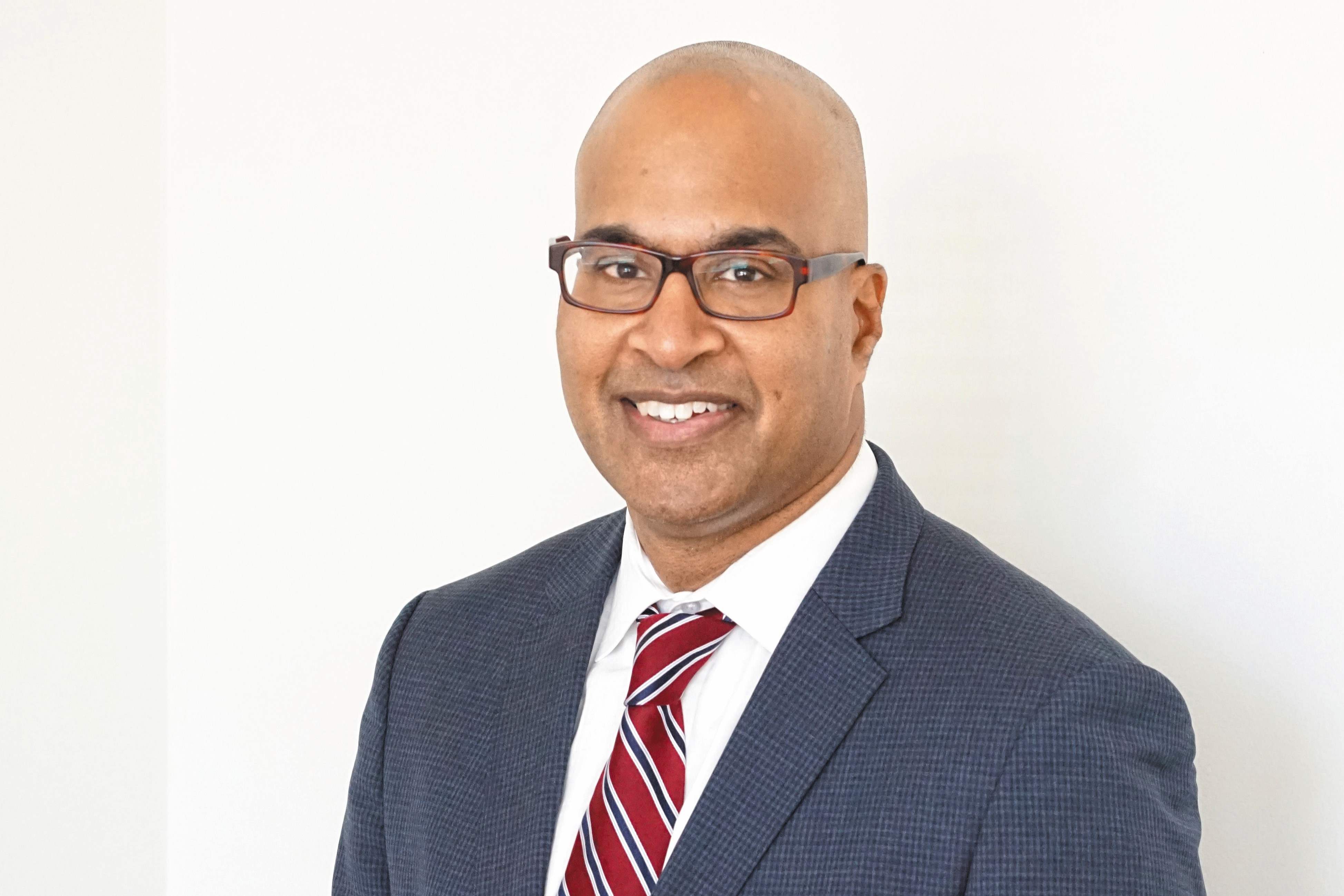
The San Francisco public defender faces a contempt hearing after refusing to take on an indigent client, despite a judge's order that his office resume accepting new felony cases on a full-time basis. Public defenders have been declaring themselves "unavailable" to new clients one day a week since May of last year.
Superior Court Judge Harry Dorfman ordered Public Defender Manohar Raju's office to cease its declaration of "unavailability" in an order Monday. But in at least one felony arraignment Monday, Raju refused to assign an attorney to a new client, and Dorfman ordered him to show cause at a contempt hearing next Tuesday.
"San Francisco Public Defender Manohar Raju has committed contempt by refusing to follow the Court's order," Dorfman wrote in his order to show cause.
Dorfman's ruling preventing the Public Defender's Office from declaring itself unavailable came after months of evidentiary hearings with the county's justice partners. Dorfman stated there was "insufficient evidence" to support Raju's assertion his attorneys were too overburdened to take additional cases.
Julie Traun, Bar Association of San Francisco director of programs, said in a phone call Tuesday, "There were four cases where the public defender was first asked if they would accept appointment and they said 'no,' and then the judge ordered them and they said 'no.' The public defender feels so strongly that they jeopardize effective assistance of counsel by taking on more cases that they're willing to face contempt."
The San Francisco Public Defender's Office was contacted for comment but did not provide one.
In a separate emailed statement about Dorfman's ruling on the office's unavailability, Raju said he planned to appeal it, claiming that active felony and misdemeanor cases have risen 65% since 2019 -- from 5,039 to 8,335.
"Judge Dorfman's misguided decision moves in the opposite direction, forcing more cases onto already overburdened defenders without offering any solution," Raju said. "This attempt to force our office to take on even more cases is unlawful, unethical, and unsustainable. It undermines due process for our clients and pushes already overextended staff beyond capacity."
According to Dorfman's order, the Public Defender's Office has refused to accept more than 250 felony cases claiming caseloads prevented its lawyers from providing effective representation.
As a result, the court appointed private attorneys from the Bar Association of San Francisco's conflicts panel -- lawyers typically used only when the public defender has an ethical conflict.
Those panel attorneys absorbed more than 800 felony cases and claimed they were also reaching unsustainable workloads.
Following Dorfman's ruling, Traun, who is responsible for managing the conflict panel, added, "I'm happy that we've reached a point where we have a determination made by a court, and I hope at this point we can move forward to solve this problem."
While acknowledging that public defenders are "busy, some extremely busy," Dorfman said he found no evidence that existing caseloads resulted in ineffective assistance from counsel.
On Dorfman's ruling, San Francisco District Attorney Brooke Jenkins said in an emailed statement Tuesday, "Sadly, this entire situation was the result of the Public Defender attempting to extort the Mayor's office for more funding during a tough deficit year that has affected departments citywide, including my own. Indigent defendants should not be used as political pawns.
"It was clear to me from the outset that the Public Defender's actions were disingenuous and I am grateful that the court is now holding them accountable to their charter mandate and will no longer allow this wanton abuse of the system."
Dorfman's ruling also declined to adopt national public defense workload standards relied on by the public defender -- including studies recommending only 47 felony cases per attorney -- noting that such guidelines are "aspirational" and not binding under California law.
Tracie Olson, President of the California Public Defenders Association, said in a phone call Tuesday that Dorfman's dismissal of the workload study "sends a troubling message that system pressures matter more than constitutional guarantees."
"I think it should be at least acknowledged that this particular judge was a DA in the San Francisco DA's office," Olson added. "That's sort of like sending the fox to guard the hen house."
In addition, the judge criticized the office's practice of regularly assigning two public defenders to a single felony trial.
"The constitutions of the United States and the State of California guarantee an accused the right to counsel, not multiple counsel," Dorfman wrote.
The court emphasized that the conflicts panel exists to handle cases involving actual conflicts of interest and that its willingness to accept "unavailable" cases does not relieve the public defender of its statutory duty to represent indigent defendants.
Randall Miller, founding partner at Miller Waxler LLP, who has represented judges and attorneys for more than 40 years, said in a phone interview Tuesday that there was little mention of the "ethical quandaries" faced by the Public Defender's Office in Dorfman's order.
"To me, that could have been a more potent basis for justifying the refusal to accept additional assignments," said Miller. "Those ethical issues go back decades."
"It seemed the court accepted those ethical obligations as a baseline and just focused on the Public Defender's 'capacity' as discerned from the evidence at the hearing, Miller added. "The SF Bar Association supported defense [conflict] panel was hardly mentioned, and only to suggest they worked hard and were not part of the problem - and that they could not be forced to accept more. So, in essence, the court put this back on the PD."
James Twomey
james_twomey@dailyjournal.com
For reprint rights or to order a copy of your photo:
Email
Jeremy_Ellis@dailyjournal.com
for prices.
Direct dial: 213-229-5424
Send a letter to the editor:
Email: letters@dailyjournal.com