


Feb. 17, 2026
Zuckerberg testimony looms in social media addiction trial
As Mark Zuckerberg prepares to testify, jurors will weigh whether Instagram and YouTube were defectively designed to addict minors and substantially contribute to a plaintiff's alleged mental health harms.


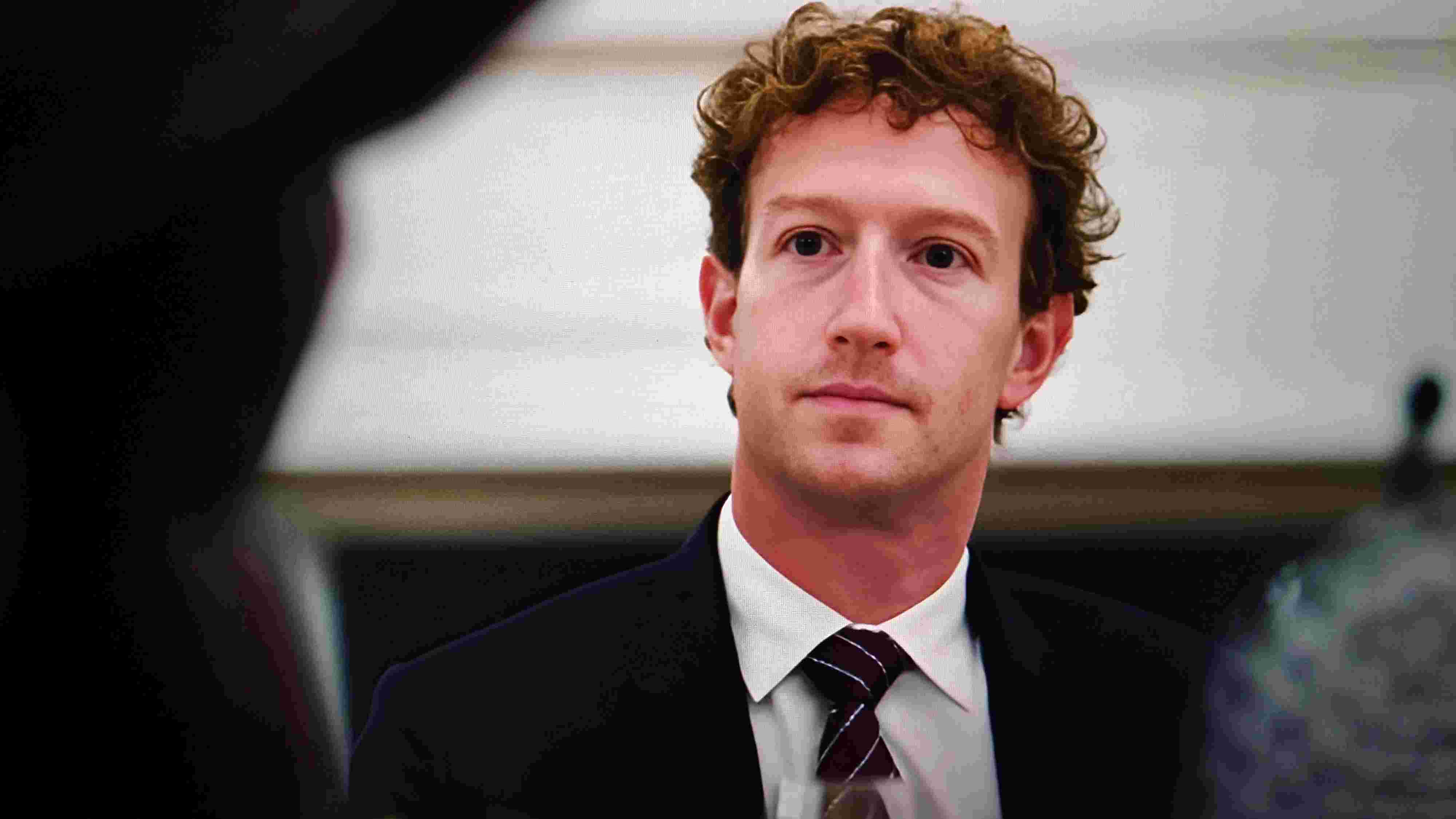
As Meta Platforms CEO Mark Zuckerberg prepares to take the stand, legal observers say the opening week of the first bellwether social media addiction trial has set the stage for a closely watched battle over foreseeability, responsibility and platform design during the next month.
At the close of trial, jurors before Los Angeles Superior Court Judge Carolyn B. Kuhl will be asked to decide whether Meta's and Google's social media apps were defectively designed to keep minors addicted and whether that substantially contributed to their mental health struggles.
The plaintiff, an adult named Kaley who filed the case as a minor, is represented by Lanier Law Firm founder Mark Lanier. She alleges that years of using Instagram and YouTube beginning in childhood led to anxiety, depression, suicidal ideation and other mental health harms. Social Media Cases, JCCP5255 (L.A. Super. Ct., filed Oct. 24, 2022).
In phone interviews Friday, attorneys following the case said Kaley's "addiction by design" theory faces both opportunity and risk after testimony last week from Instagram chief Adam Mosseri, the case's first apex witness.
Withers partner Kimberly A. Pallen, a trial attorney who specializes in complex civil litigation for high-profile plaintiffs and defendants, said Kaley's counsel appeared to make headway on foreseeability by highlighting internal Meta debates in 2019 about teen safety and Instagram "cosmetic" photo and video filters. She noted Mosseri's testimony referencing "trade-offs" between safety and other business considerations could resonate with jurors.
During his testimony Wednesday, the Instagram chief said, "There's always trade-off between safety and speech. ... We're trying to be as safe as possible and censor as little as possible," as he described Meta's effort to balance protecting teen users with preserving free expression on the platform.
"I think it makes sense, but that word kind of struck me," Pallen said. While "trade-off" is common executive language from a business perspective, Pallen opined, "when you're talking about children's mental health ... I don't think it's a great word to use, and I wonder if the jury picked up on that.
"I think it also ... foreclosed the possibility of the defense arguing that they were unaware of any risks," Pallen continued, adding that Mosseri's testimony made it "pretty clear" that Meta was aware of potential feature harms, and that the defense will likely pivot to emphasizing the "reasonableness of their actions" and the company's investment in safety tools.
Although Mosseri acknowledged that there can be "problematic use" of Instagram, he rejected the notion that heavy usage of the app constituted a clinical addiction.
Anne P. Mitchell, a California lawyer and CEO of the Institute for Social Internet Public Policy, opined Mosseri's acknowledgement could be problematic for the defense.
"If you're arguing that my product is not clinically addicting, but users can have problematic use of it, now you are simply arguing degrees of harmfulness ... and already acknowledging potential harm," Mitchell said.
Mitchell opined that the impact of Mosseri's remarks will ultimately depend on how narrowly the complaint frames the claims. If the case turns strictly on whether Instagram is "clinically addictive," the jury battle may hinge on expert testimony, Mitchell said. With broader allegations - focused on design choices that foreseeably contribute to harm - she suggested the acknowledgement of "problematic" Instagram use could bolster the plaintiff's theory.
At the same time, Pallen opined that jurors may be receptive to arguments about the complexity of operating global platforms used by billions of people.
"Different users have different experiences and different vulnerabilities. ... It's not a one-size-fits-all solution," Pallen said.
On the stand, Mosseri rejected suggestions that Meta knowingly sacrificed children's safety for profit and testified that Instagram's tools and policies, "like our products, evolve over time" to protect users, especially minors.
"The Instagram that Kaley signed up for back then was very different," Mosseri noted.
Kaley, who turned 20 last November according to Lanier, said she began using Instagram when she was 9. The platform launched in 2010.
During opening statements, Lanier argued Instagram and YouTube features such as autoplay, infinite scroll, notifications and algorithm-driven recommendations were deliberately designed and "engineered addiction in children's brains."
Withers partner Jessica K. Nall, a defense attorney in the technology field, said she questions whether the plaintiff's theory fits comfortably within traditional liability law.
"It's too easy to say 'A, B, and therefore C,'" Nall said, adding that courts have traditionally been reluctant to treat software platforms as defectively designed products in the same way as tangible goods.
During the defense's opening, represented by Covington & Burling LLP and Wilson Sonsini Goodrich & Rosati, the companies' lawyers told jurors Kaley faced significant challenges long before her use of Instagram and YouTube, and that the platforms were not the root cause of her mental health problems.
Nall said she views some of the plaintiff's claims as stretching traditional product liability beyond its limits.
"If YouTube is considered to be social media and that their content recommendations are somehow purposely addictive, what's next?" Nall said. "Is it going to be that Netflix isn't allowed to say stuff like. 'Are you still watching?' ... Where does it stop?"
Against that backdrop, observers say Zuckerberg's expected testimony in the coming days could prove pivotal, especially as the defense seeks to challenge whether plaintiff's counsel has drawn a legally sufficient connection between engagement-driven design features and the plaintiff's mental health struggles.
The plaintiff's counsel, by contrast, is expected to press Zuckerberg about teen engagement and growth strategies, as well as debates over "cosmetic" filters, for example, and Meta's knowledge about potential mental health risks among minors.
Nall said the trial is being closely watched across the technology sector, particularly by companies developing artificial intelligence tools.
"This is a big moment for tech in general ... to see whether a liability claim will be able to stick," she said. A plaintiff's verdict, she added, could encourage similar design-defect claims targeting AI products and even cybersecurity vulnerabilities.
Devon Belcher
devon_belcher@dailyjournal.com
For reprint rights or to order a copy of your photo:
Email
Jeremy_Ellis@dailyjournal.com
for prices.
Direct dial: 213-229-5424
Send a letter to the editor:
Email: letters@dailyjournal.com