


Feb. 20, 2026
Malibu claims $250B in fire losses suit against state, LA city and county
The City of Malibu has sued the state, Los Angeles and other agencies over the devastating Palisades Fire, alleging dangerous conditions of public property, public nuisance and inverse condemnation, and seeking to recover extensive public and economic losses.


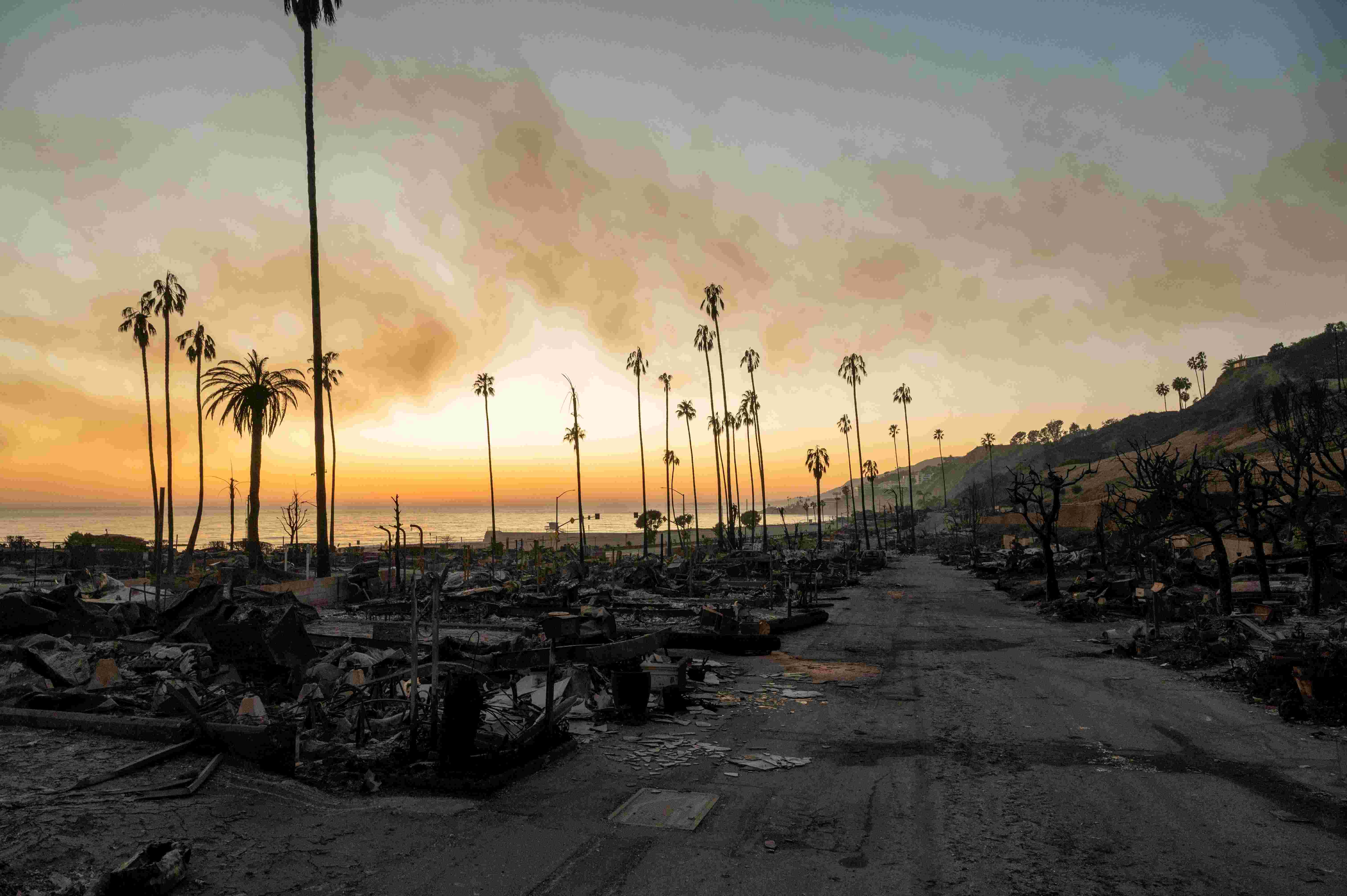
The City of Malibu has filed a sweeping civil complaint against the state, LA city and county and other agencies to recover at least $250 billion in financial and environmental losses from the Palisades Fire, a disaster the city contends was foreseeable and preventable.
The lawsuit, filed Wednesday by Quinn Emanuel Urquhart & Sullivan LLP partner Christopher Tayback, asserts causes of action for dangerous conditions of public property, public nuisance and inverse condemnation, and includes a demand for jury trial. City of Malibu v. State of California et al., no case number (L.A. Super. Ct., filed Feb. 17, 2026).
Named defendants include the State of California; the California Department of Parks and Recreation; the City of Los Angeles, acting by and through the Los Angeles Department of Water and Power (LADWP); the City of Los Angeles; the County of Los Angeles; the Mountains Recreation and Conservation Authority; and the Santa Monica Mountains Conservancy.
In announcing the action, city officials emphasized the scale of destruction and the fiscal consequences for the coastal community, with its unique attributes described in the introduction of the 66-page complaint.
The Palisades Fire that started Jan. 7, 2025, caused widespread destruction throughout Malibu, including the loss of homes, businesses, public facilities and critical infrastructure. The city reported damage to roads, stormwater systems, public buildings and open-space lands, as well as significant disruption to tourism, employment and local revenue.
Detailing a string of famous oceanfront restaurants that were burned to the ground, the complaint said some estimates place the broader economic loss as high as $250 billion and asserted that the costs and consequences continue.
"This decision was not made lightly," Mayor Bruce Silverstein said in an announcement posted on the city's website. "The lawsuit seeks accountability for the extraordinary losses suffered by our community while recognizing that Malibu must continue to work collaboratively with our regional partners going forward."
The complaint paints a vivid picture of the community before the fire. "Plaintiff the City of Malibu is known for its natural beauty, stunning coastlines, abundant parkland and hiking trails, and breathtaking ocean views," the lawsuit states. "Its location provides its residents and visitors with the unique ability to experience a small town feel and abundant outdoor recreation while being within commuting distance to the economic hub of the City of Los Angeles and the greater Los Angeles County."
That character, the city alleges, was irrevocably altered. "But the City of Malibu's entire character changed on January 7, 2025, when Defendants' unlawful conduct caused the Palisades Fire to ignite and spread into the Malibu community, claiming a dozen lives, including at least six in Malibu, and injuring numerous civilians and firefighters."
The complaint continued, "The Palisades Fire also destroyed over 700 homes and dozens of businesses in Malibu." More than a year after the fire, it added, "The City of Malibu is still reeling from the destruction it left in its wake: a hollowed-out community, burned and destroyed buildings and homes, a shrinking tax base, emotionally and physically scarred citizens and untold environmental damage."
Malibu alleges that state and local agencies ignored mounting warnings about fire danger. According to the complaint, "In 2025, LADWP received warning after warning of the likelihood that a mega-wildfire would threaten Los Angeles County, including the Pacific Palisades and Malibu." The pleading cites months of drought, heavy vegetation growth and well-known Santa Ana wind conditions that are "not abnormal or unforeseeable."
The lawsuit accuses the state of failing to properly inspect and remediate a prior burn area in Topanga State Park. "Shockingly, the State elevated rare plants over human lives in failing to inspect and address the dangerous burn scar from the Lachman Fire that ignited just days before on its own land - its smoldering embers remaining clearly visible to anyone who cared to look."
It further alleges that state employees "actively worsened that danger by interfering with firefighters' efforts to extinguish and remove material from the burn scar in order to prevent reignition."
As to the City of Los Angeles and its utility, the complaint alleges systemic infrastructure failures. "The Palisades Fire was also the foreseeable and proximate result of conscious and deliberate policy decisions by the City of Los Angeles (the 'City') and the Los Angeles Department of Water and Power ('LADWP') to leave reservoirs empty for over a year, fail to provide for the maintenance of essential firefighting infrastructure, and adopt a cost-saving approach that shifted risk onto surrounding communities, including Plaintiff."
The lawsuit claims that in January 2024 LADWP discovered a tear in the cover of the Santa Ynez Reservoir, drained it and delayed repairs. "The reservoir was still empty when the Palisades Fire began." The suit says the tear could have been repaired by the utility's thousands of personnel, but instead the job was contracted out for more than $100,000 and not done.
The suit also alleges, "Defendants' conscious decision not to de-energize power, despite winds of over 80 to 100 miles per hour, led to combinations of overhead power lines arcing, power poles breaking, and transformers exploding--clear consequences of LADWP's choice to leave its equipment energized."
Malibu seeks compensation for property damage, lost tax revenues and costs of emergency response and environmental restoration. The complaint requests, among other relief, damages for "loss or interruption of direct revenues, including losses in property taxes, sales taxes and use taxes, and transient occupancy taxes," as well as attorney fees and prejudgment interest.
Laurinda Keys
laurinda_keys@dailyjournal.com
For reprint rights or to order a copy of your photo:
Email
Jeremy_Ellis@dailyjournal.com
for prices.
Direct dial: 213-229-5424
Send a letter to the editor:
Email: letters@dailyjournal.com