


Technology
Feb. 24, 2026
xAI's lawsuit against OpenAI dismissed with leave to amend
U.S. District Judge Rita F. Lin dismissed xAI's trade secrets lawsuit against OpenAI, finding no plausible allegations of inducement or misuse, but granted leave to amend the complaint by March 17.


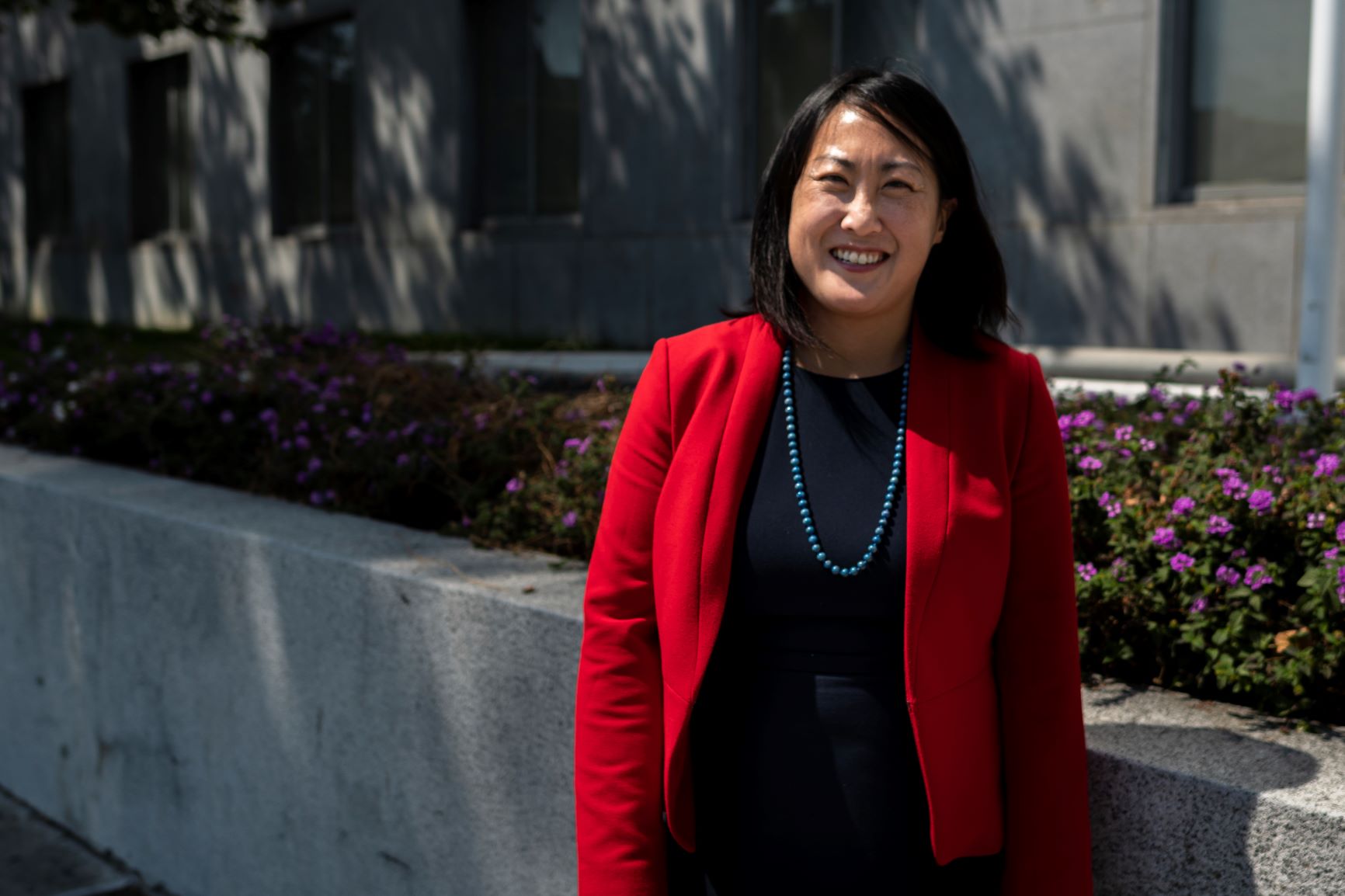
U.S. District Judge Rita F. Lin dismissed xAI's lawsuit against OpenAI, which claimed the defendant company conspired to poach former xAI employees to steal trade secrets.
In a 15-page order Tuesday, Lin said that xAI hadn't shown any wrongdoing on the part of its competitor. Lin granted xAI, which is represented by Winston & Strawn LLP, leave to amend the complaint.
OpenAI is represented by Munger, Tolles & Olsen LLP.
"Notably absent are allegations about the conduct of OpenAI itself," Lin wrote. "xAI does not allege any facts indicating that OpenAI induced xAI's former employees to steal xAI's trade secrets or that these former xAI employees used any stolen trade secrets once employed by OpenAI. While xAI may state misappropriation claims against a couple of its former employees, it does not state a plausible misappropriation claim against OpenAI, which is the sole defendant in this case." X.AI Corp. et al v. OpenAI, Inc. et al, 3:25-cv-08133 (N.D. Cal., filed Sept. 24, 2025).
xAI, the AI branch of the Elon Musk-owned social media platform X, pointed to eight former employees recruited by OpenAI around the same time, including two whom it accused of copying the company's source code onto personal devices before leaving. The company cited meetings the duo had with OpenAI recruiters before allegedly downloading the source code and claimed OpenAI violated the Defend Trade Secrets Act and California's Unfair Competition Law.
Lin said that xAI couldn't provide evidence that OpenAI misused its company secrets and instead relied on the claim that its competitor urged the employees to steal its source code.
"But xAI offers no nonconclusory allegations that permit a reasonable inference of inducement. For example, while Li and Fraiture transferred xAI's source code onto their personal devices, there is no indication that OpenAI told or encouraged them to do so," Lin wrote.
At a hearing on the motion to dismiss, xAI's attorneys argued that they wouldn't have evidence of OpenAI urging the actions until discovery, and that they sufficiently proved their theory was plausible. Lin said that argument doesn't hold up even when offering xAI a favorable reading of the facts in the case.
"Yes, several employees took its confidential information at around the same time and before leaving to work for OpenAI, and two of those employees communicated with the same OpenAI recruiter using an encrypted messaging application around the time of their exfiltration and their exploration of a move to OpenAI," Lin wrote. "Without more, though, those allegations are insufficient to support a plausible inference that OpenAI encouraged the alleged theft."
Lin also rejected a vicarious liability claim, saying the former employees didn't work at OpenAI when the alleged misappropriation took place, and xAI offers no evidence they used the trade secrets while working at OpenAI.
Lin rejected the unfair competition claims on the grounds that they rely on the misappropriation allegations, which she says xAI didn't sufficiently show.
xAI has until March 17 to submit an amended complaint, which can't include new claims, Lin ruled.
The case is separate from Musk's lawsuit against OpenAI founder Sam Altman, whom he alleges solicited donations under the guise the company planned to remain a nonprofit. That case is in front of U.S. District Judge Yvonne Gonzalez Rogers, who said it's likely to head to trial.
Daniel Schrager
daniel_schrager@dailyjournal.com
For reprint rights or to order a copy of your photo:
Email
Jeremy_Ellis@dailyjournal.com
for prices.
Direct dial: 213-229-5424
Send a letter to the editor:
Email: letters@dailyjournal.com