


Litigation & Arbitration,
International Law,
Alternative Dispute Resolution
Feb. 26, 2026
California International Arbitration Week: Global disputes are a local reality
The question is not whether you will encounter international arbitration in California; it is whether you will be ready when you do.


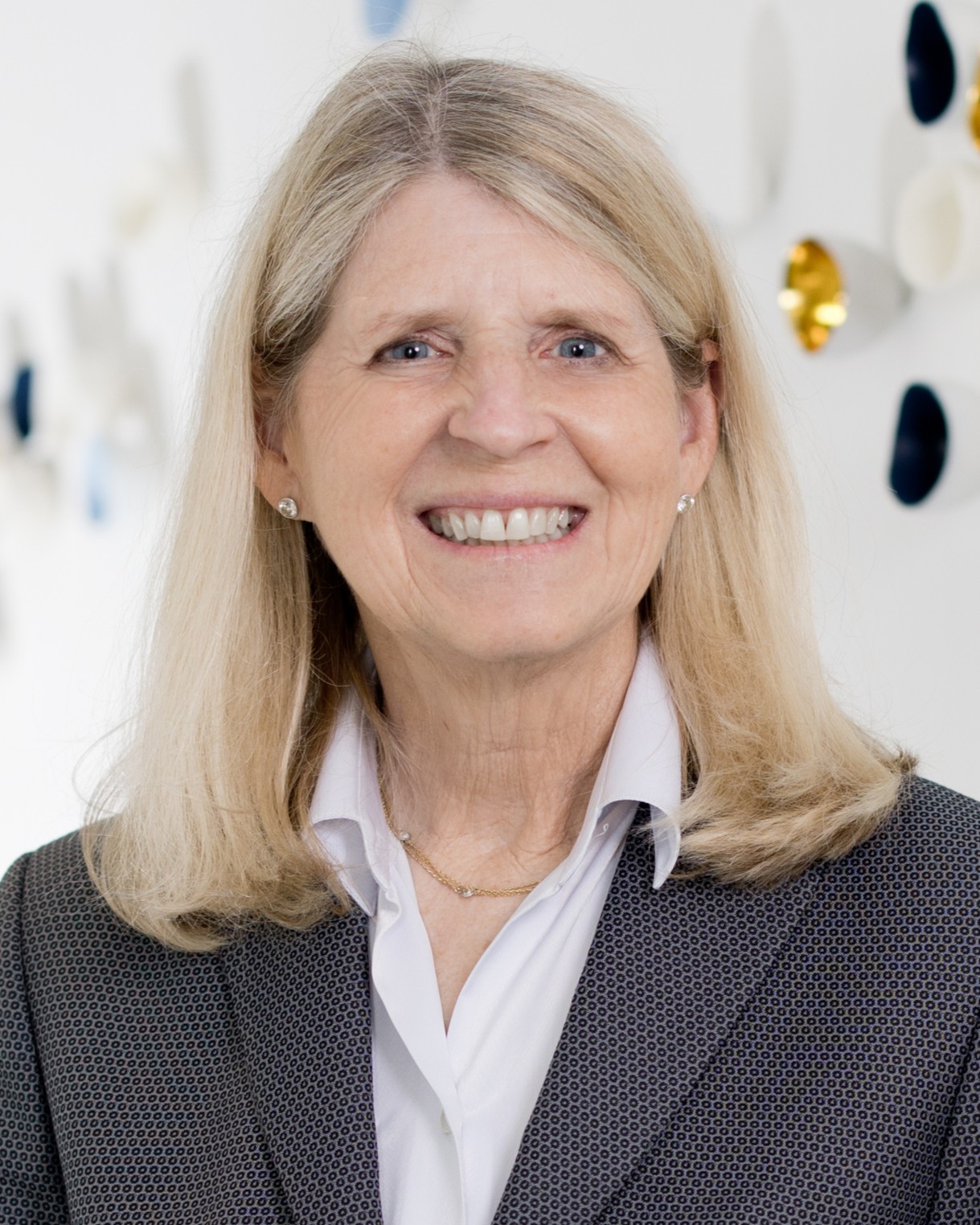
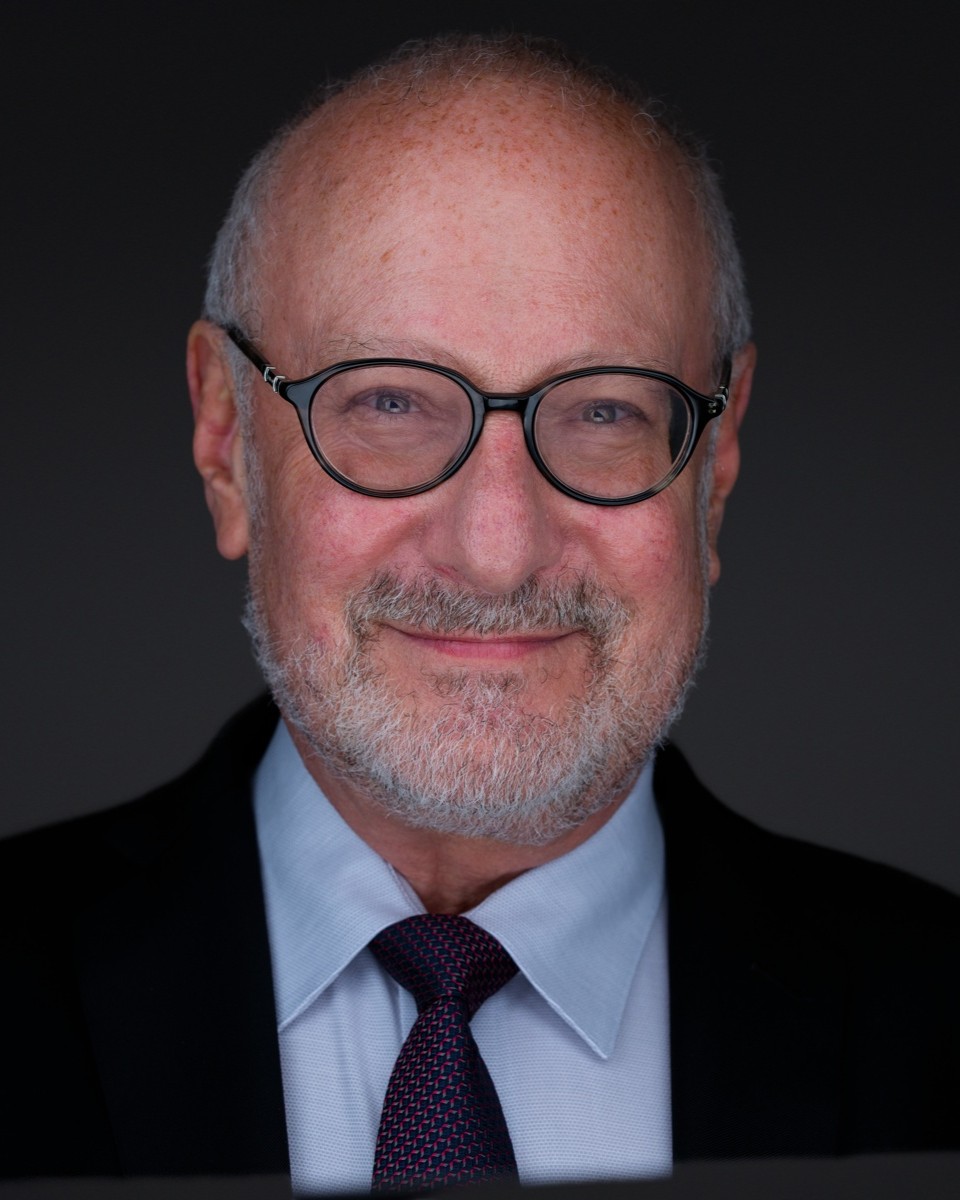
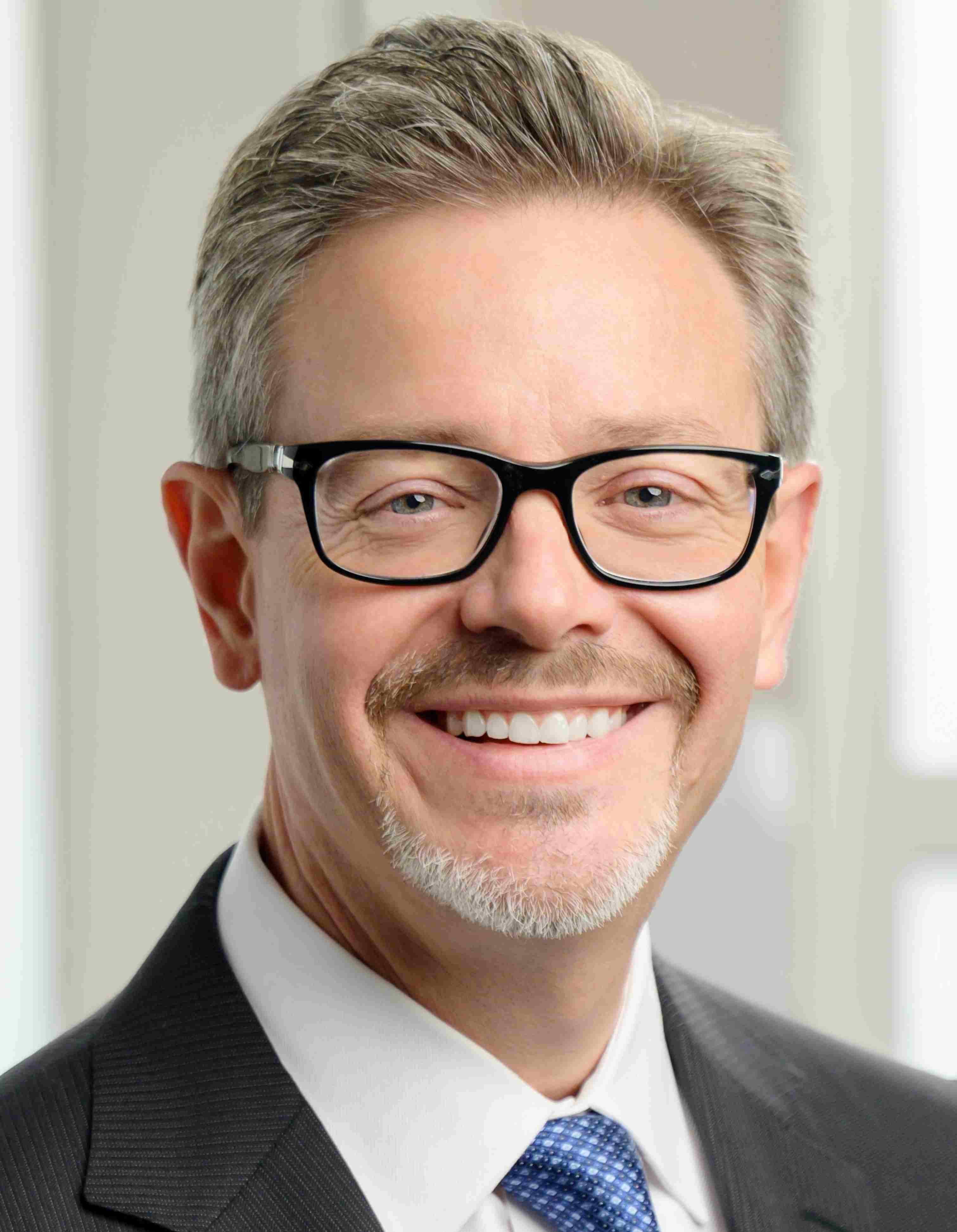
Marcus Salvato Quintanilla
Marcus Salvato Quintanilla is a mediator and arbitrator and a member of FCIArb.

California lawyers practice in one of the most globally
connected economies in the world. Our clients manufacture overseas, invest
across borders, source materials internationally and enter
into contracts with counterparties in Asia, Europe, Latin America and
beyond. Even businesses that consider themselves local are often part of a
global supply chain.
In this environment, international arbitration is a
practical reality.
Many California attorneys will encounter international
arbitration because they are involved in an international commercial
transaction or a cross-border contract dispute lands on their desk. A familiar
commercial disagreement over issues such as distribution rights, technology
licensing, joint ventures, supply agreements or investment terms suddenly
implicates a foreign party and an arbitration clause. What might otherwise have
proceeded in state or federal court instead becomes an international arbitration
governed by a different legal framework.
International arbitration is not simply domestic
arbitration with a foreign address. It operates under a unique system shaped by
international treaties, federal law and, in some instances, California's own
international arbitration statute. It raises different procedural expectations,
approaches to evidence and experts, and cultural considerations. And
critically, it offers something that domestic litigation cannot: globally
enforceable awards.
You do not need to practice at a global megafirm to
encounter cases like these. In fact, many international arbitration matters are
handled by experienced business litigators who find themselves navigating
unfamiliar terrain because an arbitration clause was embedded in a client's
contract.
The question is not whether you will encounter
international arbitration in California; it is whether you will be ready when
you do.
This is why California International Arbitration Week 2026
is an invaluable event for the modern practitioner.
A boot camp for international arbitration
From March 9-12, 2026, at the Omni Hotel in San Francisco,
the 5th Annual California International Week conference will bring together
leading arbitrators, practitioners, institutions and in-house counsel from
around the world. With 22 panels, 22 hours of MCLE and five nights of stellar
evening networking events, the week is designed to provide both substantive
education, meaningful connections and fun.
The conference's programming reflects both foundational
and forward-looking themes offered by leading international arbitrators from
around the world including the International Chamber of Commerce (ICC),
American Arbitration Association/International Centre for Dispute Resolution
(AAA/ICDR), Hong Kong International Arbitration Centre (HKIAC), JAMS, Singapore
International Arbitration Centre (SIAC) and arbitral institutions from Canada,
China, Japan and Mexico. Panels include
the following:
• "The Use and Misuse of Experts in International
Arbitration," presented by California Arbitration, will give us insights from
the expert witness' perspective on best practices for selecting, preparing and
presenting expert evidence, as well as common pitfalls that can undermine
credibility before an international tribunal.
• "From Napa to Niigata: Uncorking Cross-Border Disputes
Over Wine, Sake and Other Beverages," presented by the Japan Commercial
Arbitration Association, will use the global beverage industry as a lens through
which to explore how international trade, distribution and intellectual
property disputes play out in arbitration.
• "When the World Shifts: Navigating Geopolitical Risk,
Energy Transition and Climate Disputes in Arbitration," presented by JAMS, will
examine how global instability and the energy transition are reshaping
international disputes.
• "Quantum Computing: The Next Legal Frontier Beyond AI,"
presented by the Silicon Valley Arbitration & Mediation Center, will explore
how emerging quantum technologies could transform data security, encryption and
evidence in international disputes.
• "Reimagining Efficiency: Innovations Shaping the Future
of ADR," presented by SIAC, will focus on how institutions such as SIAC and
JAMS are working to maximize efficiency in arbitral proceedings.
Each evening will feature events that bring together
speakers and attendees in an inclusive setting, creating opportunities to meet
many of the most prominent arbitrators in California and from across the globe.
This includes a social event hosted by JAMS at the Exploratorium and a trivia
night presented by Young California Arbitration. The conference will end with an optional
daylong wine-tasting trip in Napa Valley. For lawyers who may handle
international matters only occasionally, this kind of concentrated exposure is
an opportunity to gain fluency and understanding quickly and confidently.
International arbitration is not domestic arbitration
At the center of international arbitration is the New York
Convention, a treaty adopted by more than 170 countries that provides for the
recognition and enforcement of arbitral awards across borders. Unlike U.S.
court judgments, which can be difficult or even impossible to enforce abroad,
international arbitration awards are generally enforceable worldwide under a
common framework. For clients engaged in global business, that predictability
can be decisive.
In the United States, Chapter 2 of the Federal Arbitration
Act implements the New York Convention. California has also adopted its own
international arbitration statute based on the United Nations Commission on
International Trade Law (UNCITRAL) Model Law, widely regarded as the
international gold standard. While federal law often governs, California's
decision to align itself with UNCITRAL reflects the state's recognition of the
importance of international dispute resolution in a global economy.
For practitioners, these distinctions matter.
International arbitration may involve different expectations about evidence,
experts, discovery, confidentiality and the role of the tribunal. It may
require bridging cultural and linguistic differences between parties and
counsel. The adjudicator is not simply a domestic arbitrator in a different
forum; the proceeding itself reflects a global framework.
For California lawyers accustomed to domestic litigation
or arbitration, international arbitration can feel like a different dialect of
a familiar language. The core advocacy skills translate, but they must be
adapted.
Build international arbitration fluency now
International arbitration is not a niche specialty
reserved for a handful of global firms. It is an increasingly common feature of
cross-border commerce. For California lawyers advising businesses of any size,
understanding its framework is essential.
You may be better off in arbitration than litigation in a
cross-border dispute. You may need to evaluate or draft an arbitration clause.
You may find yourself representing a client in a proceeding seated in
California but involving parties from multiple continents.
When that happens, familiarity matters.
California International Arbitration Week offers an
opportunity to build that familiarity alongside colleagues, institutions and
arbitrators who are helping define the future of the field.
We invite you to join us in San Francisco, March 9-13,
2026, and become part of that conversation.
For more details visit 2026
California International Arbitration Week - California Lawyers Association (https://calawyers.org/2026-california-international-arbitration-week/).
Submit your own column for publication to Diana Bosetti
For reprint rights or to order a copy of your photo:
Email
Jeremy_Ellis@dailyjournal.com
for prices.
Direct dial: 213-229-5424
Send a letter to the editor:
Email: letters@dailyjournal.com