


Slideshow,
Community News
May 7, 2026
Justice Bendix honored by L.A. County bar's ADR section
The event marked the section's first formal recognition of a legal professional whose work has significantly advanced the development and practice of alternative dispute resolution.


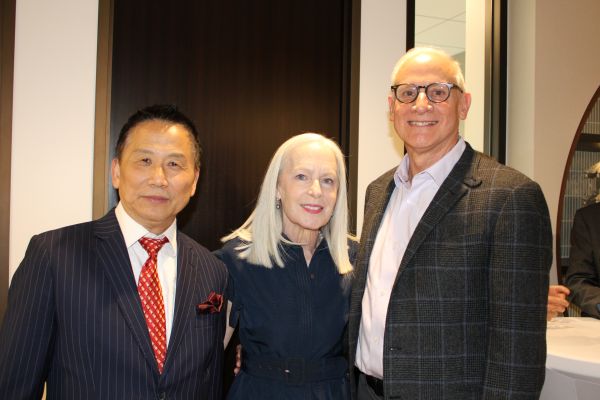
Steve Q. Qi of Law Offices of Steve Qi & Associates, 2nd District Court of Appeals Justice and "ADR Distinguished Service Award" honoree Helen I. Bendix and (Ret.) Judge Paul A. Bacigalupo of ADR Services Inc.
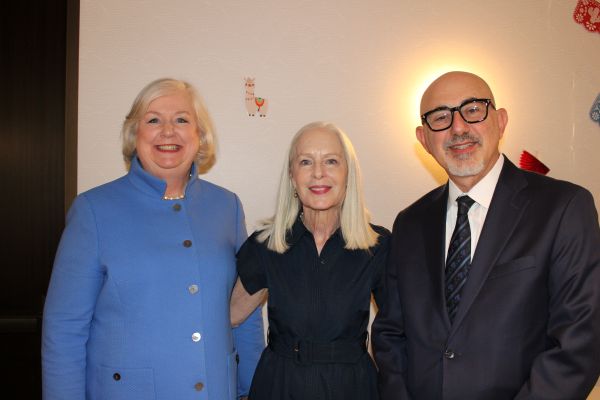
Superior Court Judge Mary Ann Murphy, 2nd District Court of Appeals Justice and "ADR Distinguished Service Award" honoree Helen I. Bendix and (Ret.) Judge Zaven V. Sinanian of Signature Resolution
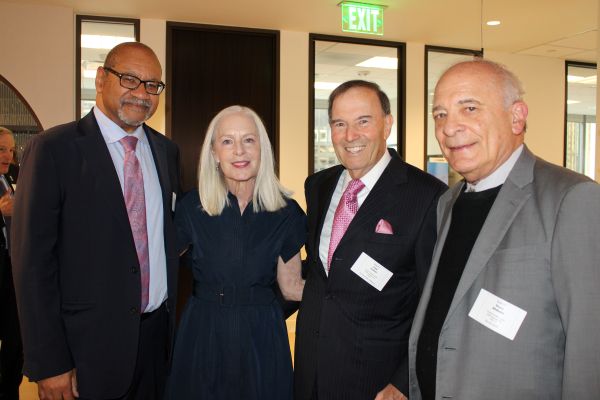
Superior Court Judge James I. Montgomery, 2nd District Court of Appeals Justice and "ADR Distinguished Service Award" honoree Helen I. Bendix, Gary S. Greene of Beverly Hills and Bruce J. Altshuler of Altshuler & Spiro APC
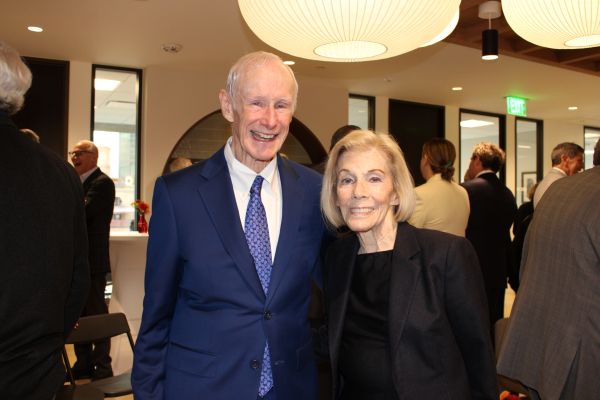
(Ret.) Judge Michael C. Solner of ADR Services Inc. and U.S. District Judge Christina A. Snyder
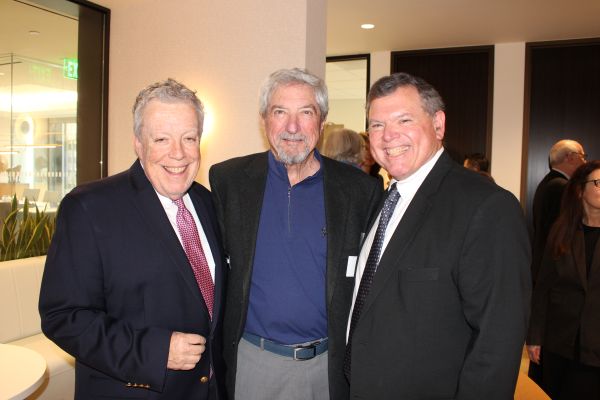
(Ret.) Judge David A. Rosen of ADR Services Inc., (Ret.) Judge Louis M. Meisinger of Signature Resolution and James M. Burgess of Burgess Law Corporation
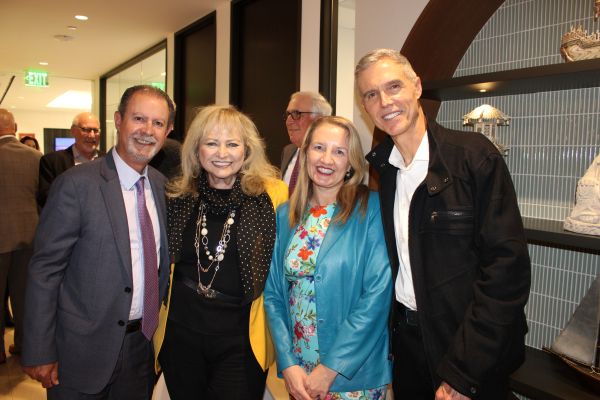
Steven M. Sepassi of ADR Services Inc.; Lucie Barron, founder and president of ADR Services Inc., Angela A. Zanin of Lewis Brisbois Bisgaard & Smith LLP and Michael R. Diliberto of Diliberto ADR

Misty M. Sanford of Willkie Farr & Gallagher LLP and Erik Kronstadt of Accenture
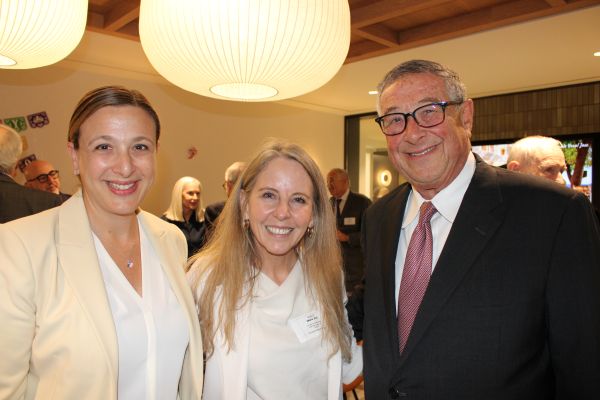
Elizabeth Freinberg, General Counsel at LA28 Olympics; Superior Court Judge Maria Jhai and Mark A. Neubauer of Carlton Fields
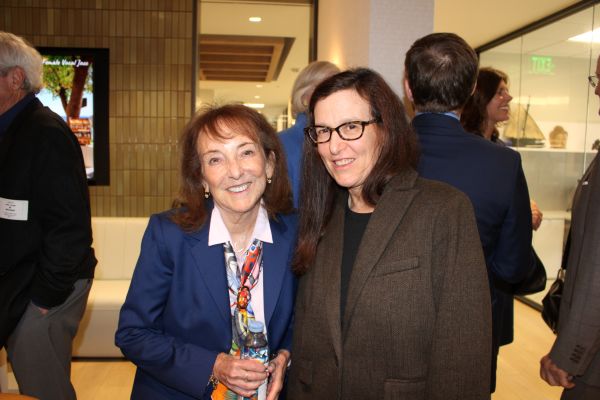
Claudia N. Ribet of Ribet & Silver and Mimi S. Keller, 2nd District Court of Appeals lead research attorney, Division One

Claudia N. Ribet of Ribet & Silver and Mimi S. Keller, 2nd District Court of Appeals lead research attorney, Division One
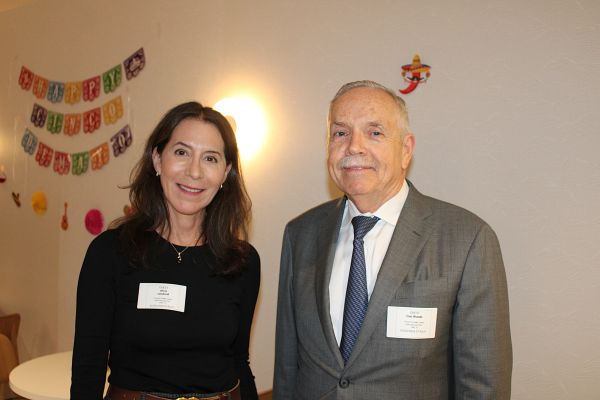
Alicia E. Sandoval of Richardson Ober and Daniel J. Woods of Musick Peeler & Garrett LLP
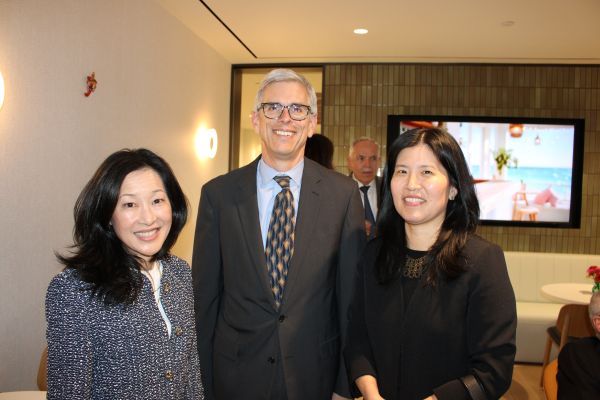
2nd District Court Justices Audra M. Mori, Gregory J. Weingart and Michelle C. Kim
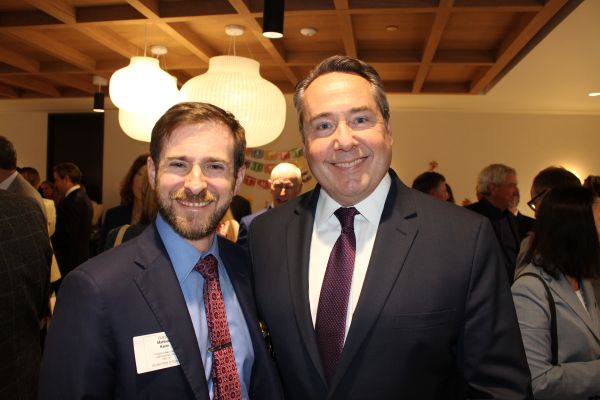
Matthew D. Kanin of Ruttenberg Cutler Broomer LLP and Christopher J. Heck of Ervin Cohen & Jessup LLP
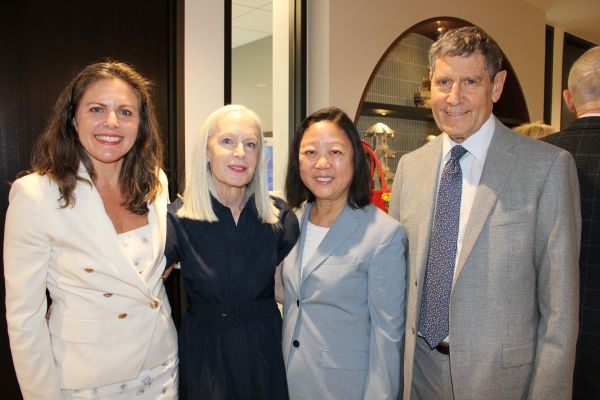
Superior Court Judge Jessica C. Kronstadt, 2nd District Court of Appeals Justice and “ADR Distinguished Service Award” honoree Helen I. Bendix, Superior Court Judge Ruth A. Kwan and U.S. District Judge John A. Kronstadt

ADR Services Inc. mediators John B. Golper and (Ret.) Judge Elizabeth R. Feffer
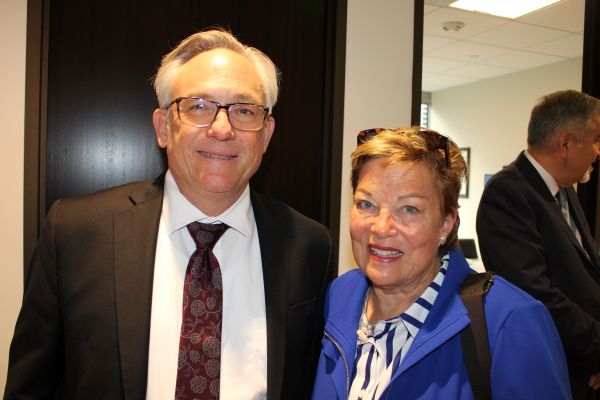
Rudy R. Perrino of Kutak Rock LLP and Lottie W. Cohen of Los Angeles
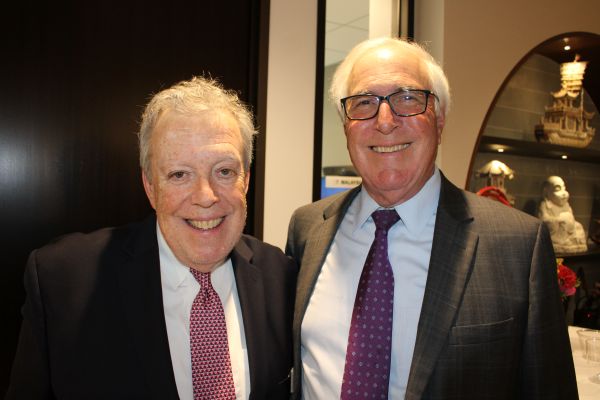
(Ret.) Judges and ADR Services Inc. mediators David A. Rosen and Steven J. Kleifield
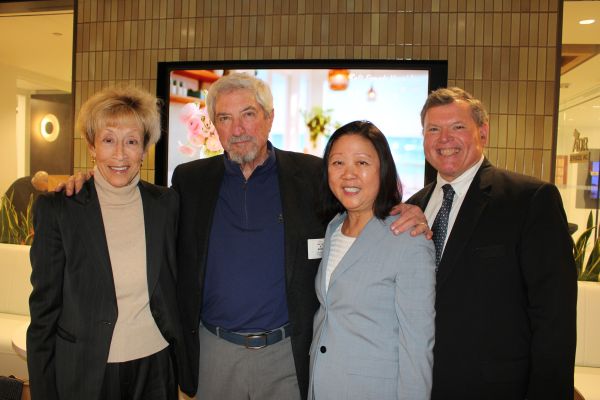
Patricia L. Glaser of Glaser Weil Fink Howard Jordan & Shapiro LLP, (Ret.) Judge Louis M. Meisinger of Signature Resolution, Superior Court Judge Ruth A. Kwan and James M. Burgess of Burgess Law Corporation

Jeffery J. Daar of Daar & Newman and Thomas P. Feher of Thomas Feher Mediation PC
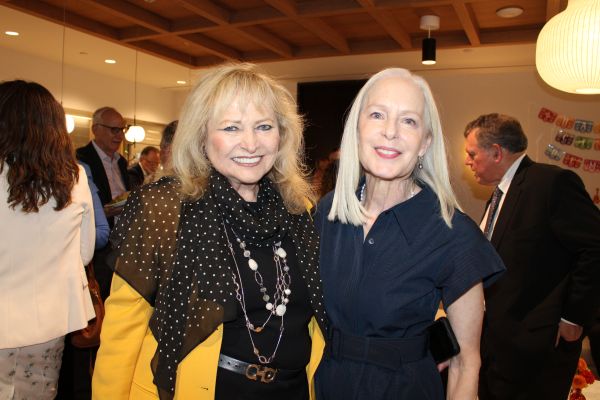
2nd District Court of Appeals Justice and “ADR Distinguished Service Award” honoree Helen I. Bendix and Lucie Barron, founder and president of ADR Services Inc.
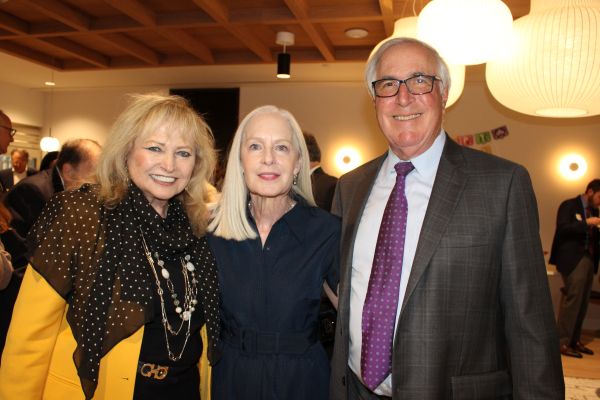
2nd District Court of Appeals Justice and “ADR Distinguished Service Award” honoree Helen I. Bendix; Lucie Barron, founder and president of ADR Services Inc.; and (Ret.) Judge Steven J. Kleifield of ADR Services Inc.
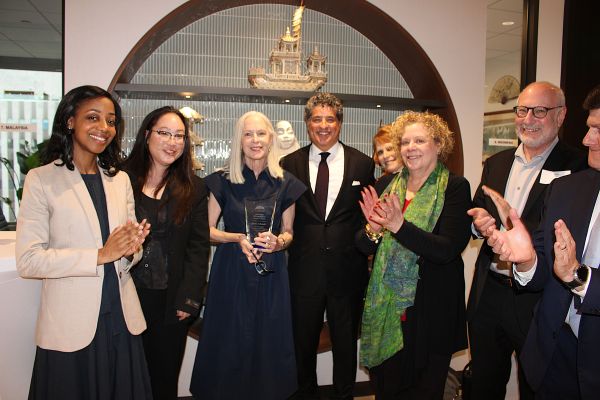
2nd District Court of Appeals Justice Helen I. Bendix (center) receiving the “ADR Distinguished Service Award”

Lucie Barron, founder and president of ADR Services Inc.; JAMS’ mediator and arbitrator Richard H. Chernick; 2nd District Court of Appeals Justice and honoree Helen I. Bendix, and (Ret.) Judge Louis M. Meisinger of Signature Resolution
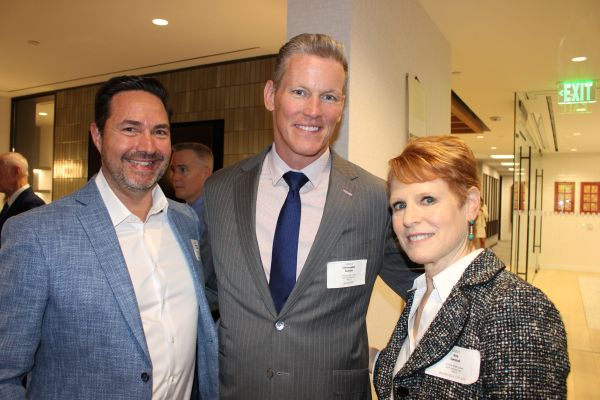
Andrew O. Smith of Andrew Smith Mediation, Christopher T. Aumais of Aumais Law and Amy Semmel of Semmel ADR
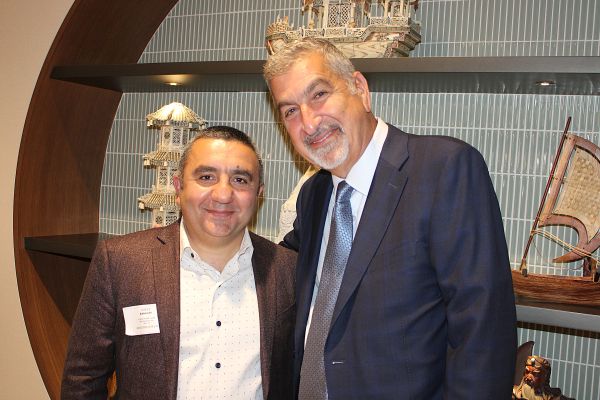
Kahren Harutyunyan of Balaban & Spielberger LLP and (Ret.) Judge Gregory Keosian of ADR Services Inc.
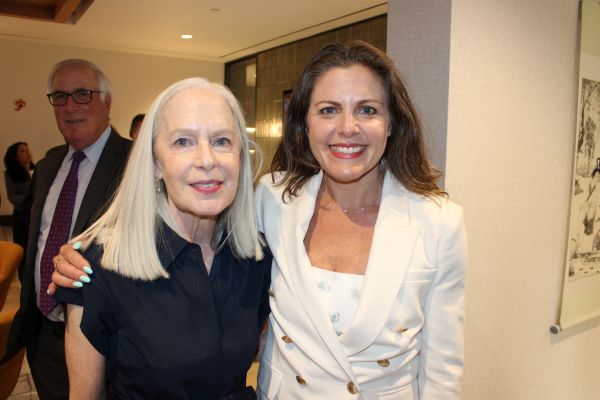
2nd District Court of Appeals Justice and "ADR Distinguished Service Award" honoree Helen I. Bendix and Superior Court Judge Jessica C. Kronstadt
LOS ANGELES - The Los Angeles County Bar Association's Alternative Dispute Resolution Section honored Associate Justice Helen I. Bendix of the 2nd District Court of Appeal on Tuesday evening at ADR Services Inc.'s main offices in downtown Los Angeles, presenting her with its inaugural ADR Distinguished Service Award.
The event marked the section's first formal recognition of a legal professional whose work has significantly advanced the development and practice of alternative dispute resolution.
Bendix, who serves in Division One, was recognized for a career spanning more than two decades on the Los Angeles Superior Court and for her leadership in court-connected settlement efforts.
Before her elevation to the Court of Appeal, Bendix served for over 20 years as a trial judge, including as supervising judge of the Superior Court's Mandatory Settlement Courts, where she played a central role in managing civil caseloads and promoting early resolution of disputes. Her influence extended beyond the courtroom: she chaired the Superior Court's ADR Committee and led the ADR Subcommittee of the Judicial Council's Civil and Small Claims Advisory Committee, helping shape statewide ADR policy.
ADR Services Inc. founder and President Lucie Barron, who introduced Bendix at the ceremony, described her career as "a very clear story -- one of impact, scale and dedication."
"As a trial judge, she was deeply engaged in settlement work, personally helping resolve more than a thousand cases," Barron said. "That alone would be a remarkable contribution."
Barron credited Bendix with helping build court-connected systems that resolved thousands more disputes and trained generations of mediators.
"These programs didn't just move cases along," Barron said. "They strengthened the role of ADR within the courts itself."
Barron said she first met Bendix during the early years of ADR's growth in the private sector, when ADR Services supported the Superior Court's pro bono settlement program. What stood out immediately, she said, was Bendix's personal investment in the work.
"Neutrals were donating their generous time on substantial matters, and she was right there alongside them," Barron said. "Deeply engaged in the work and fully invested in making these programs succeed."
Barron also compared Bendix's long tenure in ADR to that of former New York Yankees shortstop Derek Jeter, citing her consistency, leadership and influence on the field.
"She was there when the field was taking shape, and she helped move it forward by building systems, resolving cases and setting a standard others continue to follow," Barron said.
Accepting the award, Bendix opened her remarks by explaining that she was reading from prepared notes because she was not the "extemporaneous speaker" in her family, which includes her husband, U.S. District Judge John A. Kronstadt, and daughter, Superior Court Judge Jessica C. Kronstadt. She then referenced a recent mindfulness message circulated by the California Judges Association that urged judges to "do what makes your soul shine."
"Beautiful music making is not just about the printed notes," Bendix said. "It requires active listening, generosity, education and great patience. Successful ADR shares these attributes."
Bendix, who plays violin and viola, said both music and dispute resolution depend on interpretation, collaboration and the ability to listen closely.
"Counsel, the parties and the neutral must actively listen to discern the key to settlement," she said. "They must put aside the need to be right, and instead be an ally in the settlement process."
Bendix traced her introduction to ADR to the late 1980s, when she worked at Gibson Dunn and was introduced to the emerging field by mediator Richard Chernick. She recalled volunteering through the Los Angeles County Bar Association's early mediation programs and quickly becoming immersed in the work.
"From then, I was infected with the ADR bug," she said.
She credited former Los Angeles Superior Court Judge Elihu Berle with helping create what she called an "ADR toolbox" within the Superior Court that became a model nationally and internationally. Bendix later chaired the court's ADR committee after Berle stepped down.
Bendix also reflected on her years as a full-time settlement judge, describing them as the period in which she "played my best judicial concert."
"I had the privilege of working with excellent trial counsel and bringing peace to parties who otherwise would have been in wars they didn't want," she said.
At one point during her remarks, Bendix became emotional while holding up a pair of baby booties made for her by a terminally ill asbestos plaintiff whose case she had helped settle.
"I don't think there are any words for such kindness," she said.
Now serving on the Court of Appeal, Bendix said she hopes to expand the use of ADR within the 2nd District and encouraged members of the legal community interested in developing appellate ADR opportunities to contact her.
Bendix concluded by thanking what she called a room full of "peacemakers" and describing ADR as a force for stability in an increasingly divided society.
"These are rare gifts to the public in an increasingly fractured society," she said. "The same can be said of ADR."
Ricardo Pineda
ricardo_pineda@dailyjournal.com
For reprint rights or to order a copy of your photo:
Email
Jeremy_Ellis@dailyjournal.com
for prices.
Direct dial: 213-229-5424
Send a letter to the editor:
Email: letters@dailyjournal.com