


Slideshow,
Community News
May 8, 2026
Judges warn of mounting strain on California courts at defense counsel seminar
At the Association of Southern California Defense Counsel's annual seminar in Los Angeles, judges and appellate specialists highlighted surging civil caseloads, staffing shortages, discovery disputes and AI-related litigation concerns, while attorneys and jurists also discussed mentorship and advancement within the legal profession.


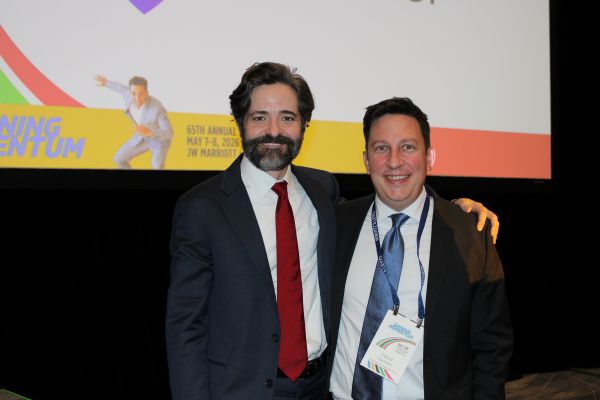
"Year in Review" panelists Stefan C. Love and David E. Hackett of Greines Martin Stein & Richland LLP
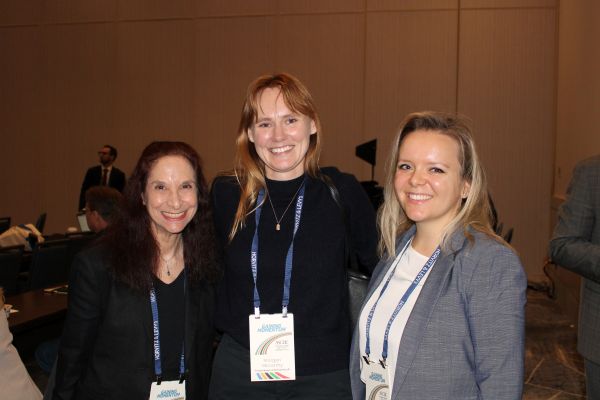
Janette S. Bodenstein of Nemecek & Cole, Morgan McCarthy of Haight Brown & Bonesteel LLP and Nina M. Niedbalski of Nemecek & Cole
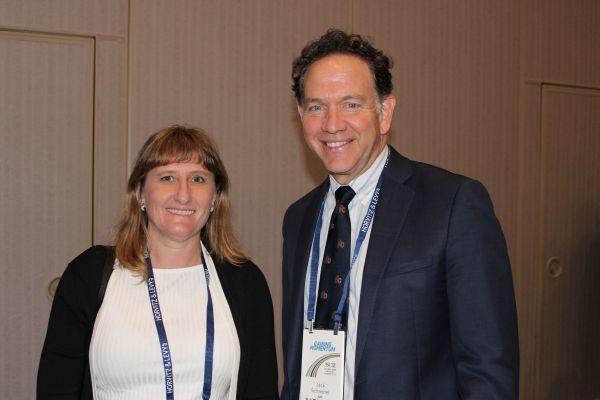
Tina Robinson of Plain Legal PC and Jack P. Schaedel of Schaedel Resolution
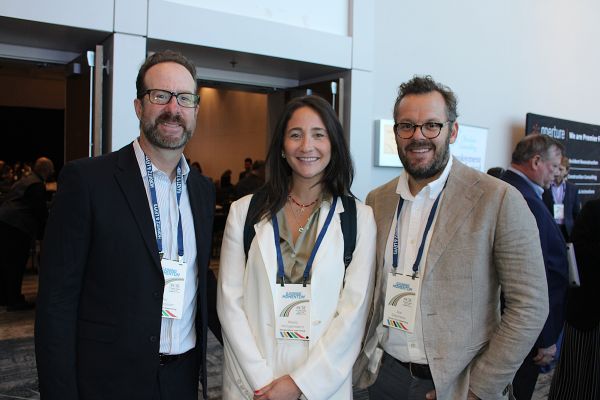
Ari Monosson of Steno Court Reporting, Alexis T. Morgenstern of Morgenstern Law Group and Joe Stephens of Steno Court Reporting
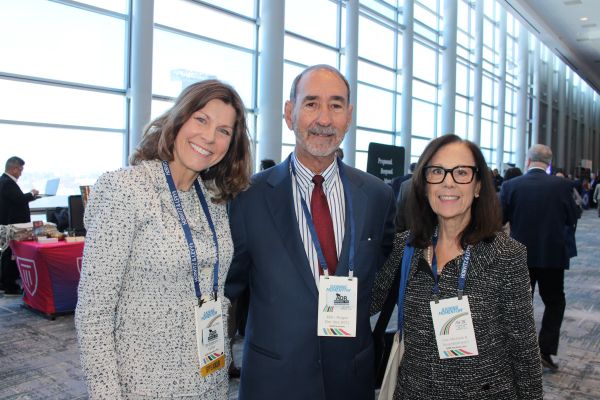
(Ret.) Judges Elizabeth R. Feffer, Roger T. Benitez and Michelle J.R. Rosenblatt of ADR Services Inc.
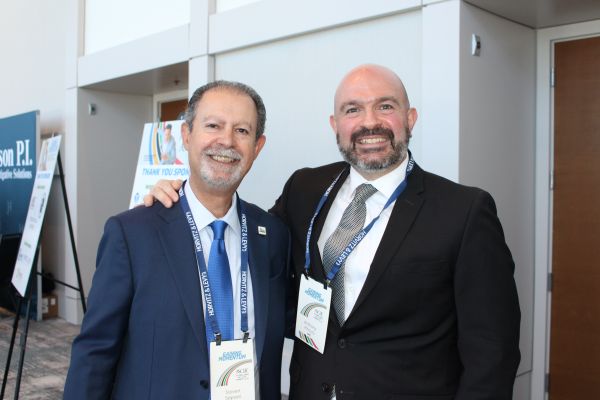
(Ret.) Judge Steven M. Sepassi of ADR Services Inc. and Anthony S. Khoury of ARC Alternative Resolution Center
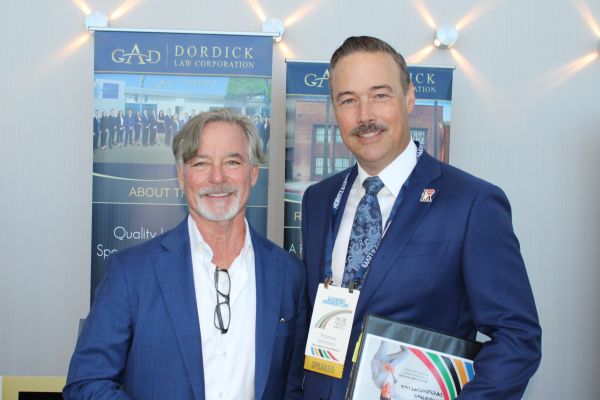
Gary A. Dordick of Dordick Law Corporation and Johnston & Hutchinson LLP’s Thomas J. Johnston, president of ABOTA Los Angeles Chapter
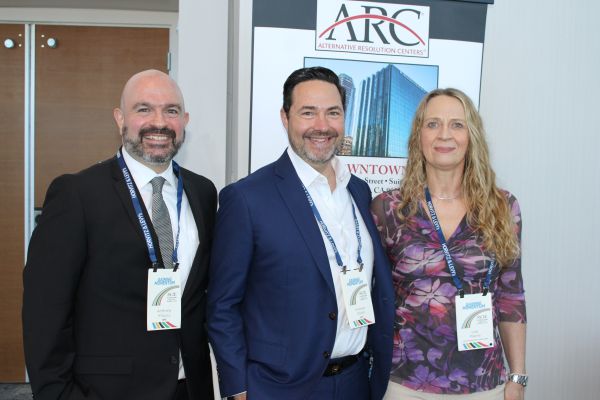
ARC Alternative Resolution Center’s Anthony S. Khoury, Andrew O. Smith and Lisa Payne, Business Development Manager
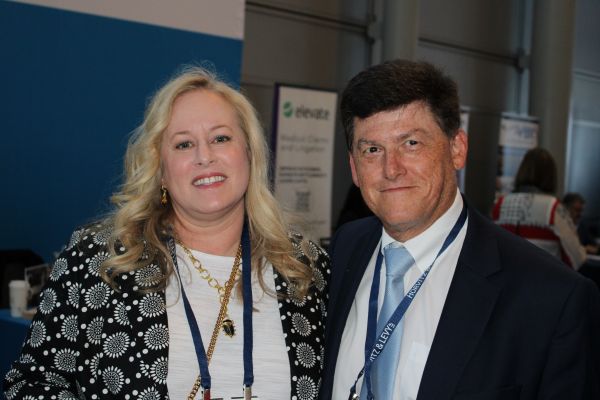
ASCDC’s Vice President Lindy F. Bradley of Lagasse Branch Bell + Kinkead LLP and Thomas P. Feher of Thomas Feher Mediation PC
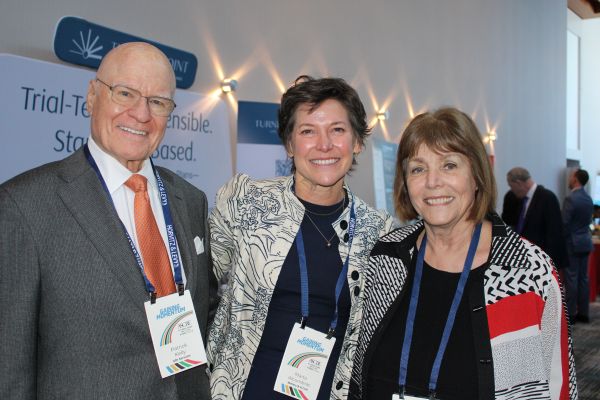
Patrick M. Kelly of ADR Services Inc., Marta A. Alcumbrac of Nemecek & Cole and (Ret.) Judge Rita J. Miller of ADR Services Inc.
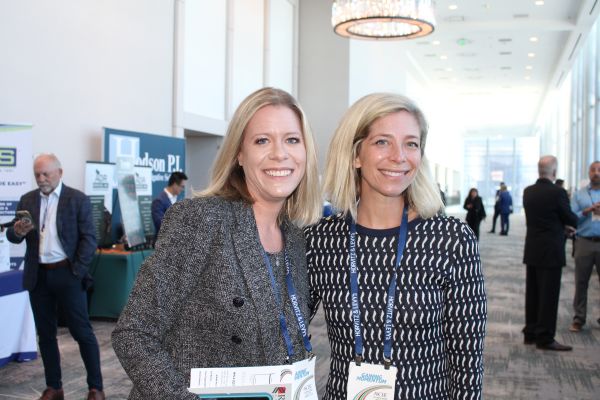
Danielle Butler of Support Claim Services and Natalie Reis of Engineering Systems Inc.
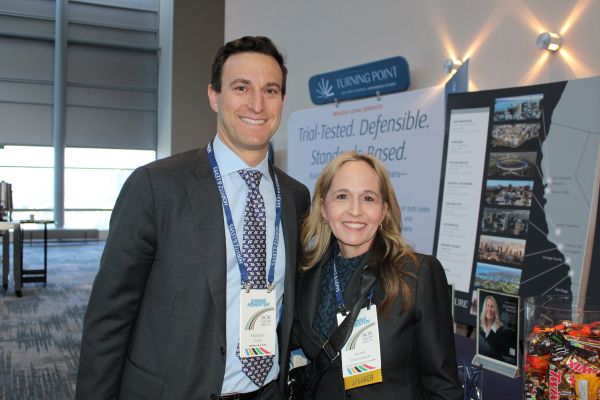
Marshall R. Cole of Nemecek & Cole and Annie Thompson of Lawyers' Mutual Insurance Company
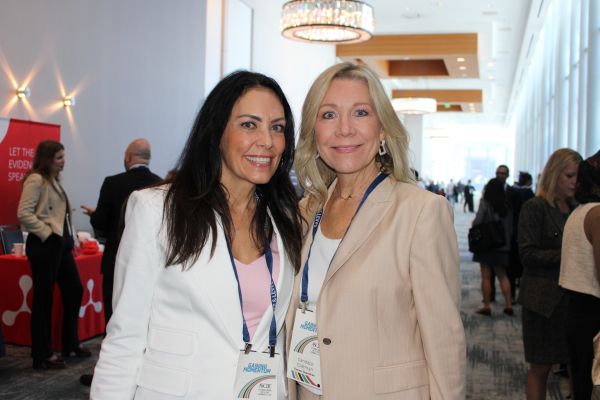
Michelle Williamson of Lexitas and Candace Coleman, director of business development at Express Deposition Services
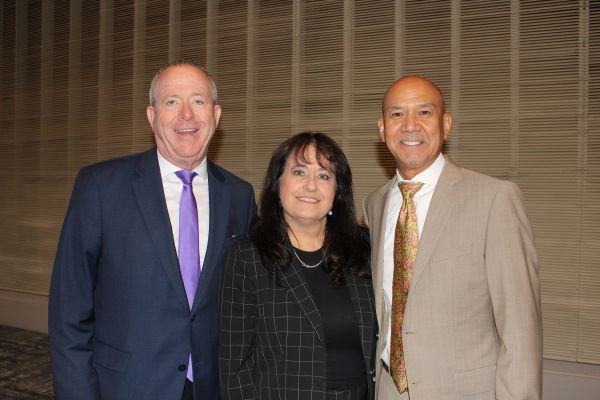
“Issues Facing the Court Right Now” panelists: Santa Barbara Superior Court Judge James F. Rigali, Orange County Presiding Judge Sheila F. Hanson and Los Angeles County Assistant Presiding Judge Ricardo R. Ocampo
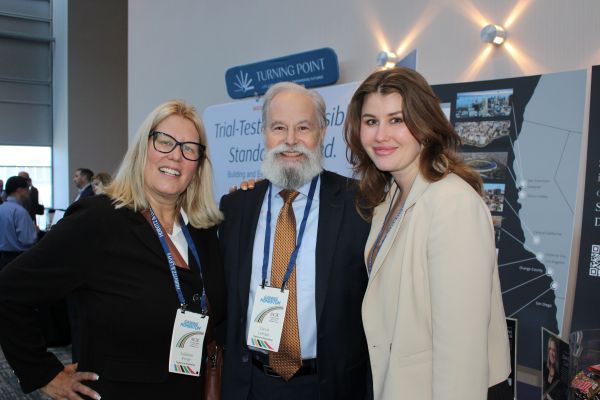
Signature Resolution’s Julianne Pinter, David R. Lampe and Katherine Sullens, events and client relations associate
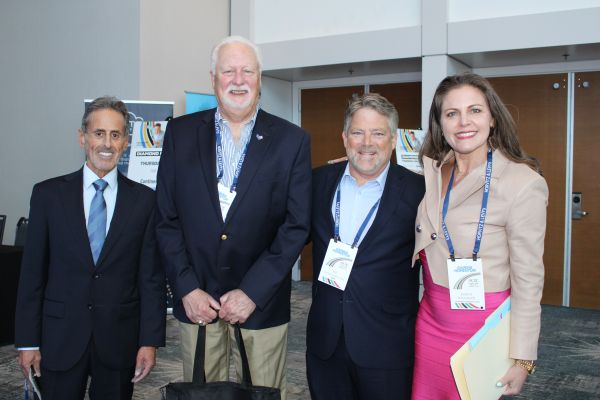
Michael N. Schonbuch of Schonbuch Hallissy LLP, Robert W. Harrison of Wilson Getty LLP, Bill VanDeWeghe of JAMS and Superior Court Judge Jessica C. Kronstadt
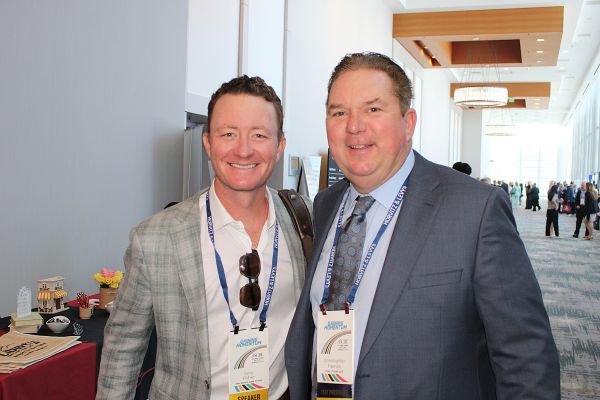
Sevy W. Fisher of The Simon Law Group and Christopher E. Faenza of Yoka Smith LLP
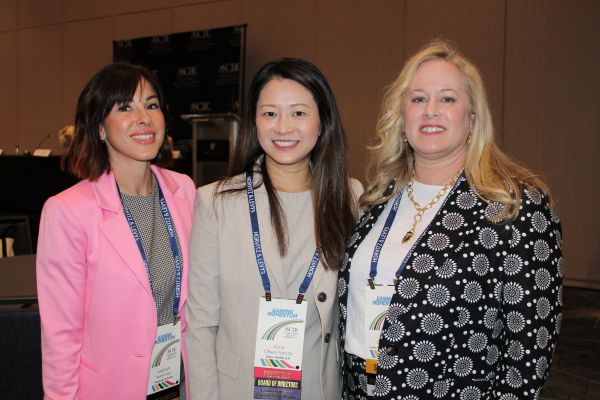
ASCDC’s Board of Director Arpineh Yeremian of Wesierski & Zurek LLP, President Alice L. Chen Smith of Yoka Smith LLP and Vice President Lindy F. Bradley of Lagasse Branch Bell + Kinkead LLP
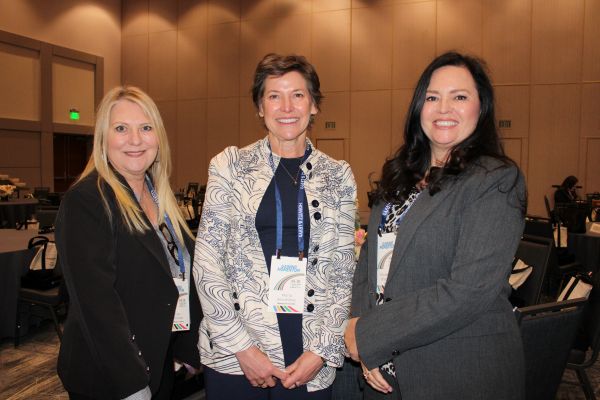
Lisa D. Collinson of Collinson Greco, Marta A. Alcumbrac of Nemecek & Cole and Superior Court Judge Elizabeth L. Bradley
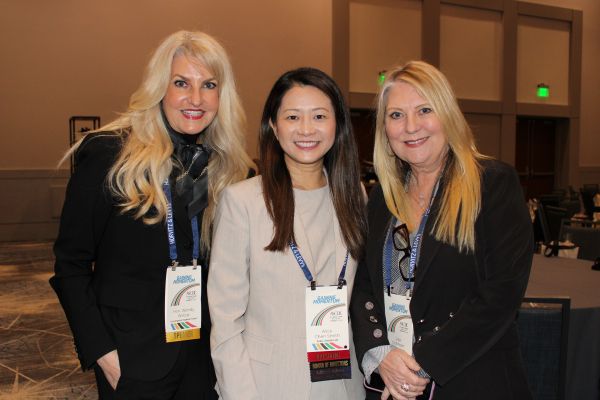
Superior Court Judge Wendy L. Wilcox, ASCDC’s President Alice L. Chen Smith of Yoka Smith LLP and Lisa D. Collinson of Collinson Greco
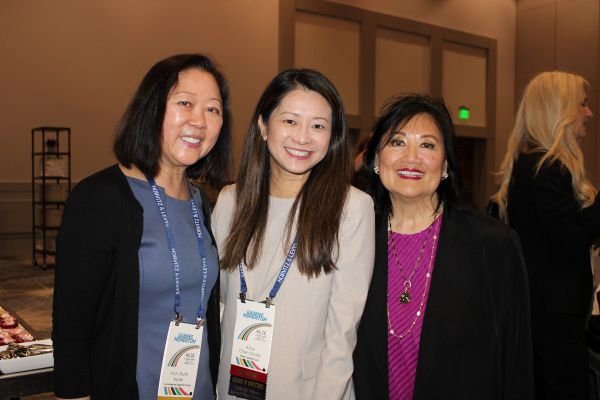
Superior Court Judge Ruth A. Kwan, ASCDC’s President Alice L. Chen Smith of Yoka Smith LLP and Deborah Chang of Chang Klein LLP
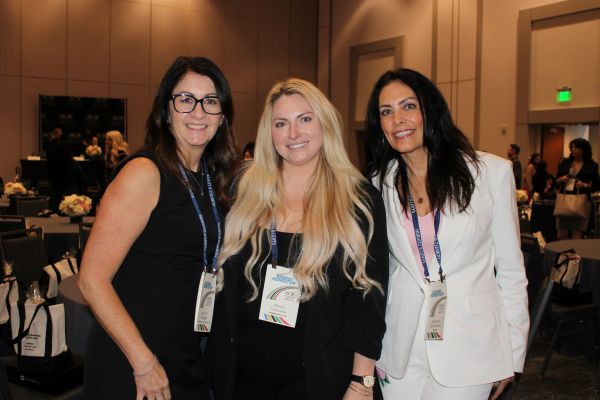
Hodson P.I. LLC’s Director of Operations Lee Ann Plogger and Vice President Alison E. Peacock, and Michelle Williamson of Lexitas
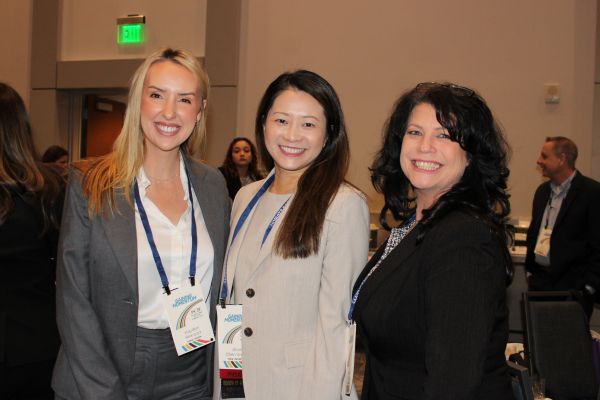
Yoka Smith LLP’s Hayden Rexroad, ASCDC’s President Alice L. Chen Smith and Kimberly A. Byrge
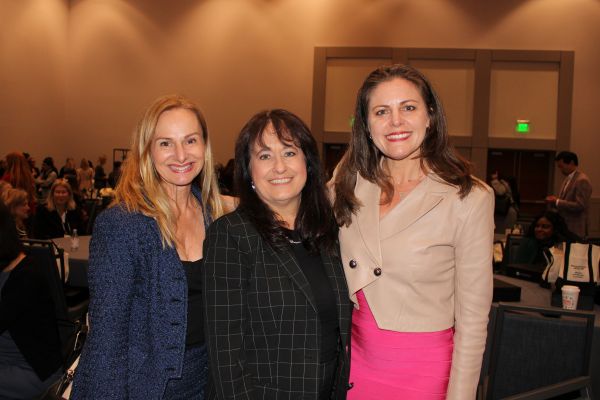
Elizabeth L. Kolar of Kolar & Associates, Orange County Presiding Judge Sheila F. Hanson and Los Angeles County Superior Court Judge Jessica C. Kronstadt
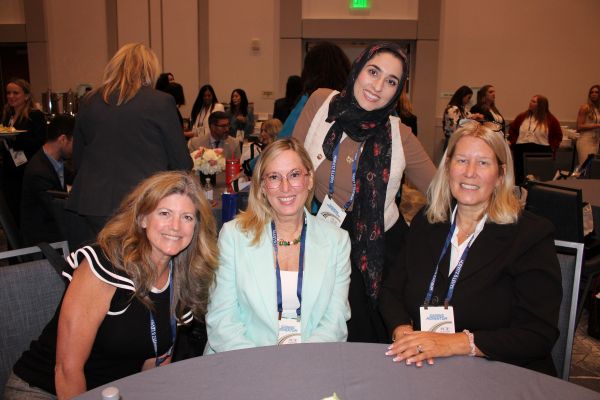
Shelley L. Cook of CIG; Signature Resolution’s Joanna M. Curtis, Fatemeh Mashouf and Julianne Pinter
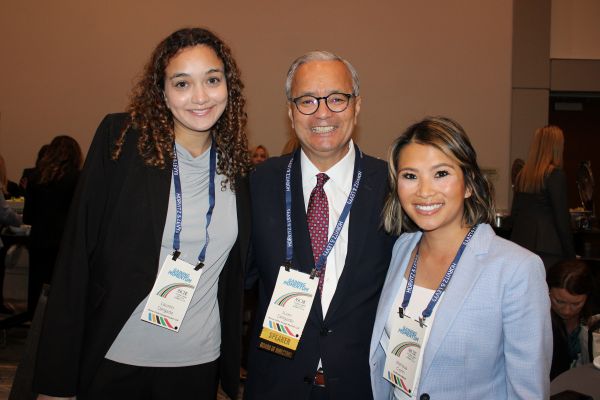
Behar Gibbs Savage Paulson LLP’s Lauren Delgado and ASCDC’s Board of Directors Juan C. Delgado, and Judicate West’s Director of Marketing Melissa Gorin
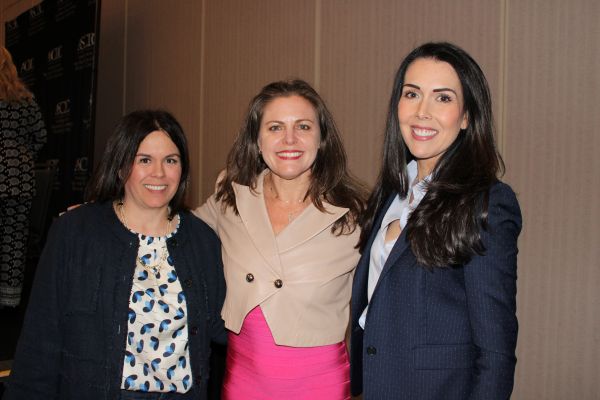
Kathryn P. Canale of Lagasse Branch Bell + Kinkead LLP, Superior Court Judge Jessica C. Kronstadt and ASCDC’s Board of Directors Diana P. Lytel of Klein DeNatale Goldner
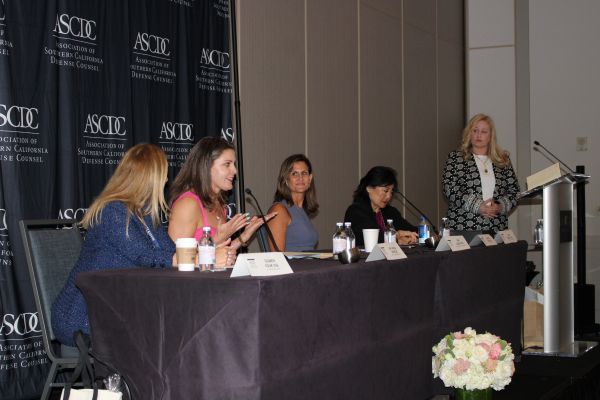
“Becoming Allies – Supporting Women Luncheon” panelists: Elizabeth L. Kolar of Kolar & Associates, Superior Court Judge Jessica C. Kronstadt, Traci S. Lagasse of Lagasse Branch Bell + Kinkead LLP and Deborah Chang of Chang Klein LLP
The Association of Southern California Defense Counsel opened its 65th Annual Seminar on Thursday at the JW Marriott Los Angeles L.A. LIVE in downtown Los Angeles, bringing together judges, appellate specialists and civil defense practitioners for discussions on mounting court pressures, emerging litigation trends and professional development within California's legal community.
One of the conference's central themes was the growing strain on trial courts statewide as judges grapple with rising civil filings, staffing shortages and increasingly contentious discovery battles.
Assistant Presiding Judge Ricardo R. Ocampo of the Los Angeles County Superior Court opened a judicial panel by describing the dramatic increase in filings confronting the state's largest trial court system.
"In 2022, we had a total of 170,000 civil filings," Ocampo said. "In 2025, that escalated to 295,000."
If current trends continue, Los Angeles County could reach approximately 355,000 civil filings by the end of 2026, he warned.
Ocampo attributed much of the increase to collection matters, lemon law claims, personal injury lawsuits and wrongful termination litigation. At the same time, he said, courts remain constrained by limited resources.
"The biggest hurdle right now is we have the same limited amount of resources," Ocampo said.
Los Angeles County currently has roughly 154 to 155 judges assigned to civil matters despite workloads that statewide benchmarks suggest require substantially more judicial officers. Ocampo added that shortages extend beyond judges to clerks, court reporters and support staff.
Orange County Presiding Judge Sheila F. Hanson said courts across California are confronting similar pressures.
"We experience the same pressure that Los Angeles does," Hanson said.
Orange County currently has 127 judges, including 24 assigned to direct civil calendars and four handling complex civil litigation. Hanson said newer legislation and increasingly complex lawsuits have lengthened the time required to litigate cases.
"Across the board, California, we have seen a huge increase in the time it takes to litigate those cases," she said.
Hanson described Orange County's efforts to reduce court congestion through its Informal Discovery Conference program, which routes discovery disputes into expedited conferences before formal motion hearings become necessary.
"Over 90 percent of them -- just 91 percent -- are resolving without the need to actually conduct a hearing on the discovery motion," Hanson said.
According to Hanson, the process has shortened hearing delays by roughly 90 days in participating courtrooms.
Riverside County Superior Court Judge Francisco Navarro said staffing shortages have increasingly forced courts to shift judges between divisions simply to keep operations functioning.
"It's lack of resources, increased workloads," Navarro said.
Navarro described periods when Riverside County ran short on jurors, clerks and court reporters, requiring retired judges to temporarily return to the bench and civil judges to handle criminal last-day trials.
"We have 45 judges who have retired that are sitting in various departments," Navarro said.
Santa Barbara County Superior Court Judge James F. Rigali focused much of his remarks on civility and discovery disputes, warning that increasingly aggressive litigation practices are compounding already severe resource shortages.
"You send them to us, we don't have enough research attorneys to just look at every single one of those things like we would do in the old days," Rigali said.
Rigali also raised concerns about self-represented litigants increasingly filing artificial intelligence-generated pleadings and motions that burden court staff.
"The courts aren't going be open to both of you," Rigali warned attorneys, "if you don't start changing some of the stuff you're doing."
Artificial intelligence also surfaced during a separate plenary session titled "Year in Review," featuring appellate attorneys David E. Hackett and Stefan C. Love of Greines Martin Stein & Richland LLP.
Hackett and Love reviewed major appellate decisions affecting defense counsel over the past year, focusing on standing disputes, sanctions, discovery abuse, judicial disqualification and summary judgment procedure.
Among the topics discussed were sanctions cases involving attorneys who submitted AI-generated citations that had not been properly verified before filing.
The speakers also examined rulings involving improper "reptile theory" arguments at trial, allegations of witness coaching during Zoom depositions and cases involving mishandled privileged communications that resulted in attorney disqualification.
Another recurring theme was the importance of preserving the appellate record. The attorneys stressed that even routine hearings can later become critical issues on appeal and encouraged practitioners to ensure proceedings are adequately documented.
The conference also addressed mentorship and advancement within the legal profession during a luncheon panel titled "Becoming Allies - Supporting Women."
The discussion was moderated by Lindy F. Bradley, partner at Lagasse Branch Bell + Kinkead LLP and vice president of the organization. Panelists included Superior Court Judge Jessica C. Kronstadt, Deborah Chang of Chang Klein LLP, Traci S. Lagasse of Lagasse Branch Bell + Kinkead LLP and Elizabeth L. Kolar of Kolar & Associates.
Bradley opened the luncheon by recognizing members of the organization's Women in Law Committee and thanking sponsors involved with the event.
Throughout the discussion, panelists emphasized the importance of women attorneys supporting one another across practice areas and opposing sides of litigation.
Chang said she attended the organization's earliest women-focused events because she believed attorneys should celebrate and encourage each other regardless of which side they represent in court.
Lagasse echoed that sentiment, saying the legal profession benefits when women in leadership positions actively support and mentor others entering the field.
Much of the conversation centered on courtroom culture and the experiences women attorneys continue to face in litigation practice. Kronstadt discussed gender bias she has observed throughout her career and said younger women lawyers are still frequently interrupted, spoken over or mistaken for non-lawyers in professional settings.
"What I see most often is the assumption that you are not the lawyer, or not the judge," she said.
Kronstadt encouraged attorneys to directly address inappropriate conduct when necessary and advised lawyers not to mirror hostility from opposing counsel simply because litigation becomes contentious.
"That letter or email may eventually end up attached to a motion that a judge is reading on a Sunday afternoon," Kronstadt said. "Judges remember those things."
The panel also addressed civility between opposing counsel and the role professionalism plays during difficult litigation. Lagasse recounted an Orange County trial where she said opposing counsel engaged in repeated bullying conduct and directed an offensive remark toward her and co-counsel after the defense obtained a nonsuit.
Lagasse said she reported the incident to the trial judge, who addressed the conduct through court proceedings. The attorney later faced State Bar discipline.
"For me, it was a no-brainer that something had to be done," Lagasse said.
Chang said the incident prompted broader discussions among attorneys and legal organizations regarding civility and professional conduct standards.
The discussion later shifted to examples of professionalism between opposing counsel. Lagasse described litigating against Chang in another matter while dealing with a personal crisis and said Chang agreed to pause the litigation after learning of the circumstances.
"She elevated the situation by prioritizing humanity above what we do every day," Lagasse said.
The luncheon concluded with a discussion on mentorship and professional support systems. Kronstadt encouraged younger attorneys to seek out mentors and colleagues who genuinely support both their careers and personal well-being.
"Surround yourself with people who make your soul shine," Kronstadt said.
She also told attendees that her courtroom remains open to attorneys seeking guidance or mentorship opportunities.
The annual seminar continues through Friday and is expected to conclude with a keynote presentation by Apolo Ohno, the eight-time Olympic medalist in short-track speed skating, who is scheduled to speak on leadership, resilience and performance under pressure.
Ricardo Pineda
ricardo_pineda@dailyjournal.com
For reprint rights or to order a copy of your photo:
Email
Jeremy_Ellis@dailyjournal.com
for prices.
Direct dial: 213-229-5424
Send a letter to the editor:
Email: letters@dailyjournal.com