


Intellectual Property
May 18, 2026
AI dominates global IP debate at INTA conference in London
Roughly 10,000 intellectual property attorneys gathered in London for the annual INTA conference, where discussions centered on artificial intelligence, the growing influence of the European Unified Patent Court and the increasingly international nature of IP litigation.


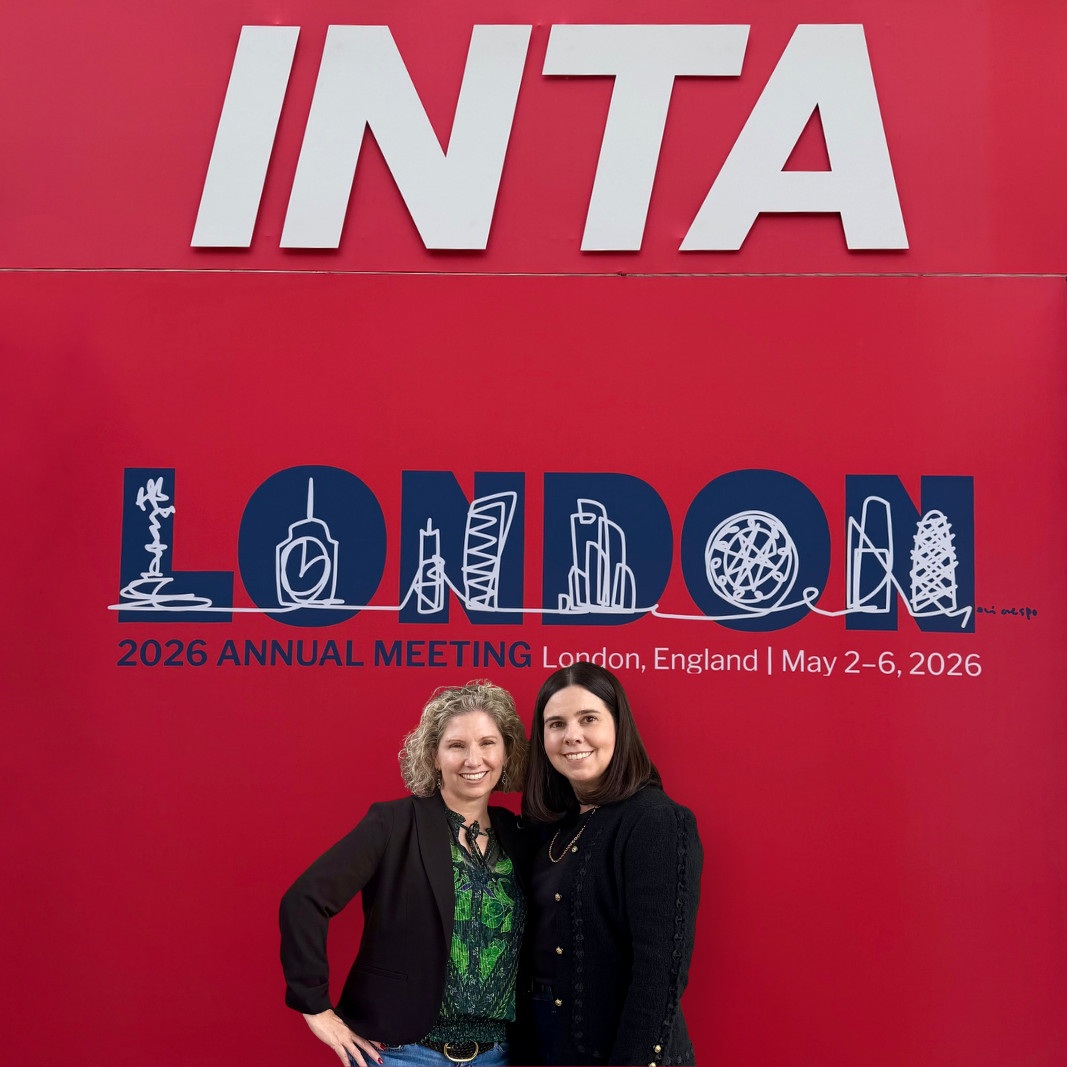
Artificial intelligence dominated this year's International Trademark Association annual meeting in London, where roughly 10,000 intellectual property attorneys gathered to discuss cross-border disputes, the European Unified Patent Court and the widening divide among countries over AI-generated works.
For copyright and trademark litigator Erica J. Van Loon and patent litigator Michelle E. Armond of Armond Wilson LLP, the conference underscored how quickly the global IP landscape is changing.
"In a word: AI," Van Loon said. "It eclipsed all other IP trends and discussions. What's fascinating is how different jurisdictions are handling it. The U.S. requires human authorship for copyright protection, but that's not the case everywhere."
Van Loon said attorneys from other countries described more flexible approaches to AI-generated content, highlighting the growing challenges companies face in protecting intellectual property across multiple jurisdictions.
The Unified Patent Court also remained a major focus. Two years after launching, the court is reshaping patent litigation in Europe and influencing disputes worldwide.
"Two years in, the UPC has dramatically changed patent litigation in Europe and beyond," Armond said. "Simultaneously, China is making a play to become a dominant venue for resolving worldwide IP disputes."
Armond said recent clashes between Chinese and U.K. courts over standard-essential patents reflect China's broader shift from a manufacturing economy toward an innovation-driven one.
Privacy law concerns also surfaced repeatedly at the conference, particularly stricter European Union and U.K. rules governing data privacy and discovery.
"Comparing notes with foreign litigators on how they conduct discovery under those restrictions is illuminating," Van Loon said. "It's nothing like U.S. practice."
INTA rotates internationally every few years, with this year's London conference spreading across the city through receptions, meetings and networking events hosted by law firms and industry groups. About 10,000 attorneys formally registered, though many more attended unofficial gatherings.
"It's a networking conference, and people arrive excited to reconnect," Van Loon said. "I ran into opposing counsel from hard-fought cases, but at INTA, none of that matters. Everyone's friends."
For Armond, attending her first INTA reinforced the increasingly international nature of intellectual property practice.
"So many IP disputes have a significant international component, and INTA is a hub for meeting up with patent, trademark and copyright lawyers from across the globe," she said.
Back at the firm, Armond said artificial intelligence tools are used cautiously.
"We don't have AI drafting briefs or running unsupervised research -- our work is too technical and nuanced," she said. "That said, AI has made many things so much faster and multiplies what we can accomplish for our clients."
Douglas Saunders Sr.
douglas_saunders@dailyjournal.com
For reprint rights or to order a copy of your photo:
Email
Jeremy_Ellis@dailyjournal.com
for prices.
Direct dial: 213-229-5424
Send a letter to the editor:
Email: letters@dailyjournal.com