


Consumer Protection Law
Jul. 6, 2026
Honda fraud verdict may strengthen defect claims in California lemon law cases
A Los Angeles jury's verdict finding Honda liable for fraudulently concealing a vehicle safety defect could encourage more plaintiffs to pair fraud claims with Song-Beverly warranty actions and increase pressure on automakers to disclose known defects before vehicles are sold.


A Los Angeles County Superior Court jury's verdict finding American Honda Motor Co. liable for fraudulently concealing a vehicle safety defect could reinforce the growing use of fraud claims alongside California lemon law lawsuits and place additional pressure on automakers to disclose known defects earlier, legal observers said.
The verdict, returned Wednesday after a trial in Los Angeles Superior Court, marks another significant courtroom win for Knight Law Group at a time when the firm has spent the past year defending itself against a series of fraud and civil RICO lawsuits filed by major automakers targeting California's lemon law industry. Ramirez v. American Honda Motor Co., Inc., 23PSCV02921 (L.A. Super. Ct., filed Sept. 21, 2023).
The jury found Honda liable for fraudulent concealment in addition to violations of California's Song-Beverly Consumer Warranty Act. Plaintiff Victor Paredes Ramirez was represented by Roger Kirnos and other attorneys with Knight Law Group, while Honda was represented by Michael J. Hurvitz and attorneys from Nelson Mullins Riley & Scarborough LLP.
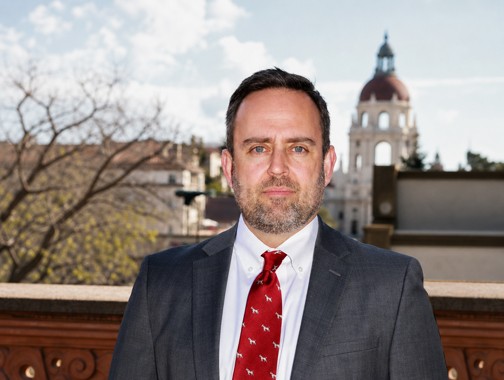
"We are very pleased with the jury's decision," Kirnos said in a statement. "It recognizes what should be obvious to consumer goods companies, and car companies specifically. You can't sell products you know could be unsafe and conceal those facts. It's unfair and unjust. And it's illegal."
Hurvitz did not respond to phone or email requests for comment by press time on Monday.
Elliot J. Conn, a San Francisco attorney who represents consumers in Song-Beverly cases but was not involved in the litigation, said one of the most significant legal aspects of the verdict was the jury's apparent acceptance of the theory that the selling dealership acted as Honda's agent during the vehicle sale.
"Manufacturers historically have fought tooth and nail" against that argument, Conn said, adding that the agency finding could make fraudulent concealment claims easier to pursue in future cases.
Conn also said the verdict comes as manufacturers have become increasingly willing to take lemon law cases to trial rather than resolve them through settlement.
"Honda is taking a lot of cases to trial, even cases where the facts are bad for them," he said. "Perhaps this verdict ... may make them more amenable to comply with warranty obligations" by repurchasing defective vehicles earlier rather than forcing consumers to litigate. Manufacturers, he added, "could really avoid" many lawsuits by building better vehicles or promptly buying back those that cannot be repaired.
Joseph A. Kaufman, a Pasadena plaintiffs' attorney who also was not involved in the case, said the decision reflects a broader trend of pairing fraudulent concealment claims with Song-Beverly actions to obtain discovery into what manufacturers knew internally about alleged defects.
"It's not an isolated trend," Kaufman said. "The value of pairing a fraudulent concealment claim with a Song-Beverly claim ... is that you're really able to explore through discovery and tell to a jury what car companies are covering up from consumers."
According to Kaufman, those claims can lead to production of internal engineering documents, warranty data and technical communications that otherwise remain outside public view. He argued that verdicts like Wednesday's should encourage manufacturers to investigate defects sooner and disclose material safety information before vehicles reach consumers.
The verdict also comes against the backdrop of an increasingly contentious legal battle between automakers and California lemon law firms. Ford Motor Co. has spent the past year pursuing civil fraud and racketeering claims accusing several firms, including attorneys affiliated with Knight Law Group, of orchestrating fraudulent attorney-fee billing schemes. A federal judge dismissed Ford's principal RICO lawsuit against Knight attorneys in March, although the company has since filed a separate fraud action against another high-volume lemon law firm, Quill & Arrow LLP.
While post-trial motions and any appeal could reshape the outcome, Conn said the verdict demonstrates that California juries remain willing, under the right facts, to hold manufacturers accountable not only for failing to honor warranty obligations but also for concealing known safety defects from consumers.
Skyler Romero
skyler_romero@dailyjournal.com
For reprint rights or to order a copy of your photo:
Email
Jeremy_Ellis@dailyjournal.com
for prices.
Direct dial: 213-229-5424
Send a letter to the editor:
Email: letters@dailyjournal.com