


Law Practice
Sep. 9, 2026
Plaintiffs' bar braces for tort reform battles, calls to police its own
Leading plaintiffs' attorneys say fights over wildfires, public entity liability and contingency fees are looming, while some warn misconduct within the profession is giving tort reform advocates ammunition.


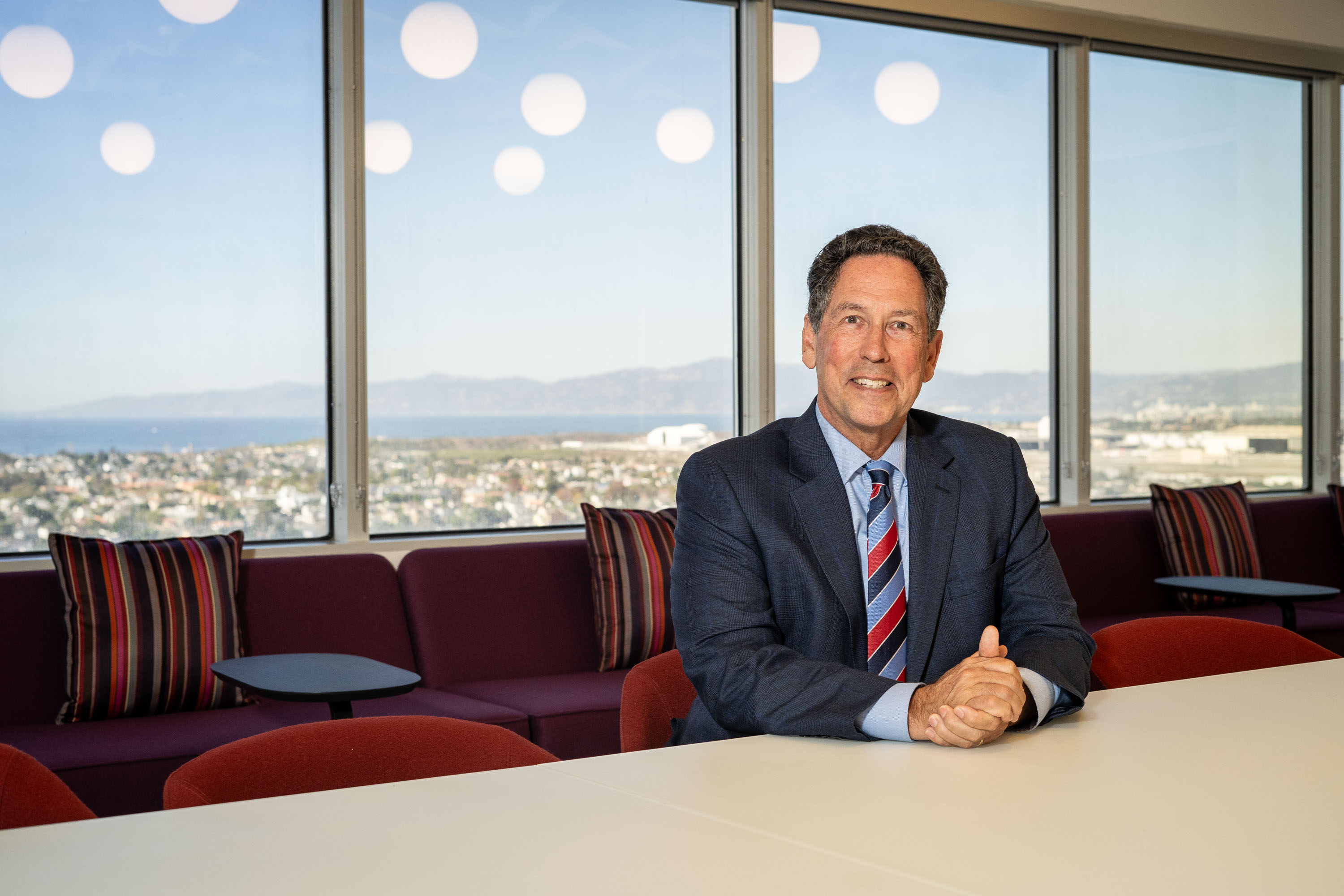
Watch video interviews of attorneys mentioned in this article here.
LAS VEGAS -- California plaintiffs' attorneys are preparing for another year of fights over tort reform, wildfire liability and the contingency fee system, while some prominent members of the bar say lawyers also need to confront unethical practices within their own ranks.
Those concerns emerged during interviews with leading plaintiffs' attorneys attending the Consumer Attorneys Association of Los Angeles' annual convention in Las Vegas last week.
Trial attorney Nick Rowley offered perhaps the starkest warning, saying tort reform efforts are already underway in Sacramento and arguing that plaintiffs' lawyers need to address misconduct that could provide ammunition to their opponents.
"Tort reform is coming. It's coming at us," Rowley said. "It's coming at civil justice."
Rowley said a minority of personal injury lawyers and health care providers are engaging in unethical practices, including paying for referrals and pushing clients toward unnecessary medical treatment to increase the value of claims. He said such conduct hurts clients and threatens the broader plaintiffs' bar.
His proposed response is unusually aggressive: lawyers should police their own profession.
"We need to combat it by holding those people accountable, by reporting them to the state bar, by reporting these doctors to the medical boards, by suing them if we have to," Rowley said.
Rowley said the Consumer Attorneys of California has accumulated roughly $40 million for future political fights and that plaintiffs' attorneys raised more than $80 million during their recent battle with Uber. He also criticized successful attorneys who have not contributed substantially to those efforts.
Geoffrey S. Wells, a former president of both CAALA and Consumer Attorneys of California, agreed that the Uber fight is over for now but said other battles are already taking its place.
"The next area of fights is going to be wildfire, child sex abuse and also public entity liability," Wells said.
Wells said wildfire legislation will likely return next year after efforts at a compromise failed this year. One major issue is whether insurers should retain the ability to recover payments from utilities when utility negligence causes a wildfire. Wells argued that restricting those claims could ultimately increase insurance costs for consumers.
Casey Johnson, who is set to become CAOC president in November, likewise identified wildfires as a major issue for the organization next year. CAOC has not yet established its affirmative legislative agenda for 2027, he said, but he expects it to continue pursuing ethics and consumer protection measures.
"We're going to continue to have to fight money interests who are looking to evade accountability," Johnson said.
Johnson also highlighted concerns about alternative business structures, which allow nonlawyers to own interests in law firms in states including Arizona but remain prohibited in California. He defended California's approach, arguing that nonlawyer ownership could create conflicts and has not delivered the expanded access to justice its proponents promised.
Another recurring issue at the convention was artificial intelligence.
Jacob Emrani said AI is becoming unavoidable for law firms but expressed caution about relying too heavily on the technology. His firm currently uses relatively little AI, he said, although he expects that to change.
"I don't think that AI is ever going to be able to replace the hands-on experience, the empathy and the sympathy that you have for your clients," Emrani said.
Alexander Wheeler described a more extensive use of the technology, including uploading medical records, investigation materials and deposition transcripts to AI systems to produce timelines, deposition outlines and draft motions.
But Wheeler estimated AI can get a lawyer only about "75% of the way" to a finished product. The remaining 25%, he said, requires the lawyer's judgment, knowledge, and experience.
Wheeler said AI is also creating a new area for cross-examination. He described discovering what appeared to be AI-generated language in a defense medical expert's report that characterized portions of another doctor's testimony as "weaknesses." Wheeler said such language can undermine an expert's claim of neutrality and provide impeachment material at trial.
Other attorneys emphasized more traditional challenges facing the profession. Molly McKibben stressed the importance of early case preparation, particularly obtaining and reviewing medical records before filing suit so treating physicians can potentially provide testimony without the expense of retained experts.
Mike Arias, meanwhile, urged plaintiffs' attorneys to pay attention to politics beyond Sacramento, arguing that federal policy can directly affect their clients and that trial lawyers should view political involvement as part of their broader advocacy role.
Taken together, the interviews suggest the plaintiffs' bar expects no shortage of battles in the coming year. But Rowley argued its ability to withstand outside pressure may depend partly on whether attorneys are willing to confront problems closer to home.
"Judges need to start reporting lawyers," he said. "Lawyers need to start reporting lawyers if this stuff is going on. And if we start policing ourselves, this will stop very quickly."
Jack Needham
jack_needham@dailyjournal.com
For reprint rights or to order a copy of your photo:
Email
Jeremy_Ellis@dailyjournal.com
for prices.
Direct dial: 213-229-5424
Send a letter to the editor:
Email: letters@dailyjournal.com