


Sep. 25, 2026
Aimee Kirby sees mediation as part of the solution to court backlogs
Kirby handles about five to 10 volunteer mediations annually and also volunteers with Resolve Law LA and serves as a temporary judge for the Superior Court.


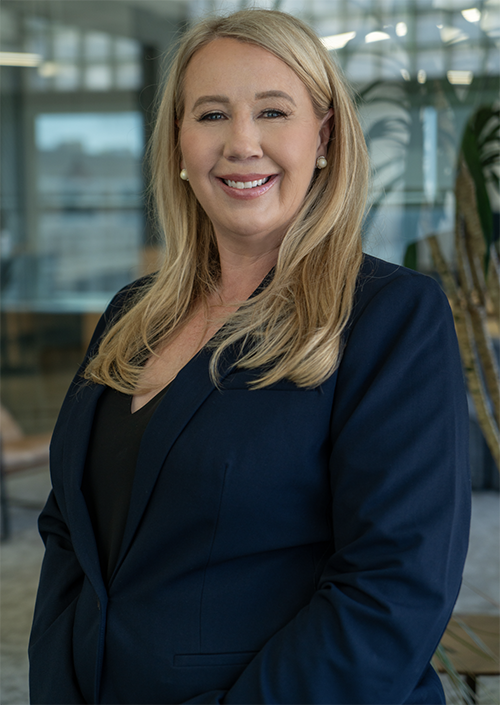
For Aimee E. Kirby, volunteering as a mediator is both an opportunity to help litigants resolve disputes and a way for lawyers to help address the strains on an overburdened court system.
Kirby, a 25-year personal injury attorney with the Dolan Law Firm, began volunteering with Los Angeles County Superior Court's Mediation Volunteer Panel after seeing the backlog created by the COVID-19 pandemic.
"There were a great deal of cases that should have resolved, which were just not moving for one reason or another," Kirby said. Some disputes, she added, did not justify spending $10,000 to $15,000 on private mediation.
Kirby now handles about five to 10 volunteer mediations annually and also volunteers with Resolve Law LA and serves as a temporary judge for the Superior Court.
Her years representing plaintiffs -- along with experience opposing many of the same firms from the defense side -- help establish credibility with attorneys and litigants, Kirby said. But becoming a neutral required her to suppress a litigator's natural instinct to identify a problem and immediately try to solve it.
Instead, she learned to frame potential issues as questions, asking parties whether they have considered a particular point and allowing them to reach their own conclusions.
Kirby also makes a point of speaking directly to litigants early in mediation.
"I ask the litigants, not their counsel, what they want me to understand about their loss," she said. "This makes sure they feel heard, appreciated and valued."
That approach has reinforced one of the most important lessons Kirby has learned as a mediator: The process matters as well as the result.
"It has taught me to work on my soft skills and truly take the time to make sure both sides feel heard, and have a positive experience," she said.
Preparation is equally important. When parties remain far apart, Kirby first considers whether they have enough information to meaningfully evaluate the dispute. Depending on the case, that may require depositions, medical examinations, subpoenas or sufficient settlement authority. If critical information is missing, she would rather reschedule than conduct a mediation before the case is ready.
Kirby said the most rewarding part of volunteering is "helping others bring closure to events that hurt them."
She also has a straightforward message for attorneys frustrated by crowded court calendars and lengthy waits for hearings and trials.
"You can't complain about the time it takes to get a trial or motion," Kirby said, "unless you are willing to be part of the solution."
For reprint rights or to order a copy of your photo:
Email
Jeremy_Ellis@dailyjournal.com
for prices.
Direct dial: 213-229-5424
Send a letter to the editor:
Email: letters@dailyjournal.com