


Labor/Employment
Oct. 2, 2026
Self-checkout restrictions open a new lane for lawsuits
California cities are increasingly regulating self-checkout lanes, raising broader questions about private enforcement, employer liability and the growing patchwork of local business regulations.



Alaya B. Meyers
Shareholder
Littler Mendelson PC
Phone: (949) 705-3000
Email: ameyers@littler.com
Northwestern Univ SOL; Chicago IL
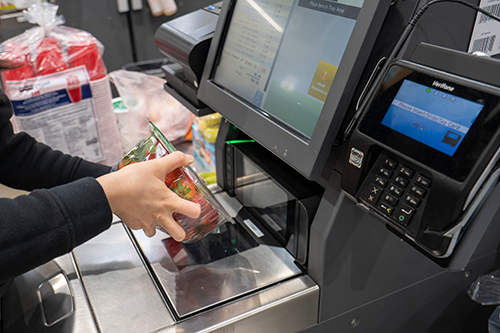
Last year, in a measure intended to help curb retail theft and protect public safety, the City of Long Beach implemented a "Self-Service Staffing Requirements Ordinance," ORD-25-0010. That ordinance, effective Sept. 11, 2025, requires grocery and drug retailers who provide self-checkout lanes to, among other things: (1) assign an employee/staff member to supervise the self-checkout process, (2) maintain a staffed/traditional checkout if also using self-checkout registers, (3) have at least one supervising employee for every three self-checkout stations in use, and (4) apply a 15-item limit. Most notably, the ordinance allows a customer or employee of a covered store to bring a civil action for any violation to recover a nominal penalty of $100 per violation per employee, as well as attorneys' fees.
Since then, Costa Mesa, Santa Ana, and, most recently, West Hollywood have adopted similar ordinances. Anaheim also considered similar legislation, but its city council recently voted against moving forward with the proposal.
The implications of this type of ordinance are far-reaching. First, it requires owners of not only chain grocery stores and drugstores but local shops (subject to certain square footage and other requirements) to follow strict compliance guidelines for employee staffing. What happens, for example, if a violation is unintentional and unavoidable because only one staff member is available for a particularly (or unexpectedly) busy shift?
Second, it creates a situation--much like paid sick leave laws, minimum wages, and other local city or county requirements--where employers in more than one California location are constantly having to identify and comply with any specific local requirements.
Third, while ironically self-checkouts were originally intended to reduce overhead and employee costs, the Long Beach and similar ordinances may do the opposite by essentially requiring employers to have multiple employees scheduled when operating three or more self-checkout registers. Fourth, it creates the possibility for members of the public to become watchdogs, and to essentially become deputized plaintiffs by filing suit if they observe violations. All of this may ultimately have a chilling effect discouraging retailers from setting up or continuing operations in cities that enact such ordinances.
The Long Beach and related ordinances also raise the question of whether a plaintiff must have standing--i.e., demonstrate that he or she personally experienced and was personally aggrieved by a failure to comply with the ordinance--or whether these ordinances will operate like California's Unruh Civil Rights Act and similar statutes without standing requirements where professional plaintiffs may choose to pursue these actions indiscriminately, particularly with the allure of attorneys' fees for the prevailing party.
There is the potential that these privatized rights of action based on city ordinances in the context of self-checkout lanes could gradually extend to other areas as well. For example, the Fair Work Week Ordinance in Los Angeles regulates scheduling for large retail employers and the Hotel Worker Protection Ordinance sets forth specific standards for security and workload for employees in the hotel industry--though enforcement of both ordinances is through the Office of Wage Standards, not private citizens. Likewise, San Diego's 2024 Fair Chance Ordinance--a "ban the box" law that prohibits employers in unincorporated areas from considering criminal history before making a conditional job offer--does not have a private right of action. San Francisco's Fair Chance Ordinance, as recently amended in August 2026, similarly does not have a private right of action, instead deferring enforcement to the Office of Labor Standards Enforcement.
In the meantime, on Sept. 18, 2024, the California Supreme Court granted review in Cohen v. Superior Court, S285484, to address the specific question of whether California Government Code section 36900(a), which states that violations of city ordinances may be prosecuted by city authorities or "redressed by civil action," independently gives private citizens the right to bring those actions. The case has been fully briefed since November 26, 2025, and remains pending, with a decision anticipated at any time.
Notably, the Long Beach self-checkout ordinance directly states that private citizens may enforce it--differentiating it from the Cohen case. This raises the question of whether, regardless of the outcome of Cohen, cities with overloaded and understaffed local agencies could increasingly look for means to allow private rights of action, including by amending their codes and ordinances to expressly authorize them. Ultimately, these self-checkout ordinances may have implications far beyond the checkout aisle. If cities adopt similar private enforcement provisions for other employment and business regulations, employers could face an increasingly complex patchwork of local requirements enforced by a growing number of private litigants.
Submit your own column for publication to Diana Bosetti
For reprint rights or to order a copy of your photo:
Email
Jeremy_Ellis@dailyjournal.com
for prices.
Direct dial: 213-229-5424
Send a letter to the editor:
Email: letters@dailyjournal.com