


Criminal
Oct. 2, 2026
Rethinking the shaken baby syndrome
The reversal of Jason Moore's murder conviction underscores the need for prosecutors to reassess shaken baby syndrome evidence and consider scientific advances showing that accidental falls can cause injuries once attributed solely to abuse.


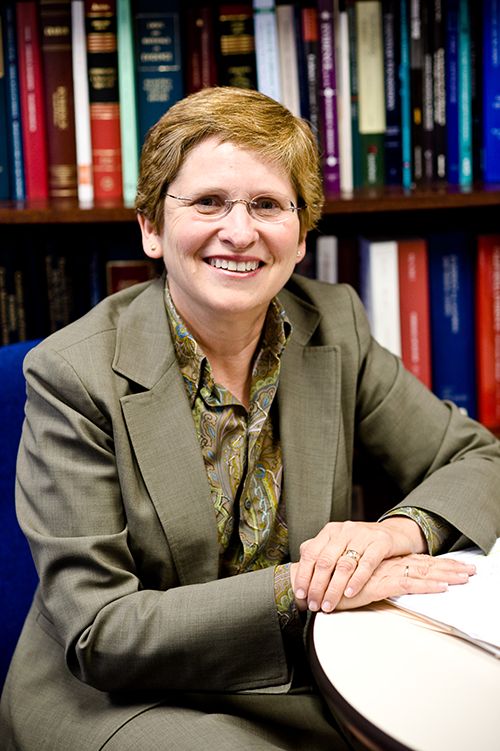
Laurie L. Levenson
Professor of Law
Loyola Law School
Criminal law
919 Albany St
Los Angeles , CA 90015
Phone: (213) 736-1149
Fax: (213) 380-3769
Email: laurie.levenson@lls.edu
UCLA Law School
Laurie is founding director of Loyola's Project for the Innocent and David W. Burcham chair in ethical advocacy.
This month, the California Court of Appeal took an important step toward the pursuit of justice. In the case of Jason Moore, the Court reversed a murder conviction that was secured by the Riverside County District Attorney's Office 12 years ago based upon scientific evidence that has now been debunked. Until recently, the majority of prosecution offices have blindly relied on the so-called Shaken Baby Syndrome/Abusive Head Trauma (SBS/AHT) to convict parents whose young infants sustained fatal head injuries. In some of these cases, the only evidence of guilt is unreliable medical testimony that diagnosed abuse based solely on the presence of specific injuries.
Experts today challenge the use of that evidence. In many cases, the science now supports a caretaker's explanation that the child's injury could have been from an accidental fall from a couch, bed, or even a chair. While it is tragic when any child dies, convicting a parent of intentionally killing their child by shaking and slamming them so hard that it would cause brain injuries is an injustice if the science does not support that conviction. Use of outdated and inaccurate SBS/AHT testimony often means the parent will be sentenced to life in prison, rather than face a charge that accurately reflects their culpability, if any, in the case.
For years, prosecution experts regularly opined that specific kinds of head injuries must have resulted from a parent or caretaker shaking or striking the child and could not have been caused by short falls. However, as detailed in an intensive study by the Northern California Innocence Project, scientific and medical advances have undermined that opinion. As the Court of Appeal found in Moore's case, it is now beyond dispute that short falls can and have caused brain swelling, skull fractures, intracranial bleeding and brain death. Moore was lucky. The appellate court recognized that false expert evidence had been used to convict a person who otherwise was described by those who knew him as a "good and loving father."
Medical experts are not infallible. Scientific developments can, and have, undermined medical experts' trial testimony. This is one of the key reasons that the California Legislature enacted a statute that allows a defendant to seek to reopen his case if there is a significant dispute among the experts about whether the prosecution's expert testimony at trial is considered to be scientifically reliable. As a former prosecutor who has spent the last 15 years working on wrongful conviction cases, I have seen firsthand how horrific it is when parents and grandparents are wrongfully convicted because of flawed scientific testimony. The Court of Appeal has taken an important step toward remedying these injustices. However, more needs to be done.
It is time that everyone in the criminal justice system, including prosecutors, realizes the problems with SBS/AHT. Given the tragedy of a child's death, it is not surprising that prosecutors are gung-ho to secure convictions. But using theories that have been debunked is the wrong way to go. Rather, prosecutors should factor in the new science that shows there are medically plausible alternative explanations for injuries that doctors once thought were dispositive of abuse. Prosecutors have both a legal and ethical responsibility to consider how the new science undercuts the prosecutor's ability to prove their case beyond a reasonable doubt given the newly available scientific evidence.
Prosecutors, like the Court of Appeal in Moore's case, have a duty to evaluate all the facts in a case--including whether the defendant has any history of abusing that or any other child, and whether there might be plausible explanations for the injury, such as an accidental fall. There are lesser charges that may fit when a parent has been negligent, but it is not a foregone conclusion that all parents whose children have falls are criminally negligent or reckless.
The issue in Moore's case is finally receiving national attention; the California study and authority are likely to become persuasive authority. For example, in the case of Robert Roberson, who sits on death row in Texas for allegedly shaking his two-year-old daughter to death, the court halted his execution so that arguments related to new scientific evidence on SBS/AHT could be examined.
The National Center on Shaken Baby Syndrome estimates there are 1,200 to 1,400 SBS/AHT cases each year. The National Registry of Exonerations has documented at least 44 parents or caregivers who have been completely exonerated after being wrongfully convicted in cases involving SBS/AHT. There is a way to prevent this injustice. We need not wait until courts overturn such convictions. Everyone in the criminal justice system today can educate themselves regarding the new research on SBS/AHT and ensure that prosecutors fairly examine the cases that they bring.
Submit your own column for publication to Diana Bosetti
For reprint rights or to order a copy of your photo:
Email
Jeremy_Ellis@dailyjournal.com
for prices.
Direct dial: 213-229-5424
Send a letter to the editor:
Email: letters@dailyjournal.com