


Oct. 12, 2026
Defense firm mines case data to shape lemon law strategy
Narain Maclear LLP co-founders Sabrina Narain and Amy Maclear explain how their defense firm uses case data to anticipate judges' rulings and why they're sending young lawyers to trial.


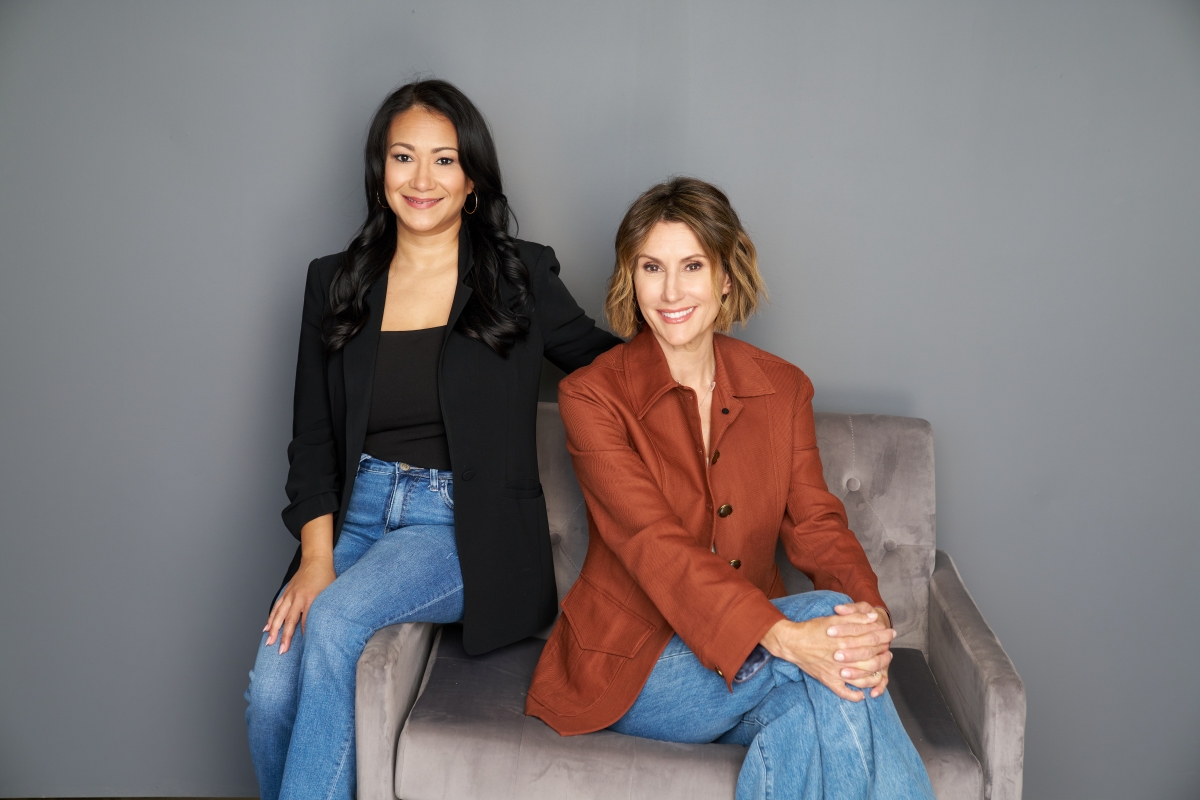
Narain Maclear LLP is mining case data to anticipate how judges will rule in California consumer warranty, commonly called lemon law, cases, where the same motion can draw different results from one courtroom to the next.
"There is zero uniformity," said co-founder Amy Maclear. "So, we don't have that predictability, unfortunately."
To compensate, the defense firm can look at "what 30 judges in LA County have ruled on a certain motion, taking those rulings and adapting our arguments," Maclear said.
Maclear and co-founder Sabrina Narain discussed their approach on the latest episode of the Daily Journal's In the Counsel's Chair podcast.
Technology was built into the firm from the start. "We wanted more tech. Way more," Narain said.
"Amy and I had the idea of starting this firm with a tech component before AI ever came out," she said. "The AI itself was not the motivating factor."
The aim, Narain said, was always to use technology to "make high-volume litigation easier to handle, create less burnout."
The firm is well past the point where an AI tool summarizing a deposition seemed impressive, Narain said. It is now working out how to use its case history to shape strategy in current and future litigation, in part to lower costs for clients and, as she put it, to see "how we can reduce settlement values because we're on the defense side."
Its analytics track vehicle type, defect, case age and settlement value, Maclear said.
The data can also reveal patterns over time. Consumer warranty litigation tends to move in trends, Narain said, and looking back over several years can show whether a particular firm has dropped an issue or returned to it, for example after a Supreme Court ruling or a change in the law.
Maclear would like to go further.
"I literally want someone with a strong data analytics background on the firm payroll because I think it's such a useful tool," she said.
"But I think more importantly, our clients expect it," Narain said. If clients are using AI, "they have an expectation that the legal field is also using it," she said.
"In the next year or two, most law firms will have to be on board with that or they will be falling behind," Narain said, adding that it may happen even sooner.
Some judges are already there. Narain recalled a dispute over a verdict form in which the judge shared a screen, pulled up an AI research tool and suggested the parties look at it together.
For Narain, that puts the focus on the advocacy skills a lawyer can't learn from AI.
Young lawyers have "already been trained to read the law and write. Making them do that for another ten years isn't going to make them a better advocate in court," she said. "How can you be an oral advocate if you're just researching and writing all the time?"
Jurors are a different challenge. "You can't use AI to convince them to give you what you're asking for," Narain said. The goal, she said, is to train lawyers to think on their feet first, rather than to be good researchers and writers.
Jury trials aren't going away, Maclear said, so neither is in-court advocacy.
Judges in some courts, starting in the Central District of California, have been encouraging early-career attorneys to argue in court, Maclear said. She didn't get much of that opportunity in her own Big Law career, where "you weren't the person arguing the motion in court."
Firms hold back because "we're pretty risk averse a lot of times," she said, which is why it takes judges "being very direct and saying there isn't one way to do it." Narain Maclear's clients are "almost insistent" on giving younger lawyers more opportunities, Maclear said.
First- and second-year associates at the firm go to trial as second or third chair and may give an opening statement or examine a witness, Narain said, though "never unsupervised and never without any guidance from us."
Sometimes people surprise you, Narain said, recalling an attorney she encouraged to handle jury selection: "she did a great job and they won the trial with a unanimous verdict."
"There is no better training ground," Maclear said.
The full episode, which covers how the co-founders built the firm, is available here.
For reprint rights or to order a copy of your photo:
Email
Jeremy_Ellis@dailyjournal.com
for prices.
Direct dial: 213-229-5424
Send a letter to the editor:
Email: letters@dailyjournal.com