


Oct. 28, 2026
Adams brings a habit of listening and explaining to 6th District
A former family law research attorney and federal law clerk, Justice Charles F. Adams presided over CARE Court before joining the appellate bench in August.


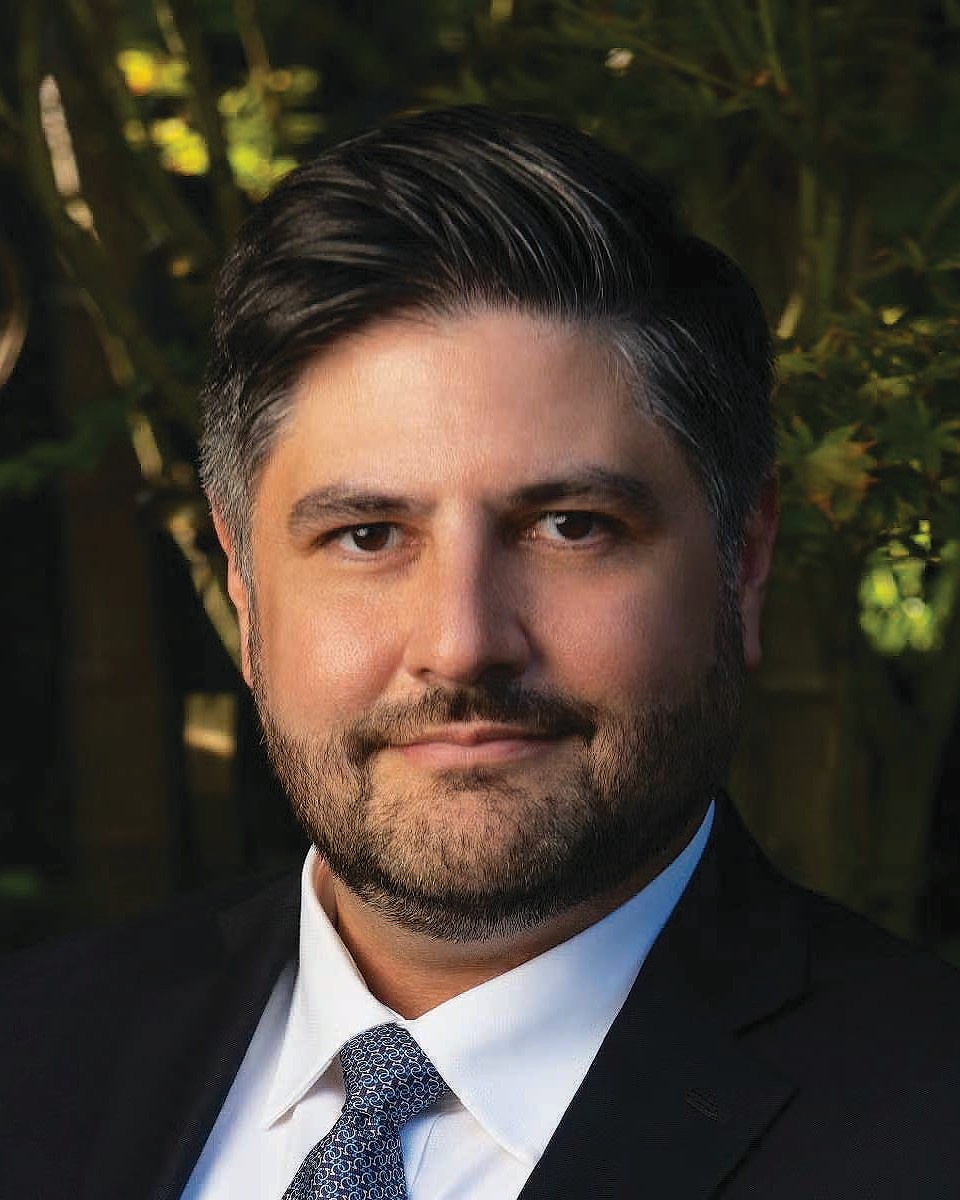
When Charles F. Adams took over a family law courtroom in Santa Clara County, he began by reminding litigants he was a stranger.
"I don't know your children, I don't know your family, I don't know what's going on outside of court. But the more you can tell me about your kids, the better conversation we can have. The more information you give me, the better decision I can make," he told the Daily Journal in 2019.
Now a justice of the 6th District Court of Appeal, Adams is seeking a 12-year term Nov. 3. Gov. Gavin Newsom nominated him in June, and he was confirmed Aug. 6.
Adams previously sat on the 6th District as a justice pro tem in 2023 and 2024.
Lawyers noticed how he ran his Superior Court hearings. San Jose family law attorney Nicole Ford said he read every file and had an answer before argument, but instead of issuing a traditional tentative ruling he would say, "Here's what I've read. Here's what I understand. Tell me something new."
Adams said he held back his view, particularly on child visitation, "until I hear from everyone," and would explain a ruling more than once if needed. "I don't like people to leave here not knowing what happened or what they need to do next," he said in 2019. The habit carries into his opinions.
In In re F.G. (2026), Adams upheld the termination of parental rights to a 21-month-old girl raised largely by her grandmother. He rejected the parents' argument that their bond with the child should prevent adoption, including the mother's objection to considering whether the child called her "mama."
Having found the parents had not shown the kind of attachment the exception requires, Adams went further than necessary to resolve the appeal. "We do so nevertheless," he wrote, concluding the juvenile court had not abused its discretion in finding that ending the relationship would not harm the child.
Adams upheld phone and social media search restrictions for a man convicted of stalking his child's mother. The People v. Castaneda (2026) record included 40 to 60 daily texts, sexual videos posted online and flowers accompanied by a threatening note. The restrictions were "directly related and closely tailored to the conduct underlying the offenses," he wrote.
Adams rejected a rape defendant's Miranda challenge to a police interview in People v. Merino (2026) because officers twice told him he could leave. Merino has petitioned the California Supreme Court for review.
Sitting pro tem, Adams wrote his only published opinion, Beverage v. Apple Inc. (2024), holding that Fortnite players could not revive a failed antitrust claim as an unfair business practice. He called the ruling "a narrow one," limited to conduct protected by the Colgate doctrine.
Appointed to the Santa Clara County Superior Court by Gov. Jerry Brown in 2018, Adams handled criminal, family, probate and civil cases. He supervised the family division and served on the appellate division.
After graduating from Pepperdine University School of Law, Adams practiced family law before becoming a Santa Clara County Superior Court research attorney in 2006. He later spent seven years clerking for U.S. District Judge Edward J. Davila.
Adams also managed the Santa Clara CARE Court calendar, which steers people with serious mental illness into court-supervised treatment.
The experience convinced him "a courtroom can be much more than a venue for adversarial proceedings. It can be a catalyst for profound change in a person's life," he wrote in an Oct. 19 commentary for CalMatters. He acknowledged the program's limits. "CARE Court is a work in progress, and it is not the right fit for everyone," he wrote.
Laurinda Keys
laurinda_keys@dailyjournal.com
For reprint rights or to order a copy of your photo:
Email
Jeremy_Ellis@dailyjournal.com
for prices.
Direct dial: 213-229-5424
Send a letter to the editor:
Email: letters@dailyjournal.com