


Oct. 29, 2026
Rodriguez's path to 4th District spans prosecution and rehabilitation courts
San Diego County Superior Court Judge Lisa R. Rodriguez, confirmed in August to the 4th District Court of Appeal, Division 1, would take her seat Jan. 4 if voters approve.


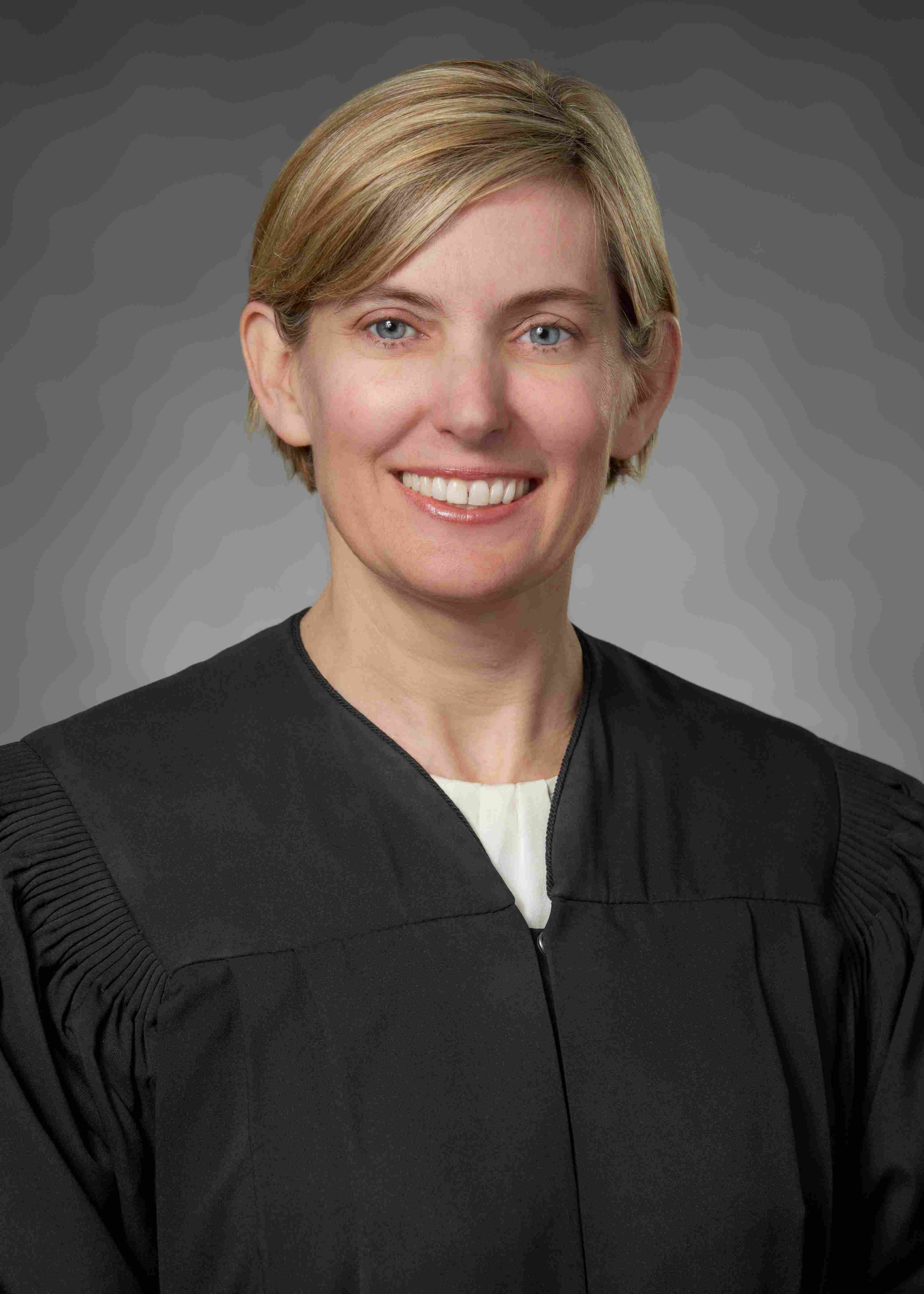
In her lone published appellate opinion, Judge Lisa R. Rodriguez rejected a blanket internet ban on a man convicted of possessing child pornography. On the trial bench, she twice took a narrow view of a 2022 resentencing law, once on a question that divided appellate courts until the state Supreme Court settled it.
A San Diego County Superior Court judge since 2015, Rodriguez is on the Nov. 3 ballot for a 12-year term on the 4th District Court of Appeal, Division 1. Confirmed in August, she would take the oath Jan. 4 if voters approve. As a pro tem at the 6th District Court of Appeal, she also wrote 13 unpublished opinions.
In People v. Bray (2025), the defendant pleaded no contest to possessing thousands of child pornography images and videos involving children as young as 5. Writing for a unanimous panel, Rodriguez agreed he could be kept out of chat rooms and off file-sharing platforms, but found a blanket internet ban overbroad because it would keep him from applying for jobs or sending email.
She also found overbroad a condition barring him from dating anyone with custody of a minor. "Would a 'date' only cover conduct such as going out to a restaurant or a movie, or would it also include meeting for coffee?" she wrote, and suggested changing the standard sex offender form that has brought "multiple appeals."
In an unpublished 2025 divorce opinion, Rodriguez upheld a domestic violence restraining order against a wife who had texted her husband suicide threats as they separated, some referring to dying with their children. Suicidal statements rooted in mental illness can still be abuse, she wrote for a unanimous panel: "The DVPA contains no such exception."
She noted that judges are expected to take an active role when litigants represent themselves, and flagged cases cited in the wife's briefs that did not exist. AI tools "can be a helpful resource for self-represented litigants," Rodriguez wrote. "But, AI tools can just as easily produce flawed arguments."
On the trial bench, Rodriguez was twice reversed under a 2022 law that invalidated most one-year enhancements for prior prison terms. In People v. Christianson (2023), she denied a full resentencing to a defendant whose prison-term enhancements had been imposed but stayed, concluding the law covered only defendants "currently serving an additional year in prison" because of such an enhancement. A unanimous 4th District, Division 1 panel disagreed. Another appellate division had read the law as she did, but the California Supreme Court adopted the broader reading in People v. Rhodius (2025).
In People v. Green (2024), she found a three-strikes defendant ineligible for resentencing under the law because his robbery prison term had run concurrently with one for a lewd act on a child, a sexually violent offense the law exempts. A unanimous panel reversed, holding that because prosecutors had alleged, and Green had admitted, a prison term only for the robbery, the enhancement was not "imposed for" a sexually violent offense.
In a vehicular murder case, the 4th District upheld her consecutive terms of 15 years to life for Christopher Schmittel, who at 19 drove more than 125 mph under the influence, killing two friends. "Two different 19-year-olds lost their lives," she said at sentencing.
A graduate of the University of San Diego School of Law, Rodriguez teaches its Evidence Advocacy Lab as an adjunct professor. Before taking the bench, she spent two years as a San Diego deputy city attorney and 17 years in the district attorney's office, where she became chief of its collaborative courts division.
Gov. Jerry Brown appointed her in 2015. Early on, she handled domestic violence, veterans court and mandatory supervision calendars. "This is exactly what the justice system is supposed to do: provide people with the resources, treatment and court intervention to help them rebuild their lives," she told the Daily Journal in 2016.
Laurinda Keys
laurinda_keys@dailyjournal.com
For reprint rights or to order a copy of your photo:
Email
Jeremy_Ellis@dailyjournal.com
for prices.
Direct dial: 213-229-5424
Send a letter to the editor:
Email: letters@dailyjournal.com