


Securities,
Government
Nov. 25, 2026
A pseudo pardon of Jensen Huang means investors will have to protect their assets
The federal government's alleged intervention in Nvidia's leadership underscores the limits of government oversight and the importance of private securities litigation in holding corporations and executives accountable for wrongdoing.



Darren J. Robbins
Partner
Robbins Geller Rudman & Dowd LLP
655 W Broadway Ste 1900
San Diego , CA 92101
Phone: (619) 231-7423
Email: darrenr@rgrdlaw.com
Robbins represented investors in securities litigation against Enron and recovered $7.2 billion, the largest recovery in U.S. history.
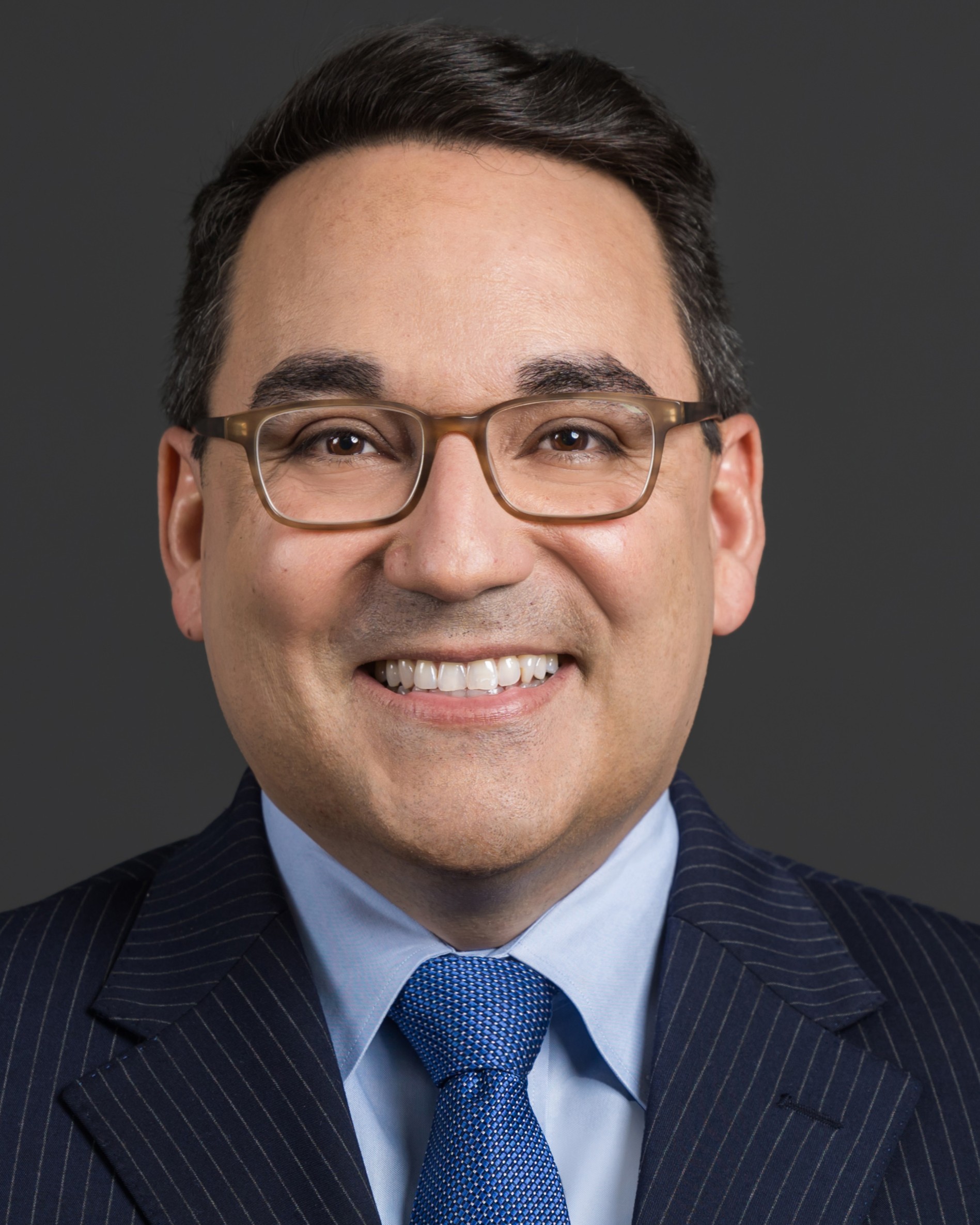
Michael A. Troncoso
Partner
Robbins Geller Rudman & Dowd LLP
Troncoso previously served as chief counsel to the California attorney general and was lead counsel in the state's investigations following the global financial crisis, which recovered more than $20 billion.
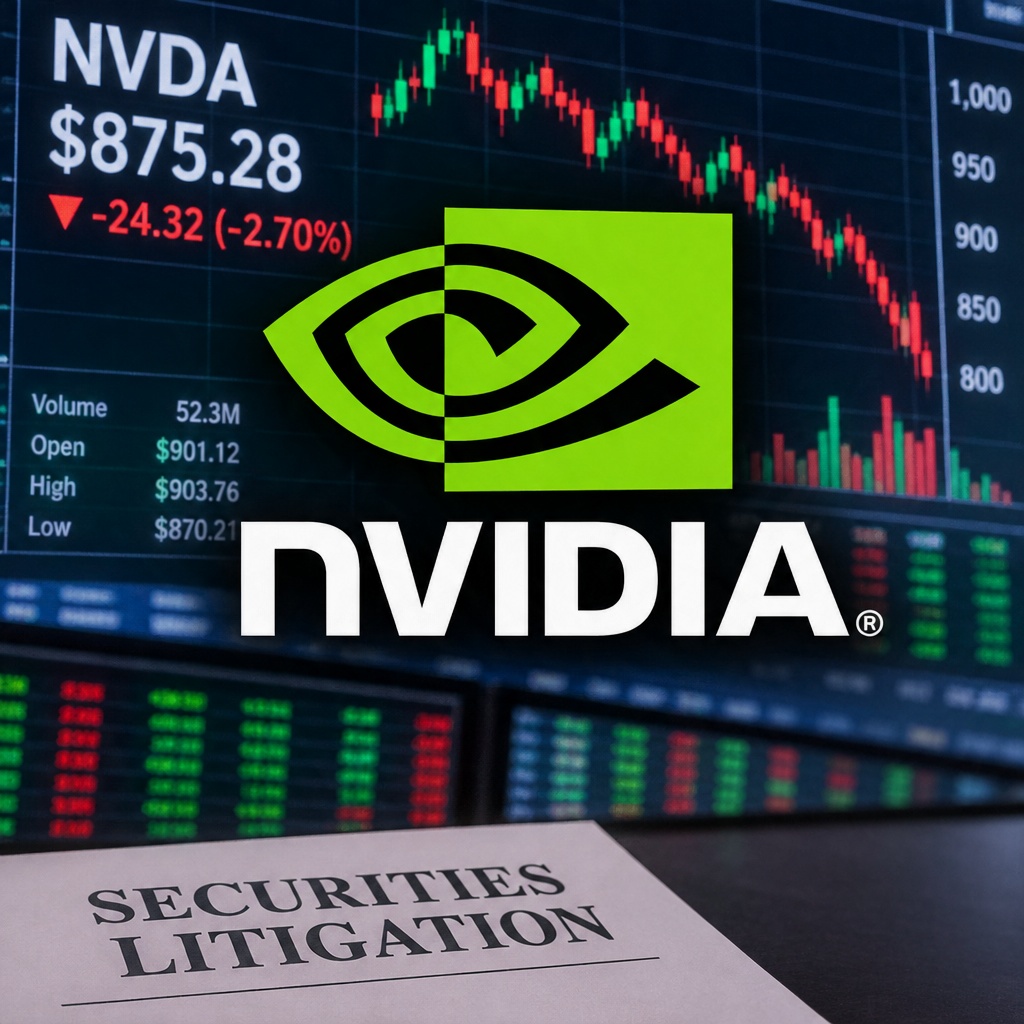
The financial world was gobsmacked this week when Nvidia's board restored Jensen Huang as CEO, citing "input from senior levels of the United States government" that "exonerated" Huang. NVIDIA's board was advised that the U.S. government had no evidence that Huang engaged in unlawful conduct, paving the way for his return that seemed impossible just days earlier.
While seemingly a stunning development, perhaps it shouldn't be surprising. The U.S. has a long history of quasi-nationalizing and immunizing critical companies like Nvidia. In the 1950s, General Motors was our national economic engine, and the mantra was "what's good for GM is good for America." After the Great Financial Crisis, the federal government responded to the orgy of risk-taking, fraud and corruption in the financial sector with a bailout of many entities like AIG, whose risk-taking behavior had precipitated the crisis. Yes, there were federal investigations, hearings and legislation. But the federal government held no senior executives accountable, and various companies considered too big to fail were rescued with taxpayer money rather than reformed.
The direct intervention of "senior levels of the United States government" at NVIDIA to return Huang as CEO merely inverts the order of operations. Usually, the amnesty and bailout follow the investigation. Here, Huang was issued a pseudo-pardon before any real government investigation could be conducted. The board will still do its own "internal investigation," but the conclusion seems preordained. We can expect a few lower-level wrongdoers to be performatively sacrificed, but likely not much more. Indeed, in the announcement of Huang's return, NVIDIA said it is searching for a new chief compliance officer.
The approach today is certainly more direct and ham-fisted, but the outcome isn't terribly different than what the federal government has done in response to past corporate frauds.
And this is precisely why the federal government has no monopoly on enforcement power. The federal government can be captured. Recent events only underscore the importance of investor power to act on their own to hold companies and individuals accountable for securities fraud.
When Under Armour stock melted down due to an accounting scandal, investors recovered 40 times of what the SEC did. When Enron imploded, investors took action and recovered $7.2 billion, 15 times the $450 million recovered by the SEC.
In an ultimate twist of irony, next week will mark 25 years since Nvidia replaced Enron in the S&P 500 Index. It brings to mind the adage: The more things change, the more they stay the same. Quasi-amnesty for Huang and Nvidia does not foreclose investors from holding wrongdoers accountable, and it looks like, for now, investors are the only game in town.
Submit your own column for publication to Diana Bosetti
For reprint rights or to order a copy of your photo:
Email
Jeremy_Ellis@dailyjournal.com
for prices.
Direct dial: 213-229-5424
Send a letter to the editor:
Email: letters@dailyjournal.com